
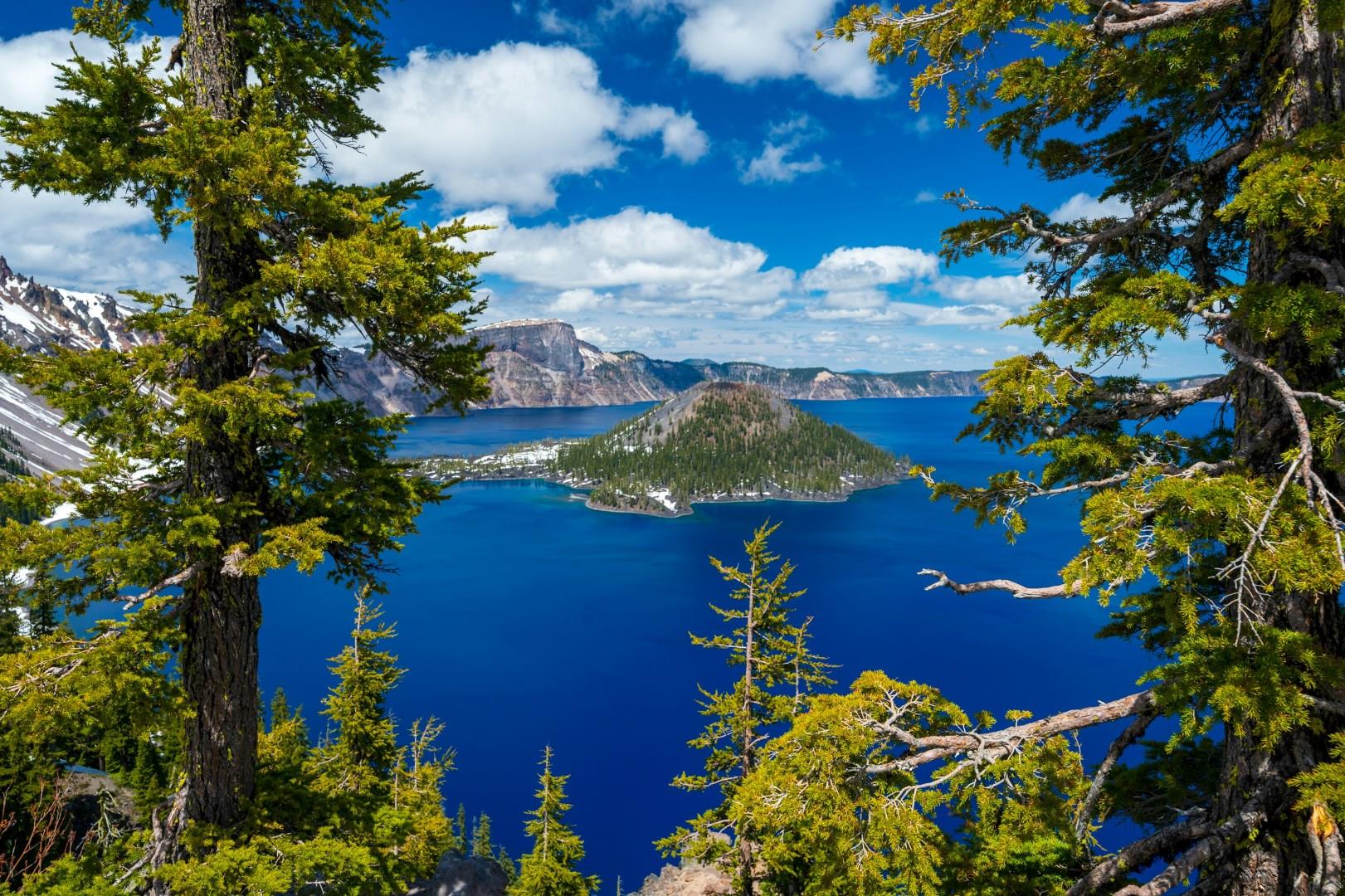
Crater Lake National Park
Crater Lake National Park, Oregon, offers a breathtaking display of natural beauty centered around the deepest lake in the United States. Formed by the collapse of a volcanic caldera, Crater Lake is renowned for its stunningly clear blue waters, which are the result of rain and snowfall filling the caldera. The lake's unique color and clarity are due to its depth and the purity of its water, making it a visual marvel that attracts visitors year-round.
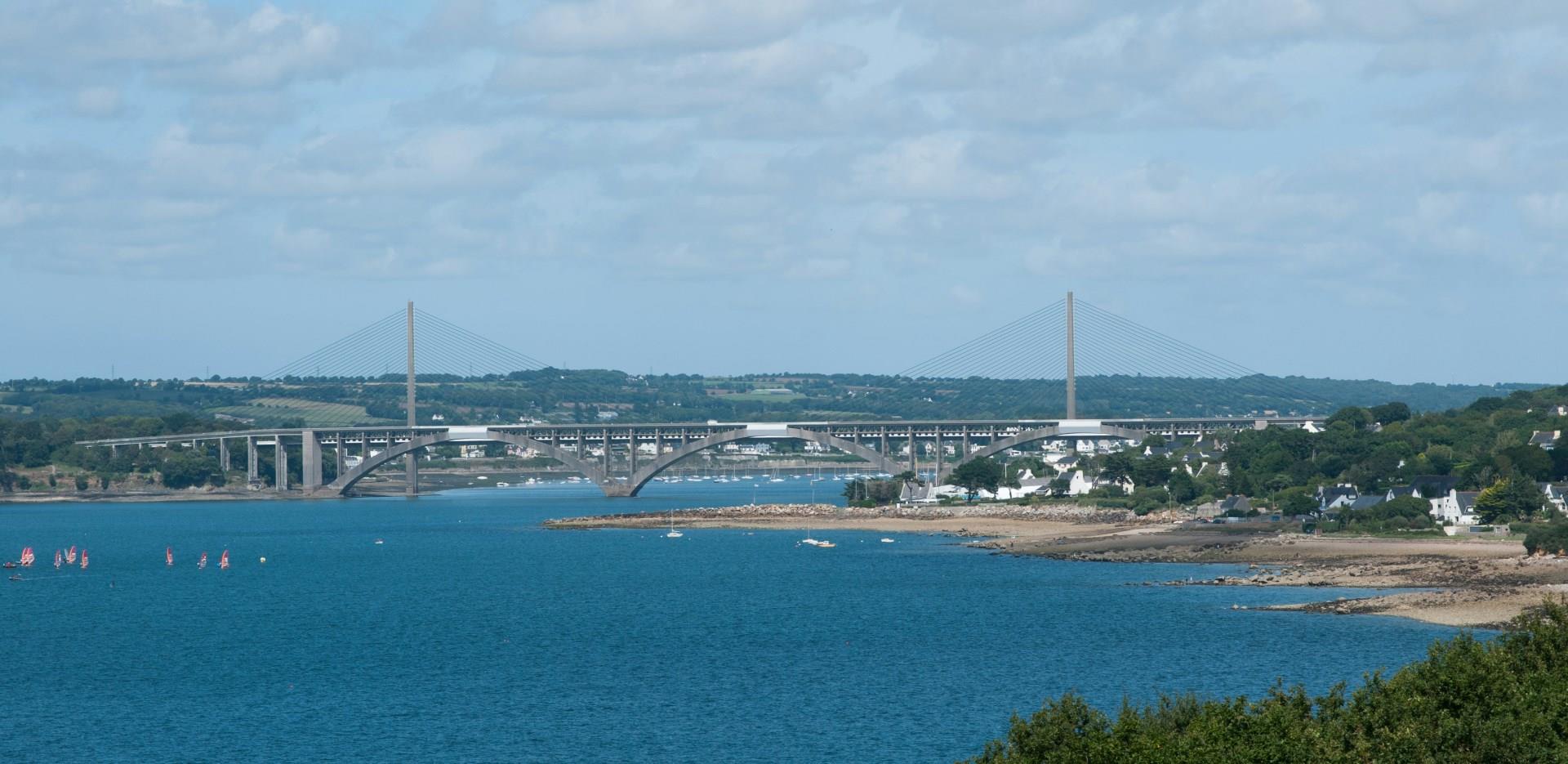
Brest
Brest sits at the western edge of Brittany, facing the Atlantic and shaped by its role as a strategic naval port. Much of the city was rebuilt after World War II, giving it a modern layout that contrasts with older Breton towns, yet its history remains closely tied to the sea.

Main River
The Main River winds through the heart of Germany, offering a scenic journey through picturesque towns, rolling vineyards, and historic cities.

Looe
Looe is a small seaside town on the south coast of Cornwall, England, divided by the River Looe into East and West Looe and connected by a graceful stone bridge. With origins as a medieval port, the town has long been shaped by fishing and seafaring, traditions that still define its identity today.
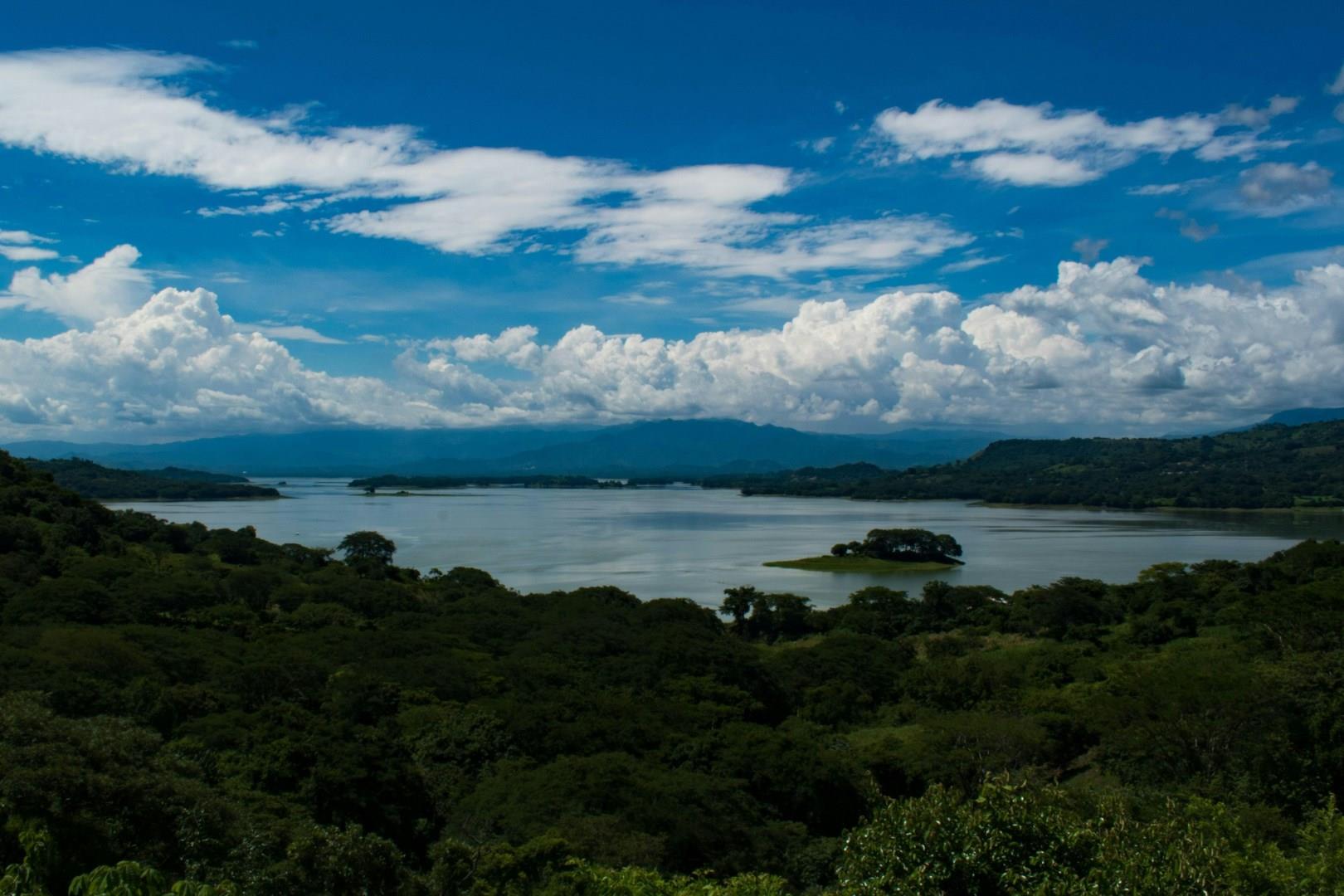
Suchitoto
Suchitoto, located in the Cuscatlán department of El Salvador, is a hilltop town known for its cobblestone streets and scenic views of Lake Suchitlán. Once an important center for indigo production, the town still celebrates its dye-making history through artisan workshops where visitors can learn to create textiles using natural indigo. The name “Suchitoto” comes from the Nahuatl language and means “place of flowers and birds,” a nod to the area’s diverse birdlife and surrounding vegetation.
