
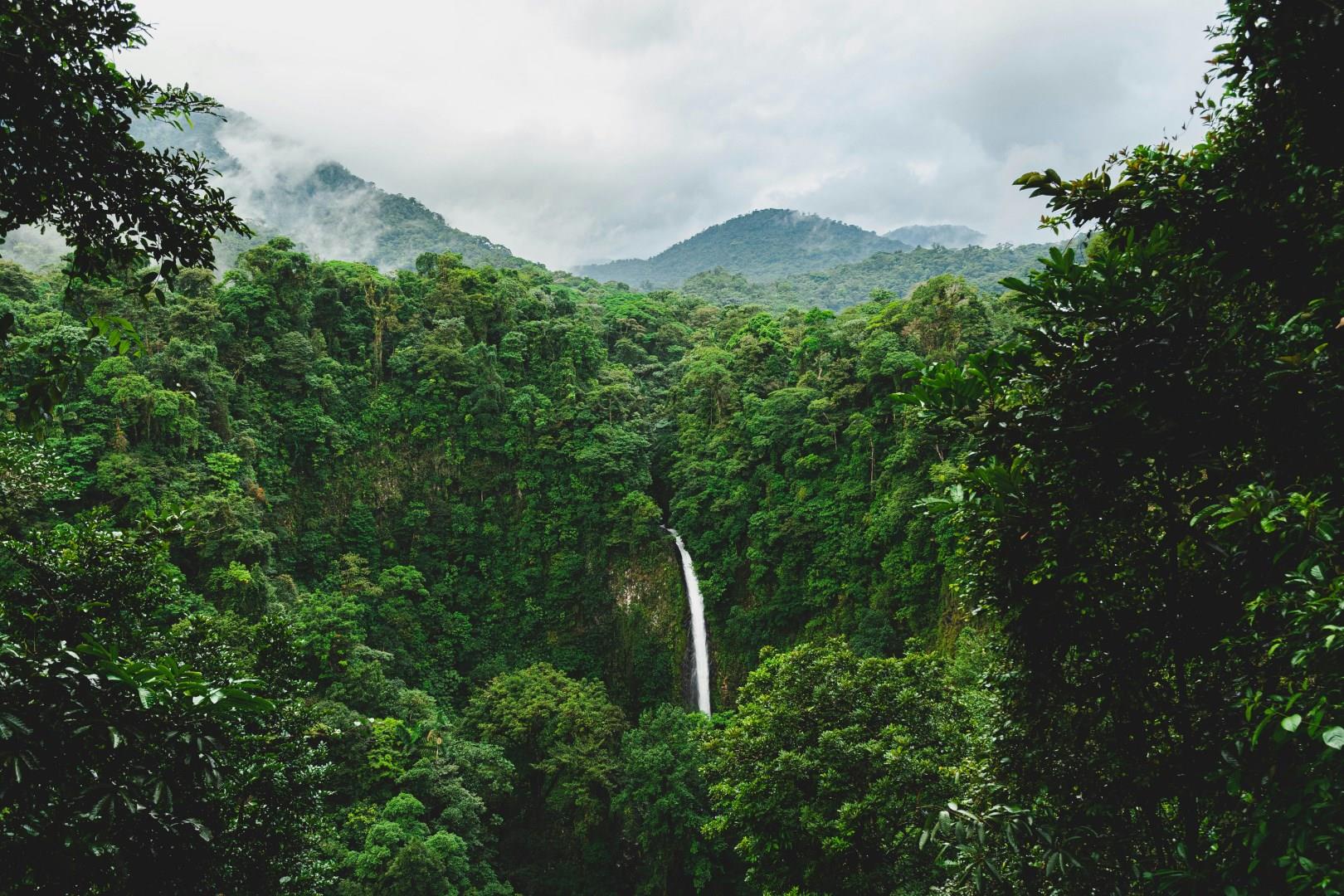
La Fortuna
La Fortuna, a small town in northern Costa Rica, sits in the shadow of the iconic Arenal Volcano, once the country’s most active and still one of its most visually striking. The town’s name, which means “The Fortune,” is no coincidence; it was spared when Arenal erupted unexpectedly in 1968, reshaping the landscape and eventually drawing visitors from around the world. Today, La Fortuna is known for its lush rainforest, geothermal activity, and stunning scenery that feels both wild and welcoming

Hilo, Hawaii
Hilo, the charming and laid-back gateway to Hawaii’s Big Island, offers an authentic Hawaiian experience steeped in natural beauty, history, and culture. As the largest town on the east side of the island, Hilo sits at the foot of two majestic volcanoes: Mauna Loa, the world's largest volcano, and Mauna Kea, a dormant volcano that hosts some of the world's most advanced astronomical observatories.

Costa Brava
The Costa Brava coastal region, in northeastern Spain, offers excellent beaches and a typical Mediterranean climate, making it an enticing holiday destination. While parts of the Costa Brava coastline have been exploited by large-scale tourist developments, other areas have retained their traditional roots.
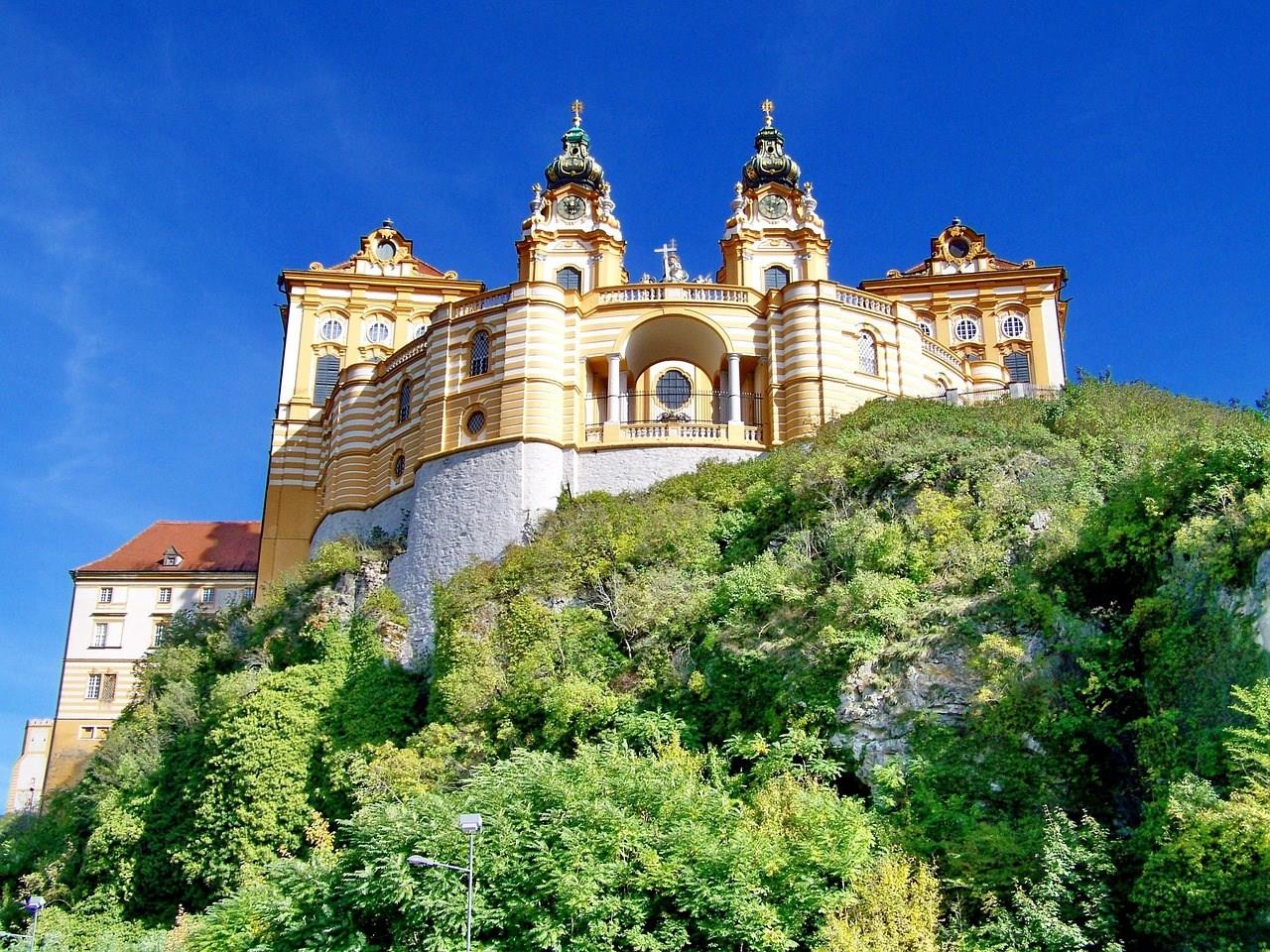
Wachau Valley
Austria’s Wachau Valley is a scenic stretch of the Danube River between Melk and Krems, known for its terraced vineyards, medieval towns, and a deep sense of history.

Antananarivo
Antananarivo, Madagascar’s vibrant capital, offers a unique blend of cultural richness and historical depth. Perched on a series of hills, the city’s layout is characterized by its steep streets and traditional architecture. The Royal Palace, or Rova of Antananarivo, is a central landmark, offering a glimpse into Madagascar's royal past. Although much of the palace was destroyed by fire in 1995, the site remains a significant cultural and historical monument.
