

Ranthambore National Park
Ranthambore, a gem of Rajasthan, India, is where wildlife and history intertwine seamlessly to create an unforgettable travel experience. Famous for the Ranthambore National Park, this destination is a haven for those seeking a close encounter with nature’s most magnificent creatures. The park, once the hunting grounds of the Maharajas of Jaipur, now stands as a vital sanctuary for Bengal tigers, leopards, sloth bears, and over 300 species of birds.

Machu Picchu
Machu Picchu is a story carved into stone, perched nearly 2,500 meters above sea level in the cloud forests of southern Peru. Built in the 15th century and later abandoned, this Inca citadel was unknown to the outside world until 1911, when explorer Hiram Bingham brought it to international attention. Today, it remains remarkably well-preserved, with more than 150 stone structures, terraced fields, ceremonial fountains, and temples aligned with astronomical events.

Las Vegas
Las Vegas, Nevada, is an electrifying city where glitz and glamour meet entertainment and excitement. Known as "The Entertainment Capital of the World," Las Vegas offers an unparalleled array of attractions, from its iconic casinos and luxurious hotels to its world-class dining and live shows. The city's entertainment scene is second to none, featuring legendary headliners, cutting-edge performances, and an array of themed attractions.
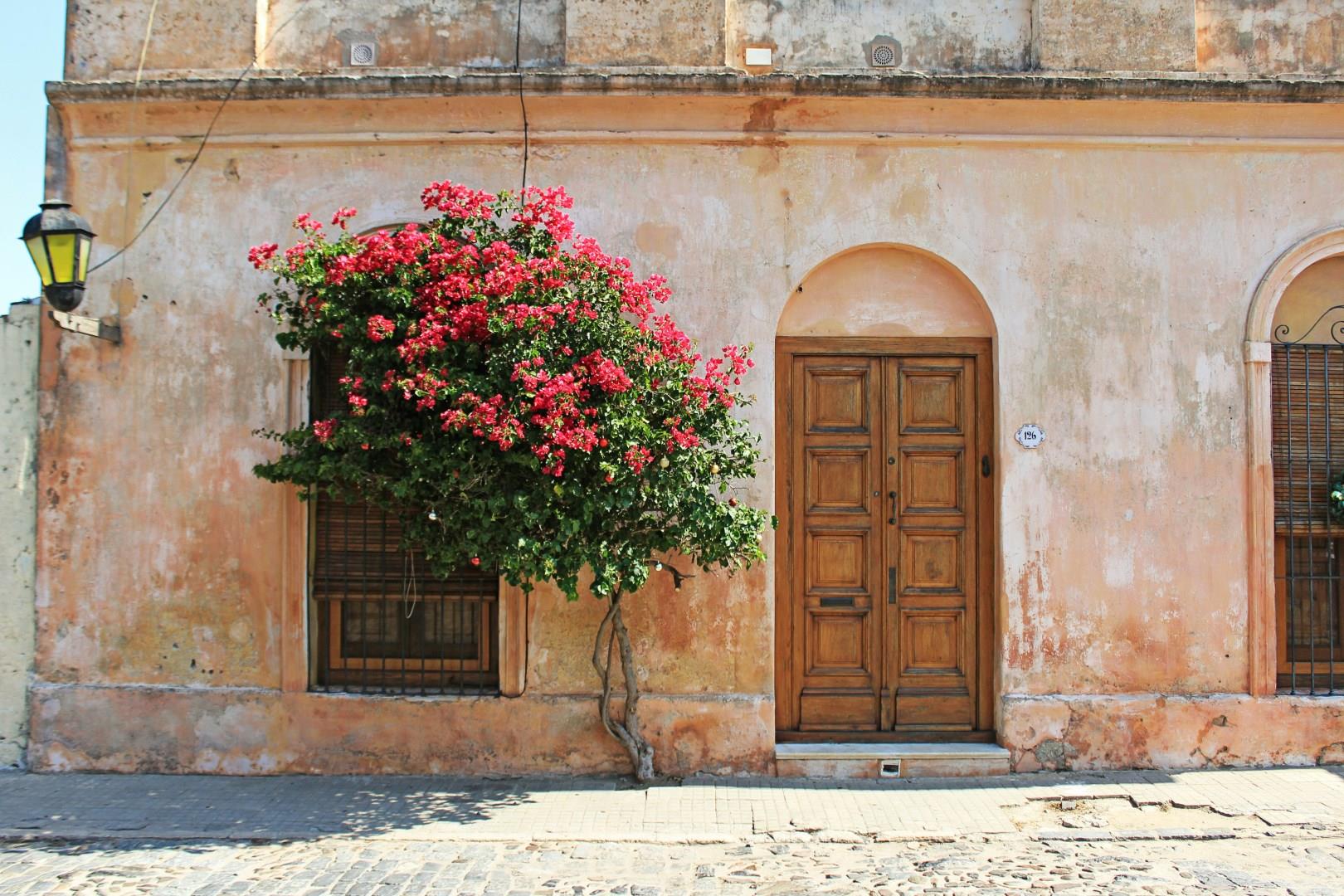
Colonia del Sacramento
Colonia del Sacramento is where time lingers. Founded in 1680 by the Portuguese and later contested by the Spanish, the town’s past is etched into its cobblestone streets and weathered facades. The Barrio Histórico, a UNESCO World Heritage Site, is compact enough to walk in an afternoon yet layered with centuries of stories. Visitors can explore remnants of the original city walls and climb the iconic lighthouse for sweeping views of the Río de la Plata.
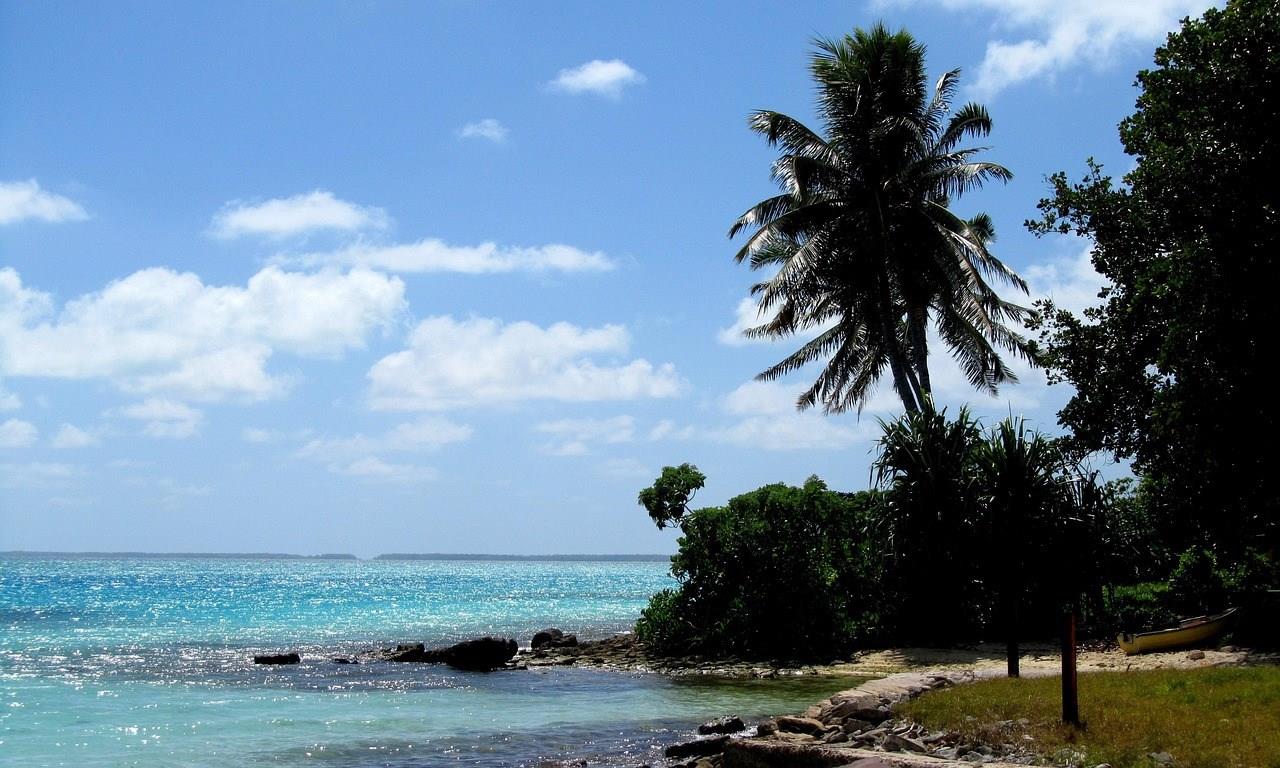
Fanning Island
Fanning Island, also known as Tabuaeran, is one of the Line Islands in the Republic of Kiribati. Sitting just four degrees north of the equator, this remote atoll is a rare find for travelers seeking raw, untouched Pacific beauty. With no large hotels or chain resorts, visitors often arrive by cruise or private yacht and are welcomed with coconut-leaf garlands and traditional songs.
