
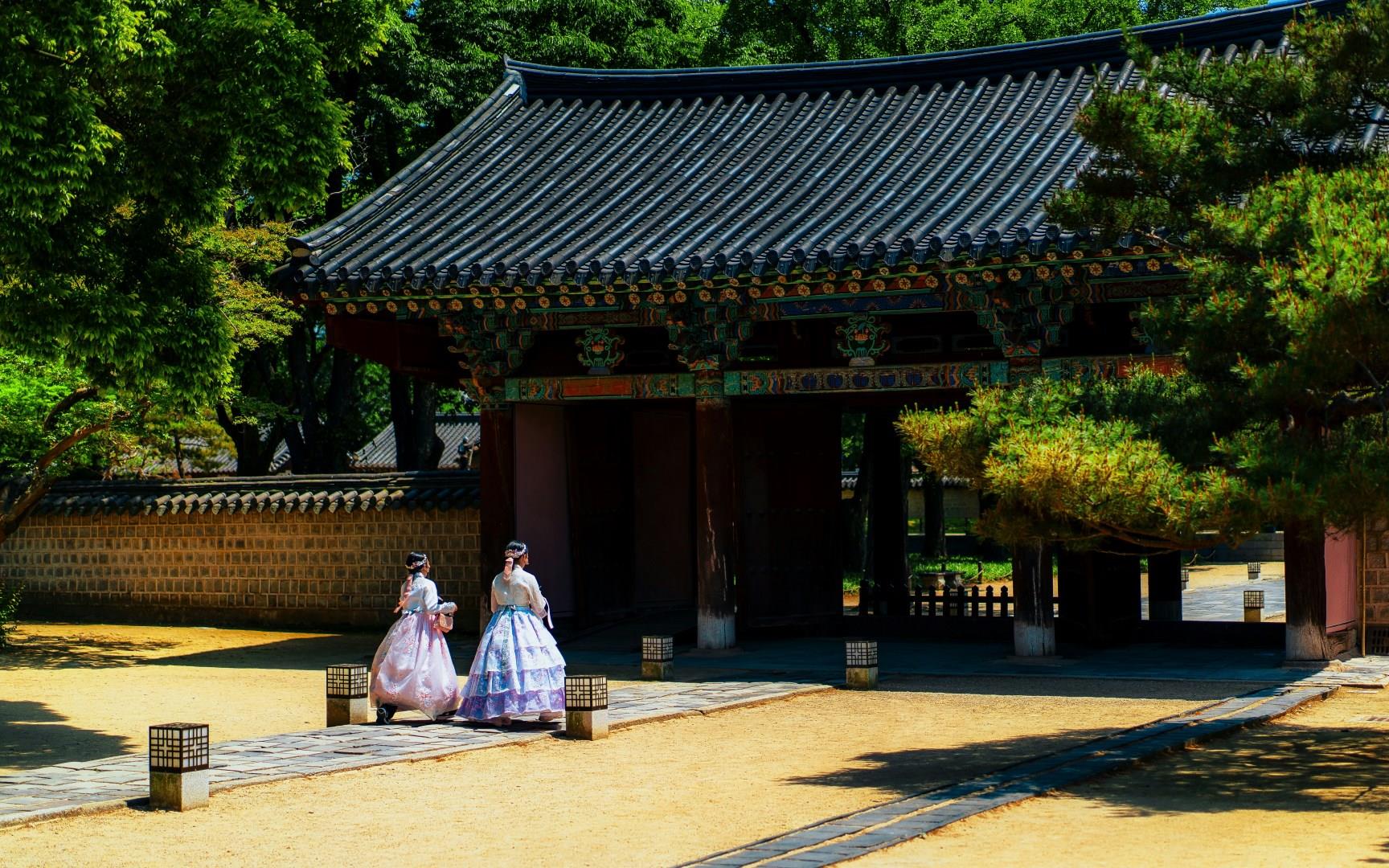
Jeonju-si
Jeonju-si, in South Korea’s North Jeolla Province, is widely associated with preservation rather than spectacle. The city’s identity is closely tied to its role as a former provincial capital during the Joseon Dynasty and as the birthplace of the royal Yi family.

York
York, England, is a city where over 2,000 years of history comes to life. Originally founded by the Romans in 71 AD as Eboracum, York has witnessed the rise and fall of empires, from the Vikings to the Normans. Today, the city retains its medieval charm, with its historic York Minster, one of the largest Gothic cathedrals in Northern Europe, standing proudly as its centerpiece.

South Georgia
Remote, windswept, and bursting with wildlife, South Georgia is a sub-Antarctic island that surprises nearly everyone who steps ashore. Though uninhabited by civilians, the island hosts a small British research station and welcomes visitors via expedition cruises. What draws people here is not luxury or convenience, but the scale of its wildness.

Grundarfjörður
Situated on the north coast of the Snæfellsnes peninsula between a mountain range and the sea is the small town of Grundarfjordur, Iceland. Though certainly now the most well-known town on the peninsula, its nearby mountain Kirkjufell ("church mountain" in Icelandic) is perhaps Iceland's most famous.
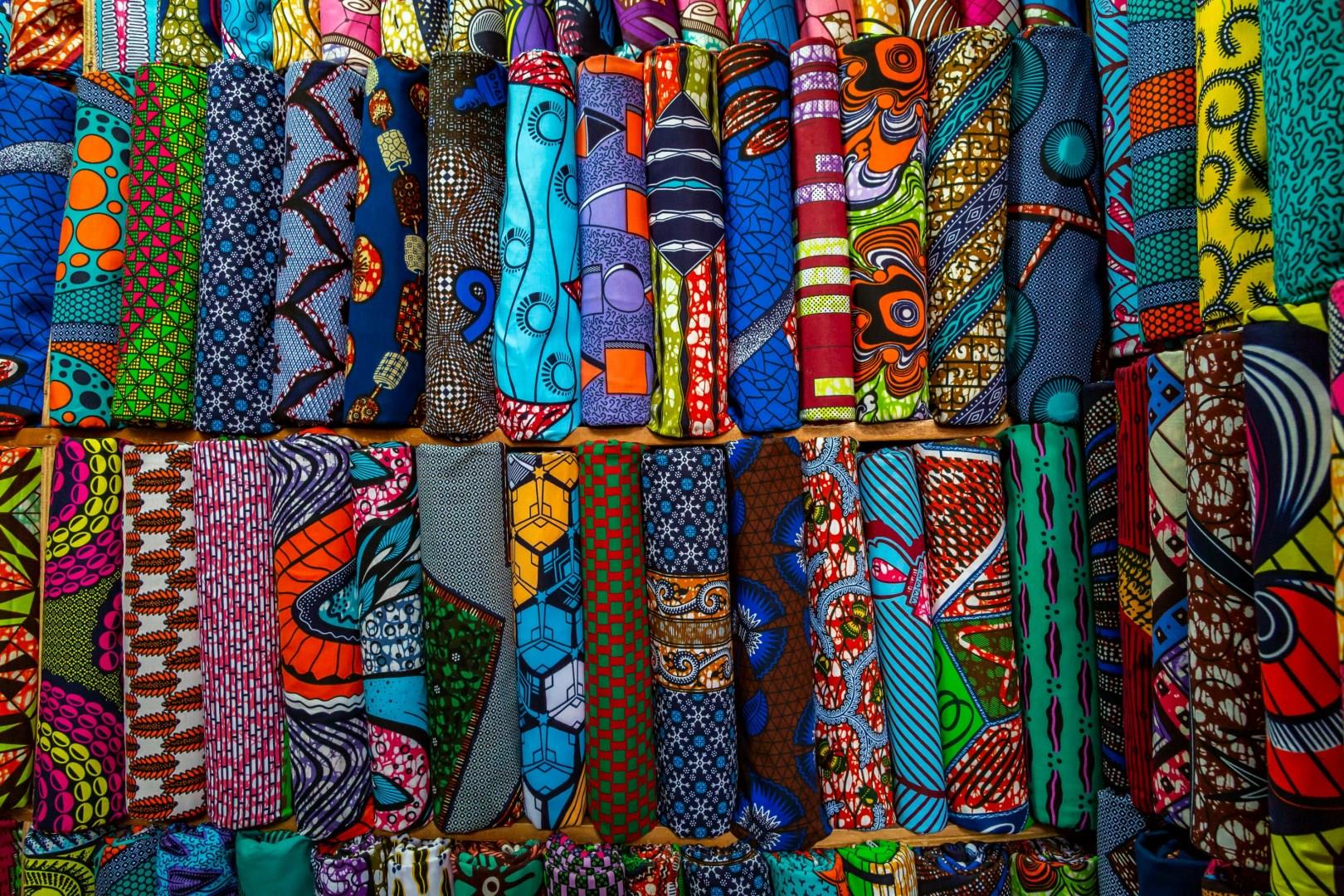
Abidjan
Abidjan, the largest city in Ivory Coast, is a vibrant coastal hub known for its striking skyline, lively markets, and cultural energy. Situated along the Ébrié Lagoon, it serves as the country’s economic and commercial center, blending modern urban life with West African traditions. Nicknamed the “Paris of West Africa,” Abidjan offers a dynamic mix of business districts, beachside neighborhoods, and green spaces that reflect its diverse character.
