
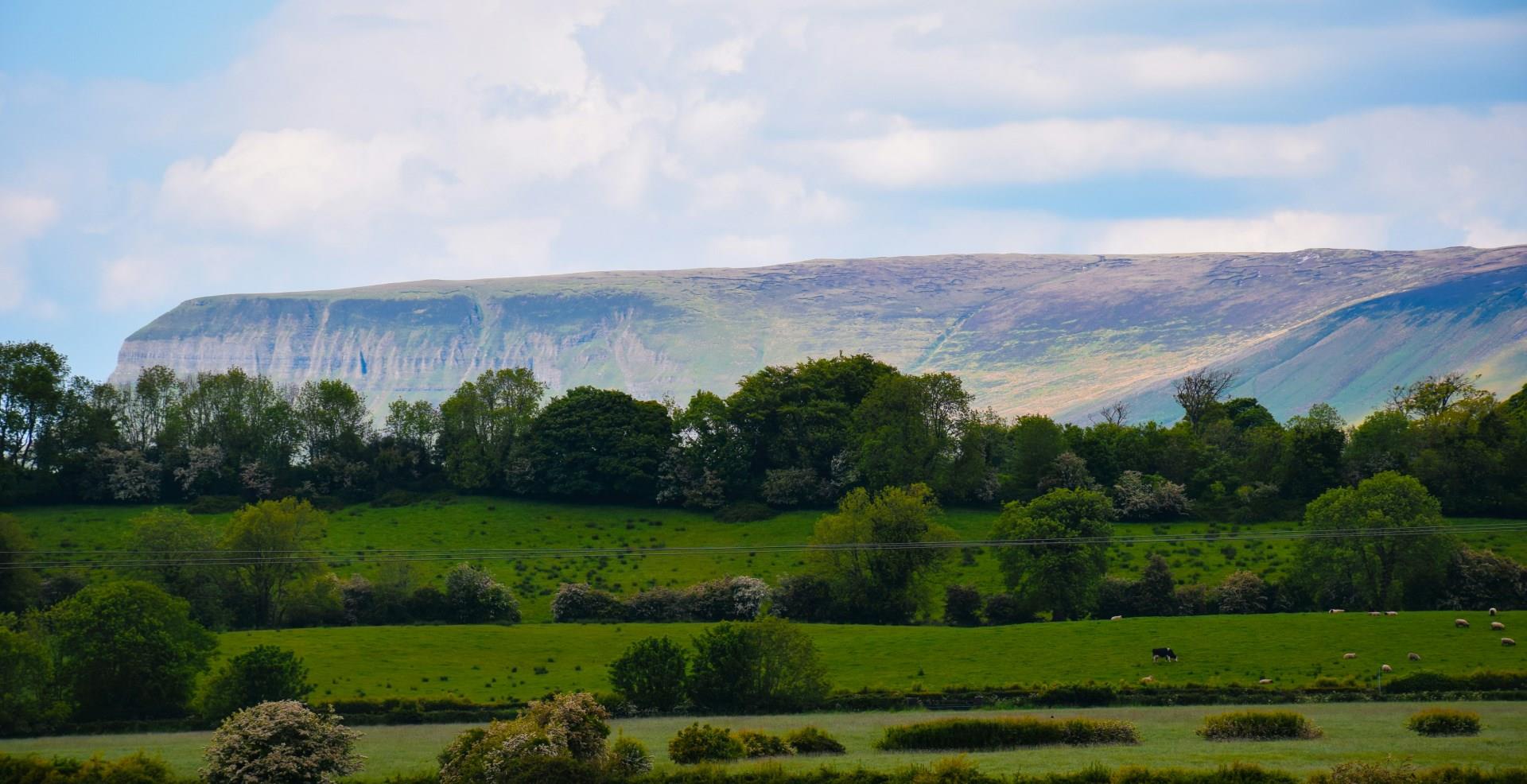
Sligo
Sligo, a coastal town in the northwest of Ireland, is known for its rugged landscapes, literary heritage, and vibrant cultural scene.

Grožnjan
Nestled in the heart of Istria, the charming town of Grožnjan offers an enchanting escape into a world where history and art seamlessly blend. Often referred to as the "City of Artists," Grožnjan is renowned for its vibrant cultural scene and picturesque medieval architecture. As you wander through its narrow, cobbled streets, you'll encounter well-preserved stone houses, quaint squares, and an array of art galleries and studios showcasing the work of local artists.

Malé
Located southwest of India and Sri Lanka, this small yet dense island capital is the cultural center of the Maldives.

Antarctica
No place on Earth quite compares to Antarctica, this stunning and vast continent is cold and windy, containing 90% of the ice in the world. Those who brave a visit here are rewarded with beautiful glaciers that must be seen to be believed, and a vast array of wildlife such as whales, penguins, Arctic foxes and seals.

Mahon
Mahón, the capital of Menorca, one of the Balearic Islands in Spain, is a charming and historic city that offers a blend of Mediterranean beauty, rich culture, and vibrant history. Located on the eastern coast of the island, Mahón boasts a picturesque harbor, which is one of the largest natural harbors in the world.
