
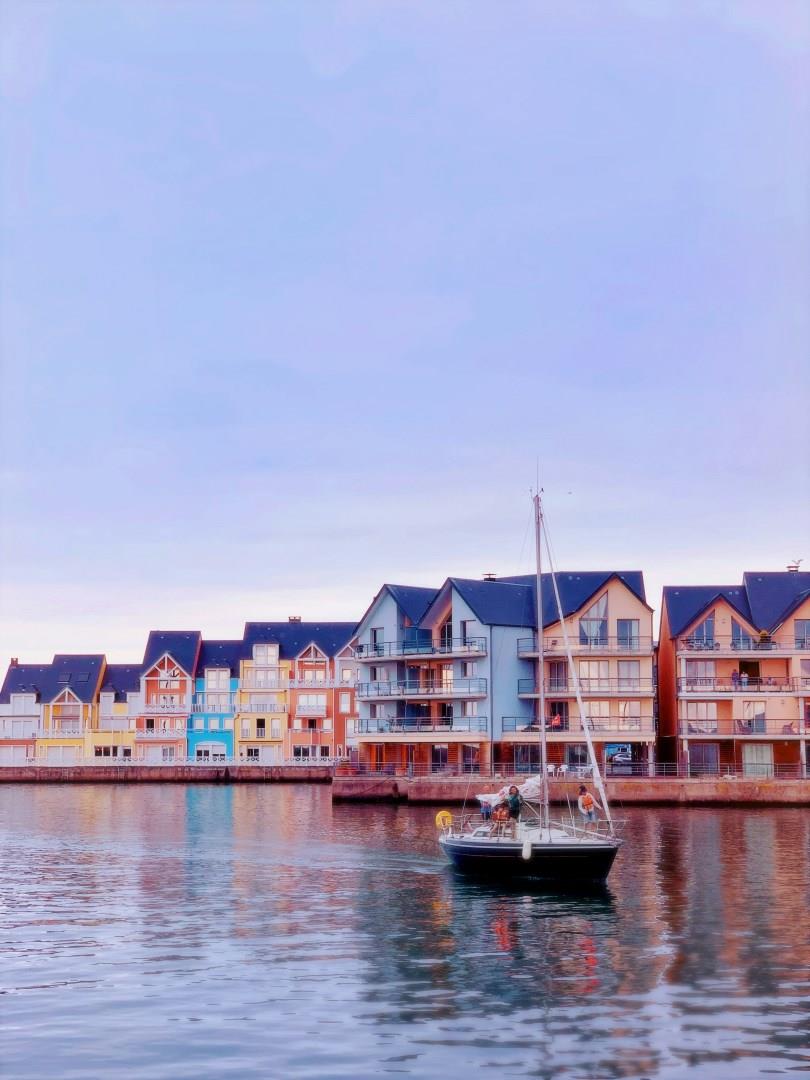
Deauville
Deauville sits on the Normandy coast of northern France and has long been associated with seaside leisure, elegance, and cultural life. Developed in the mid-19th century as a resort for Parisian society, the town quickly became a place where architecture, fashion, and social rituals shaped its identity.

Las Palmas
Las Palmas (officially Las Palmas de Gran Canaria) is the capital of Gran Canaria island as well as co-capital (along with Santa Cruz de Tenerife) of the Canary Islands. It is a major cruise-ship port known for duty-free shopping and sandy beaches, including Playa de Las Canteras, considered by many to be one of the best urban beaches worldwide.

Bardolino
Nestled along the southeastern shores of Lake Garda, Bardolino offers a quintessential Italian experience filled with charm, history, and natural beauty. Known for its rolling vineyards and olive groves, Bardolino is the heart of one of Italy’s most celebrated wine regions. Here, you can stroll through narrow, cobbled streets lined with pastel-colored buildings, visit cozy enotecas to sample the renowned Bardolino DOC wines, or enjoy a lakeside meal in a trattoria.

Greenock
Greenock, located on Scotland’s scenic west coast, is a town steeped in maritime and industrial history, with its historic waterfront and Victorian architecture offering a glimpse into its prosperous past. Once a shipbuilding powerhouse, the town’s legacy is visible in landmarks like James Watt Dock and the Old West Kirk, while the nearby Greenock Cut offers a peaceful escape for walking and cycling, framed by stunning views of rolling hills and the River Clyde.
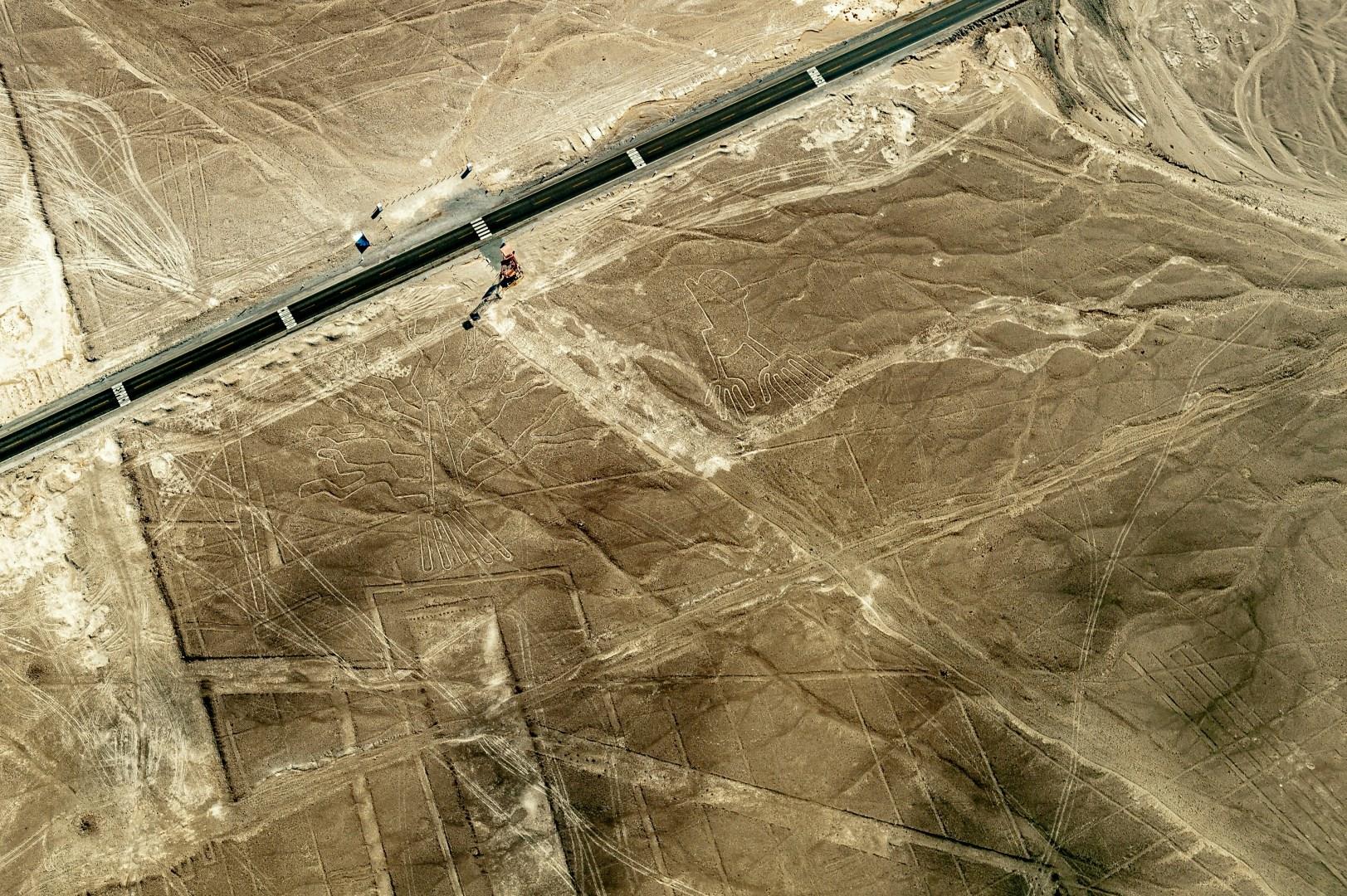
Nazca
In the southern deserts of Peru, Nazca invites visitors to look beyond the horizon. This small city is world-famous for the mysterious Nazca Lines, enormous geoglyphs etched into the desert floor more than 1,500 years ago. From the air, shapes like hummingbirds, monkeys, and even a stylized astronaut come into view, some stretching over 300 meters. Their exact purpose remains a mystery, fueling decades of theories.
