

Aldabra
Aldabra Atoll, a UNESCO World Heritage Site located in the Seychelles, offers a pristine and unparalleled escape into nature's untouched beauty. The atoll, the second-largest in the world, is renowned for its remarkable biodiversity and is home to the Aldabra giant tortoise, a species found nowhere else on Earth. This enormous tortoise population is one of the key attractions for visitors, providing a rare opportunity to observe these majestic creatures in their natural habitat.

Uluru
Located in Australia's Northern Territory, Uluru is an iconic sandstone formation and UNESCO World Heritage site. This red rock monolith, believed to be over 500 million years old, has been considered sacred by Australia's indigenous peoples for thousands of years and is one of the country's most well-known natural landmarks. This spiritual destination will astound you at sunrise and sunset, when the warm sunlight turns Uluru to deep hues of red and orange.
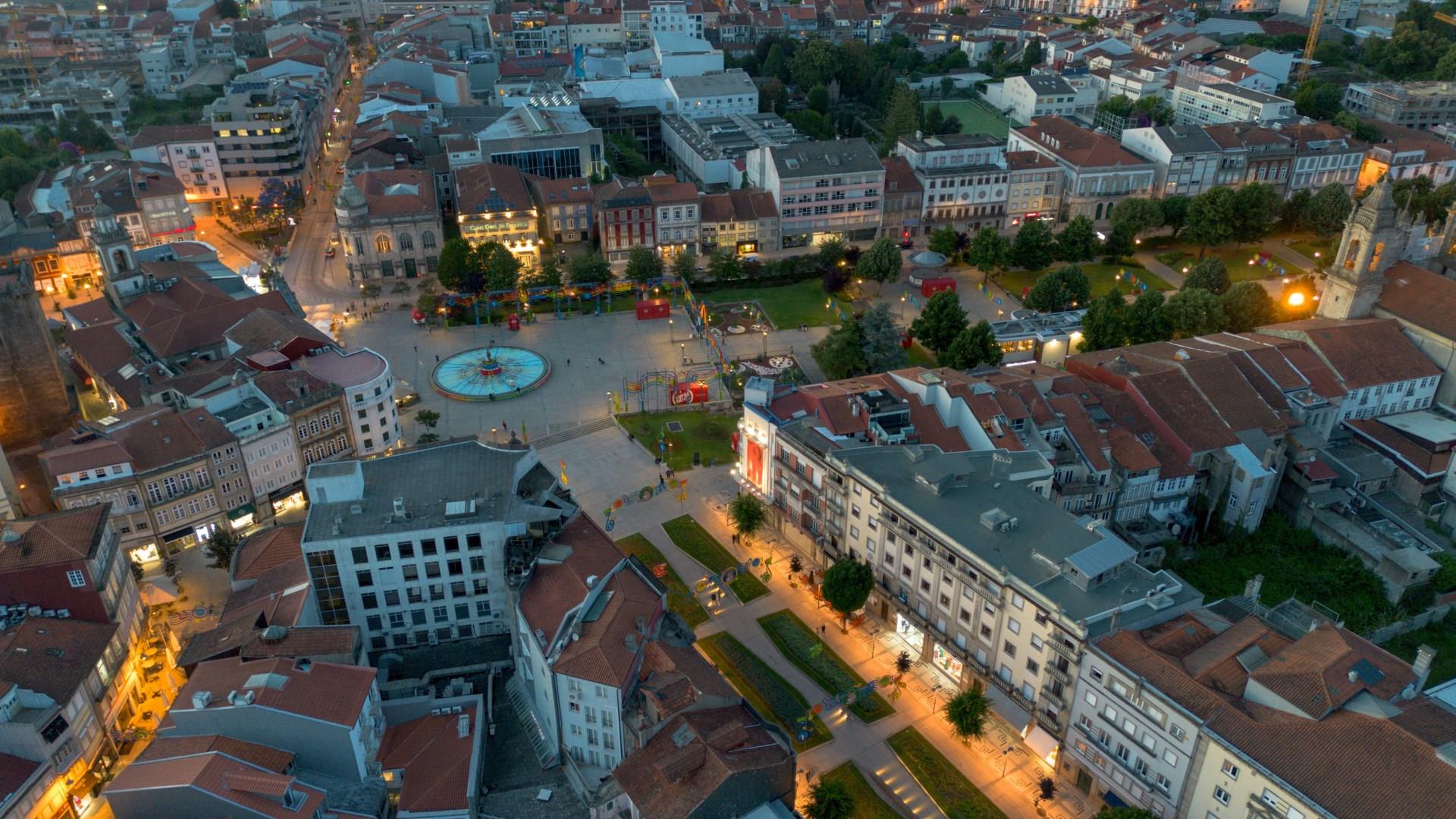
Braga
Braga, one of Portugal’s oldest and most vibrant cities, blends deep religious heritage with a youthful, energetic spirit. Founded over two millennia ago by the Romans as Bracara Augusta, the city has long been a center of faith and culture, earning it the nickname “the Rome of Portugal.”
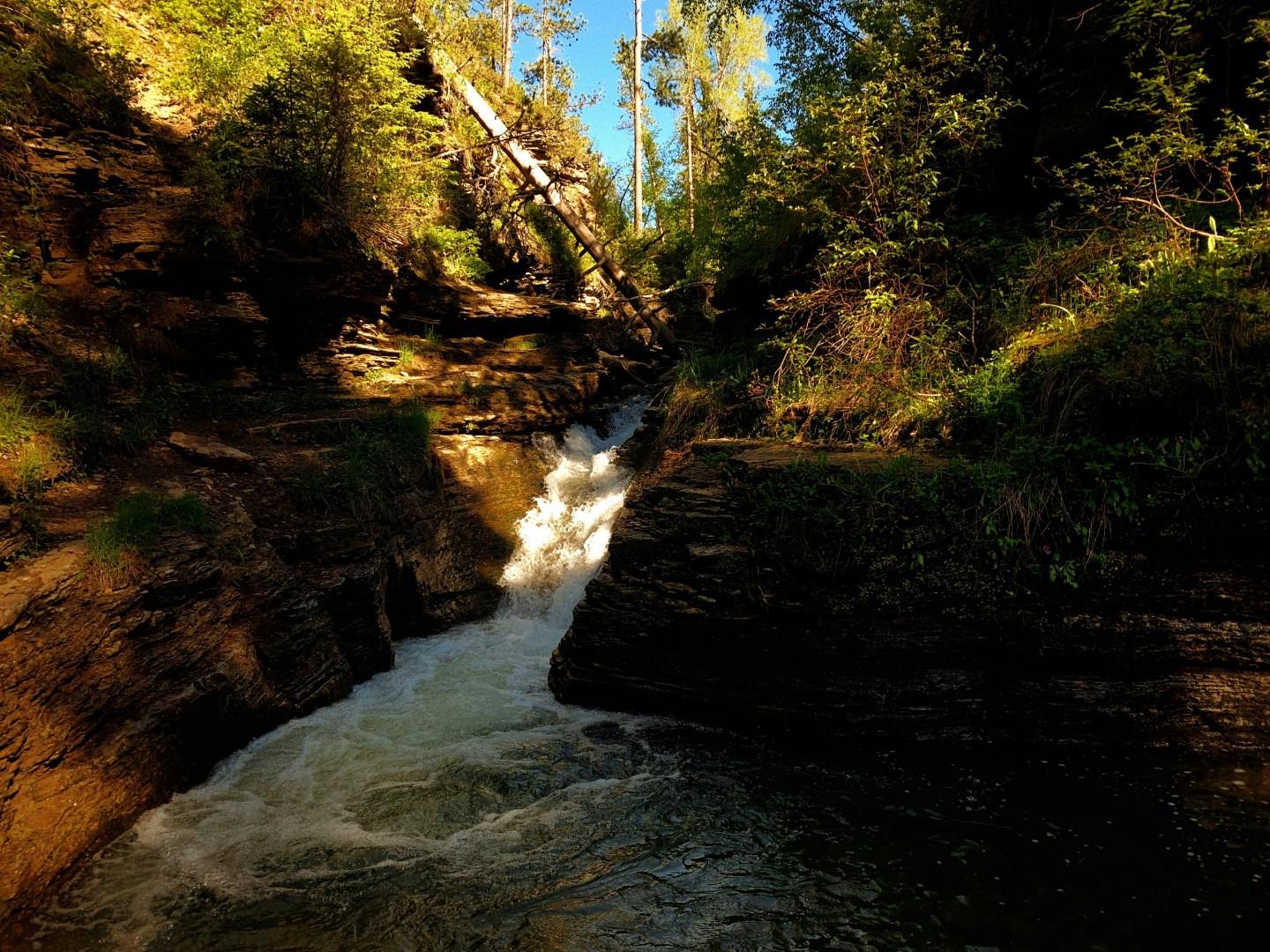
Lead
Lead’s Main Street reflects its long history with places that invite people to explore local life beyond mining. The Black Hills Mining Museum offers displays of mining tools, machinery and a simulated underground mine experience that brings to life how miners worked the Black Hills over generations. Along the same street, galleries, cafés and historic buildings make for pleasant stops between deeper dives into the past.
Kanchanaburi
Kanchanaburi, a province in western Thailand, is best known for its poignant history and lush landscapes. It was here that Allied prisoners of war and Asian laborers were forced to build the infamous Death Railway during World War II, including the Bridge over the River Kwai, which remains a powerful symbol of resilience.
