
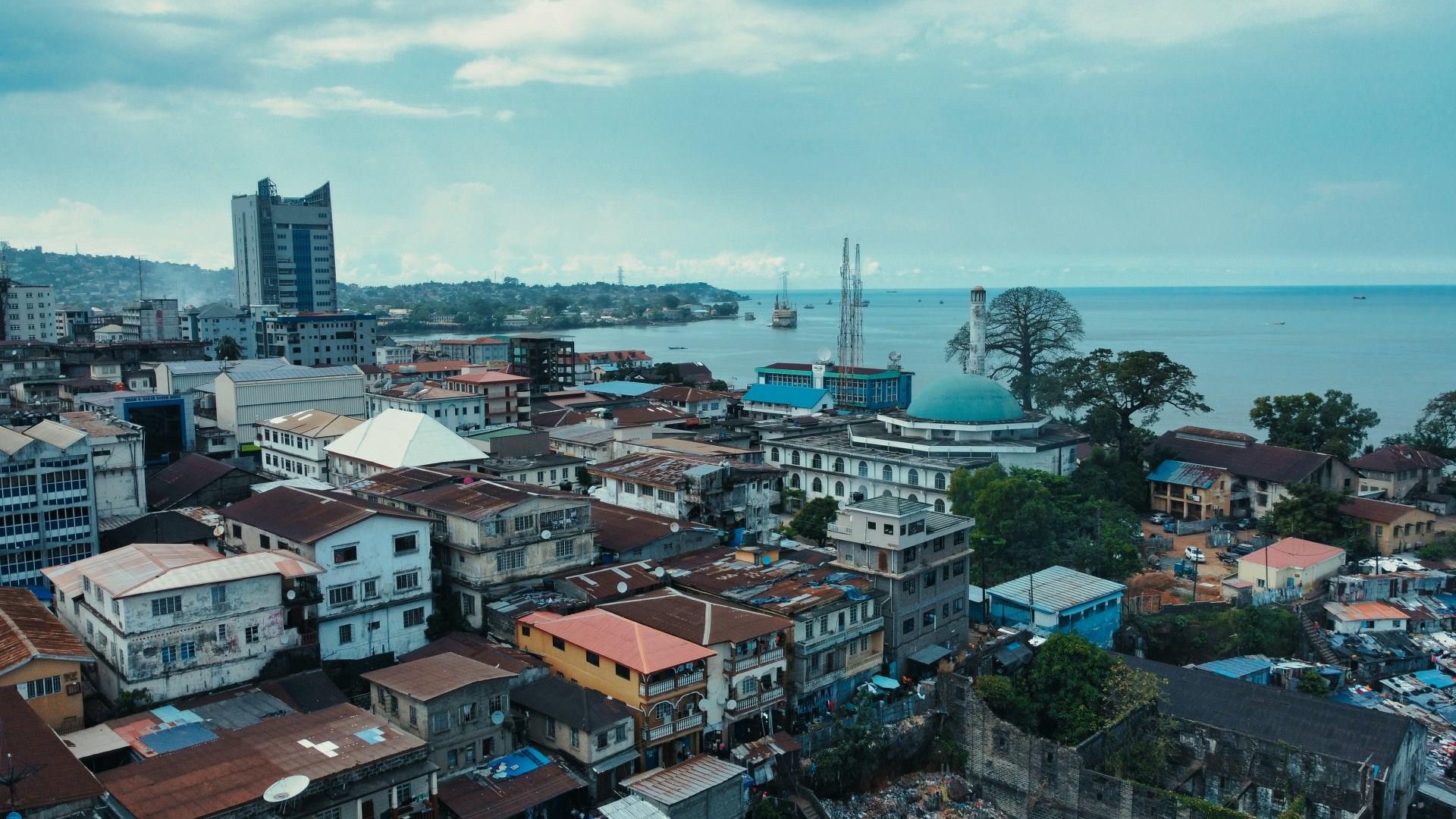
Sierra Leone
Sierra Leone, on the coast of West Africa, is a country of striking contrasts, where white-sand beaches meet green mountains and vibrant cities. Its Atlantic shoreline stretches for miles, offering quiet escapes as well as lively coastal communities.
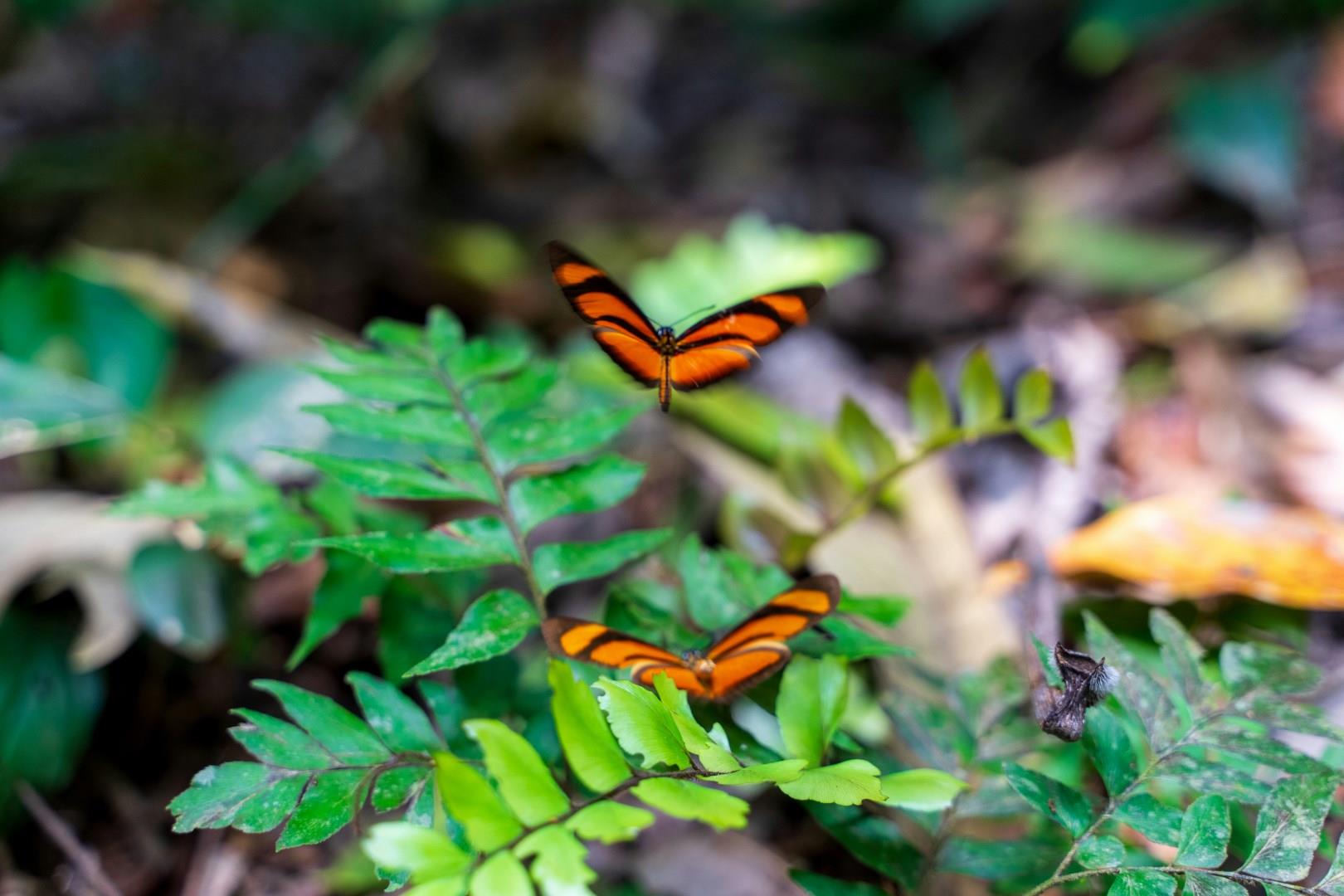
Tambopata
Located in the Madre de Dios region of southeastern Peru, Tambopata is a protected area where visitors can experience the Amazon rainforest in its rawest form. The Tambopata National Reserve spans over 270,000 hectares and is home to an estimated 1,200 butterfly species, 600 bird species, and hundreds of tree varieties. One of its most famous residents is the jaguar, though sightings are rare. More common encounters include red howler monkeys, capybaras, and giant river otters.

Antananarivo
Antananarivo, Madagascar’s vibrant capital, offers a unique blend of cultural richness and historical depth. Perched on a series of hills, the city’s layout is characterized by its steep streets and traditional architecture. The Royal Palace, or Rova of Antananarivo, is a central landmark, offering a glimpse into Madagascar's royal past. Although much of the palace was destroyed by fire in 1995, the site remains a significant cultural and historical monument.

Canary Islands
The Canary Islands, a Spanish archipelago off the northwest coast of Africa, offer far more than just sunshine and beaches. Made up of eight main islands, each with its own personality, the Canaries are a place where lunar landscapes, cloud forests, volcanic peaks, and historic towns coexist within short travel distances. On Tenerife, Mount Teide looms over a landscape of solidified lava and craters that look like a science fiction set.

Strasbourg
This vibrant and picturesque city sits near the German border and is the 2nd most popular tourist city in France. Its historic city center is classified a World Heritage Site by UNESCO, and the Stasbourg Cathedral is one of the finest examples of Rayonnant Gothic architecture.
