
Kanchanaburi
Kanchanaburi, a province in western Thailand, is best known for its poignant history and lush landscapes. It was here that Allied prisoners of war and Asian laborers were forced to build the infamous Death Railway during World War II, including the Bridge over the River Kwai, which remains a powerful symbol of resilience.

Walvis Bay
Walvis Bay, set along Namibia’s Atlantic coast, is a vibrant port town where desert and ocean converge in striking contrast. Once under German and later South African administration, the bay has long been valued for its deep natural harbor, which remains central to Namibia’s fishing and shipping industries today.

Dorset
Dorset, a picturesque county on England’s southern coast, is a haven for history lovers, nature enthusiasts, and seaside wanderers alike. Known for its rolling hills, sandy beaches, and charming towns, Dorset offers a perfect blend of scenic beauty and cultural heritage. The county is home to part of the Jurassic Coast, a UNESCO World Heritage Site renowned for its dramatic cliffs and fossil-rich beaches.

Dover
The historic city of Dover, nestled on the southern coast of England, is a captivating destination known for its iconic White Cliffs and strategic maritime heritage. Overlooking the Strait of Dover, these towering chalk cliffs offer breathtaking views across to France and serve as a symbol of Britain's resilience.
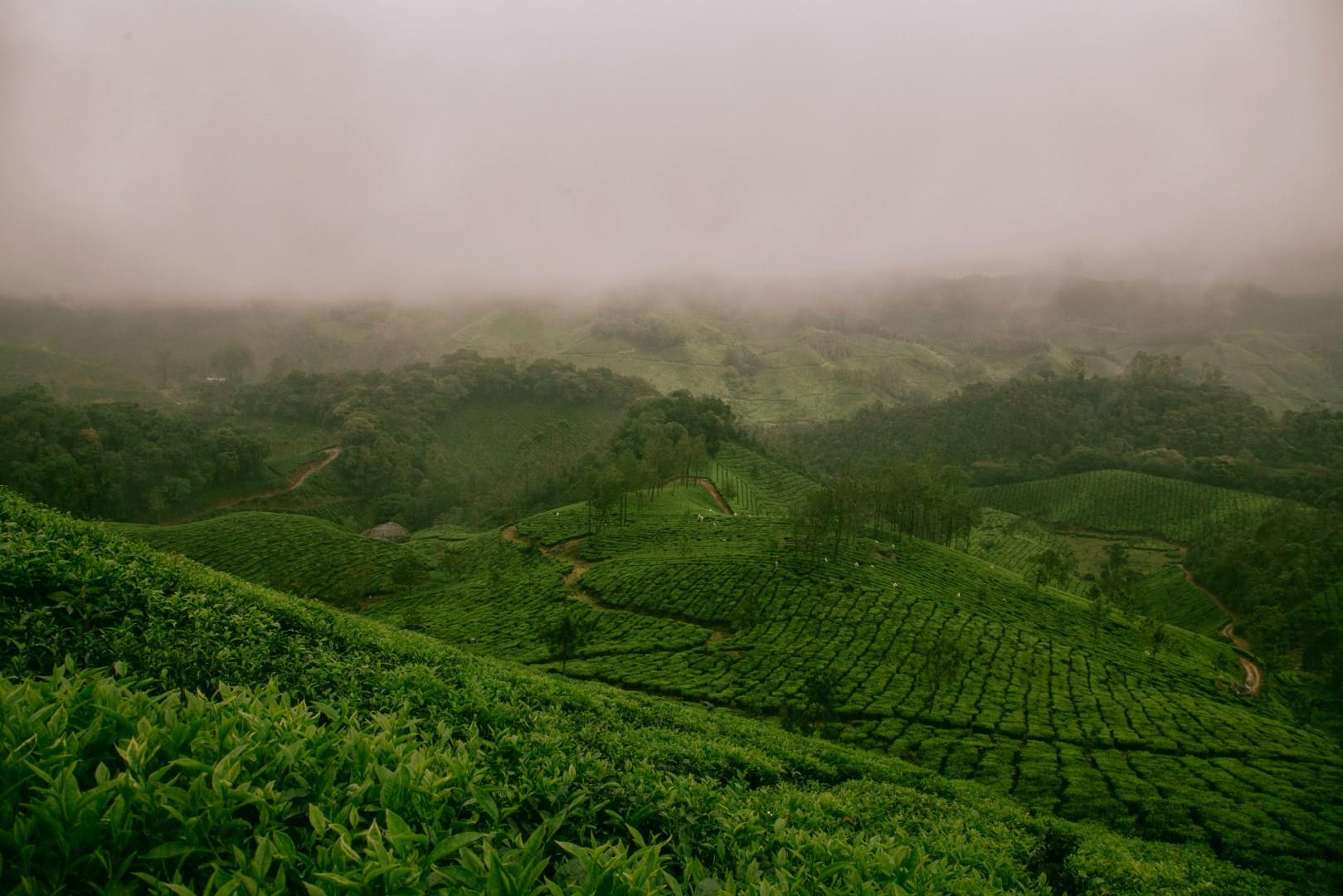
Munnar
Munnar, located in the Western Ghats of Kerala, India, sits at around 1,600 meters above sea level and was once the summer resort of British colonial officers. Today, it’s known for its vast tea plantations, many of which date back to the 19th century. Visitors can walk through estates like Kolukkumalai, the highest tea plantation in the world, where traditional methods are still used to process leaves by hand.
