
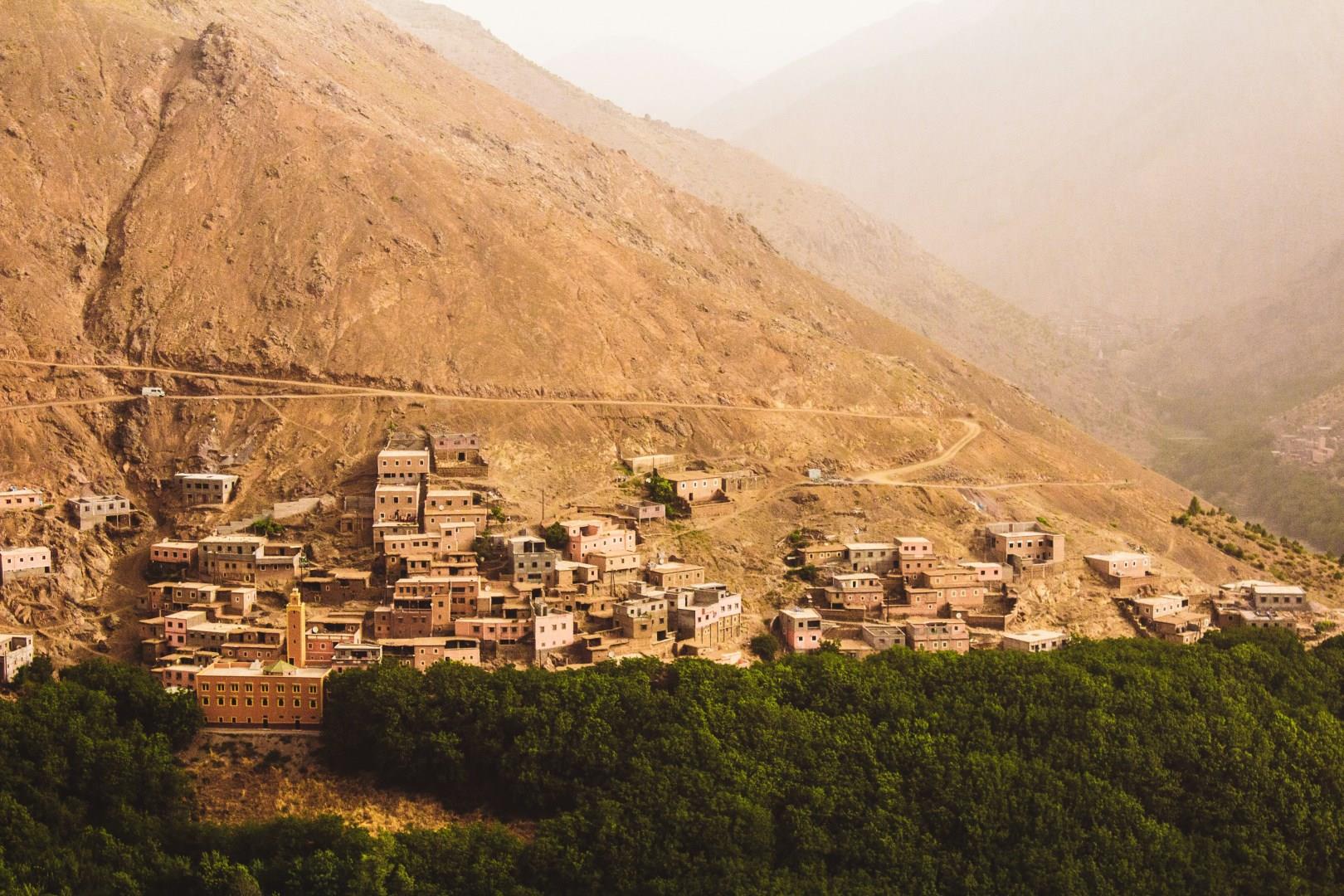
Imlil
Imlil is a small Berber village nestled in the High Atlas Mountains of Morocco, serving as a gateway to the Toubkal National Park. Its history is tied to mountain agriculture and traditional life, with stone houses and terraced fields reflecting centuries of adaptation to the rugged terrain.
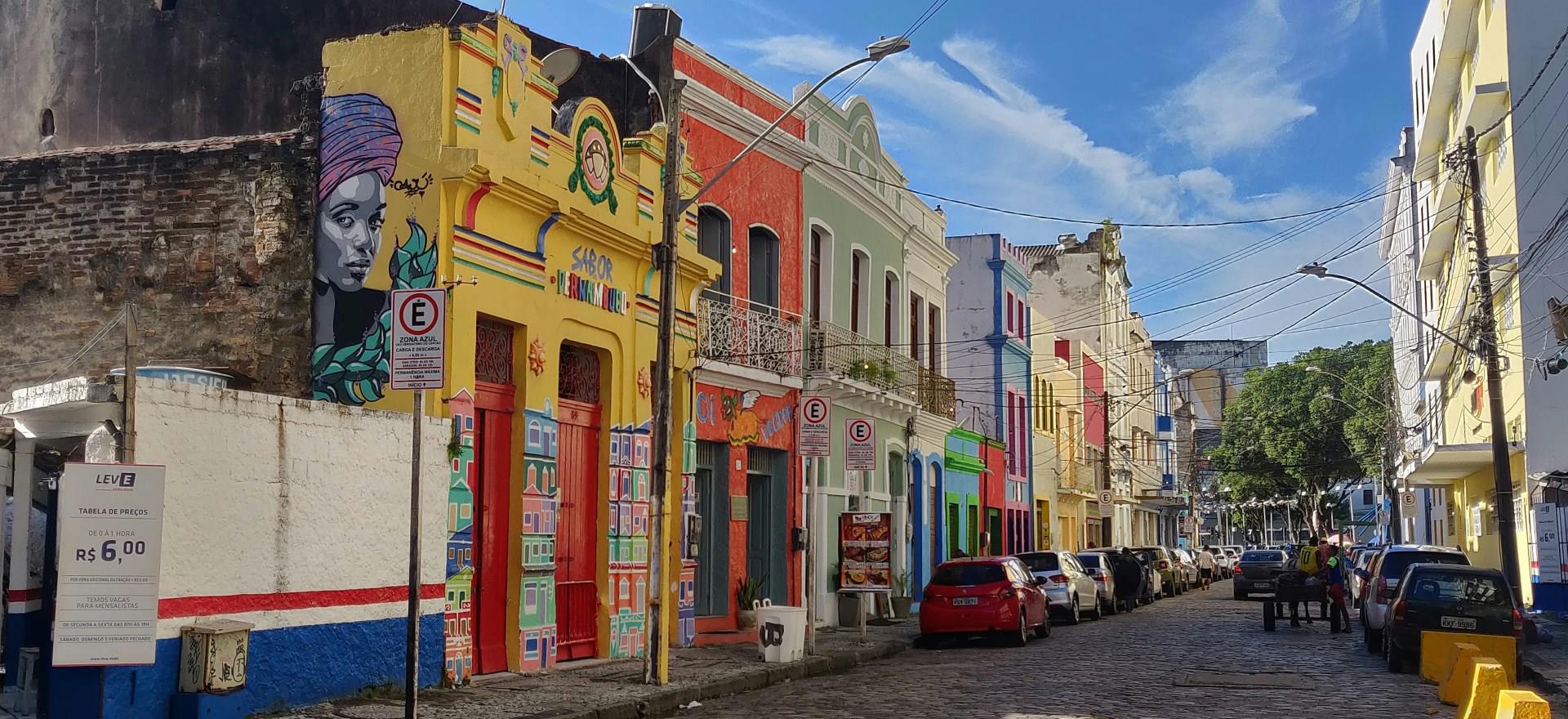
Recife
Recife spreads across a low-lying coastline in northeastern Brazil, shaped by rivers, bridges, and a long history of Atlantic exchange. Founded by the Portuguese and later occupied by the Dutch in the 17th century, the city carries layered influences visible in its street layout, fortifications, and religious buildings.

Saudi Arabia
Saudi Arabia is revealing chapters long unseen by tourists. Al-Ula is home to Hegra, the first UNESCO World Heritage Site in the kingdom and hosts to ancient Nabatean tombs carved in sandstone cliffs. Nearby, the mirrored Maraya Concert Hall reflects the desert sky, its design both unexpected and elegant amid the sands. Visitors can wander through narrow canyons, step inside rock-hewn facades, and feel the weight of ancient civilizations still echoing across the dunes.

Beaune
Located in the Burgundy Region of France, Beaune has the most prestigious vineyards in the country. This is the place to be if the words "grand cru" make your mouth water. Add to this the great gastronomique specialties of the region, gothic cathedrals, medieval villages and golden landscapes and you have many great reasons to get to know this province.
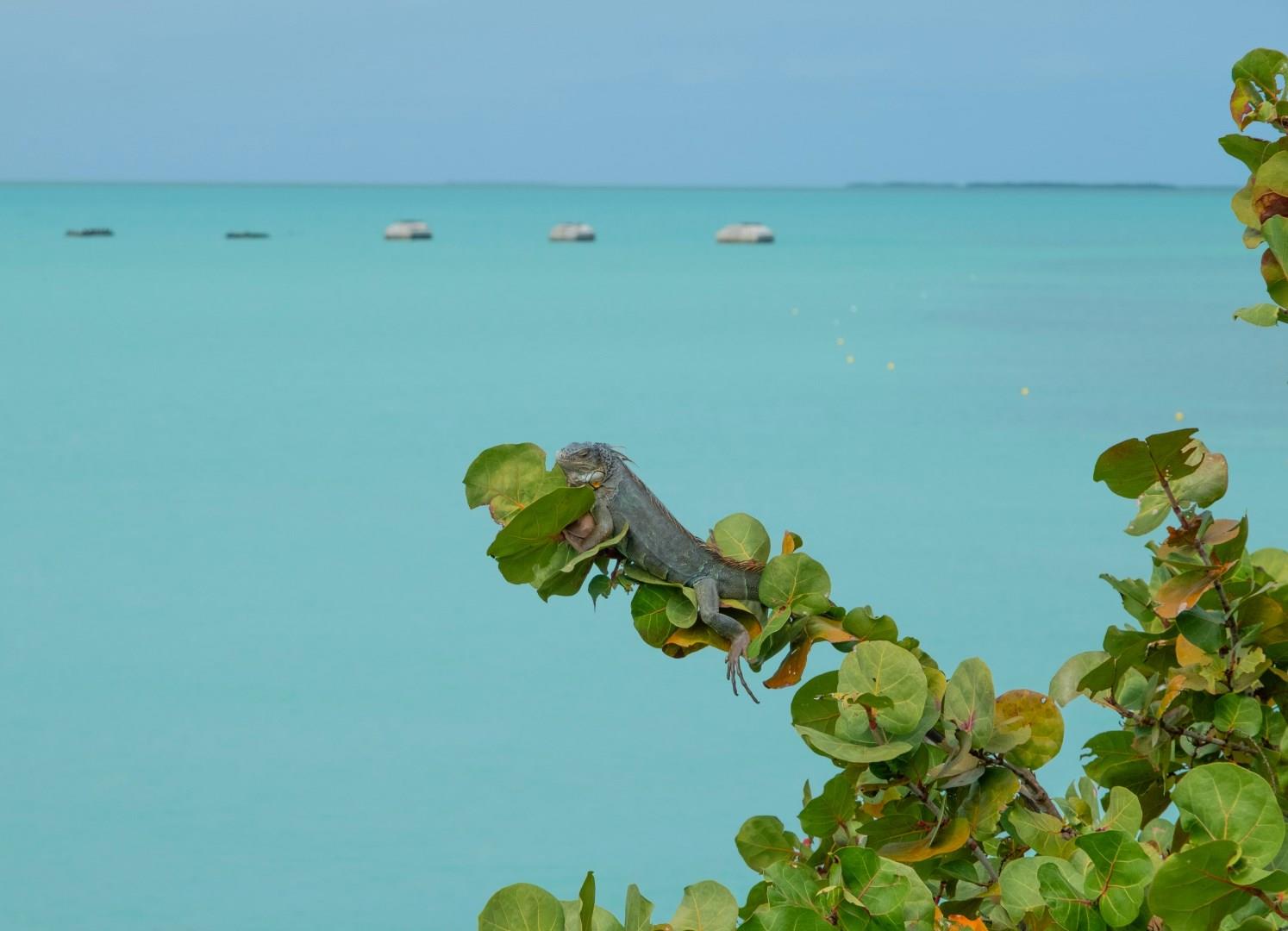
Marathon
Marathon, located near the center of the Florida Keys, is a vibrant island city known for its fishing, boating, and tropical charm. Nestled between Key Largo and Big Pine Key, Marathon is surrounded by clear waters, coral reefs, and sandy beaches, making it a prime destination for water-based recreation.
