

Manaus
Manaus, capital of Brazil’s Amazonas state, is a city that rises unexpectedly from the rainforest. Once the center of the global rubber boom in the late 1800s, Manaus still holds onto that legacy with surprising elegance. The Teatro Amazonas, an opulent opera house imported piece by piece from Europe, sits at the heart of the city, its pink façade and domed roof tiled in the colors of the Brazilian flag. Today, it hosts concerts, festivals, and curious visitors eager to step back in time.

Prince Edward Island
Located in the Gulf of St. Lawrence in southeastern Canada, Prince Edward Island has been nicknamed "The Garden of the Gulf." It was founded in 1534 by French Explorer Jacques Cartier and is primarily a fishing center and summer tourist destination.
Chuuk
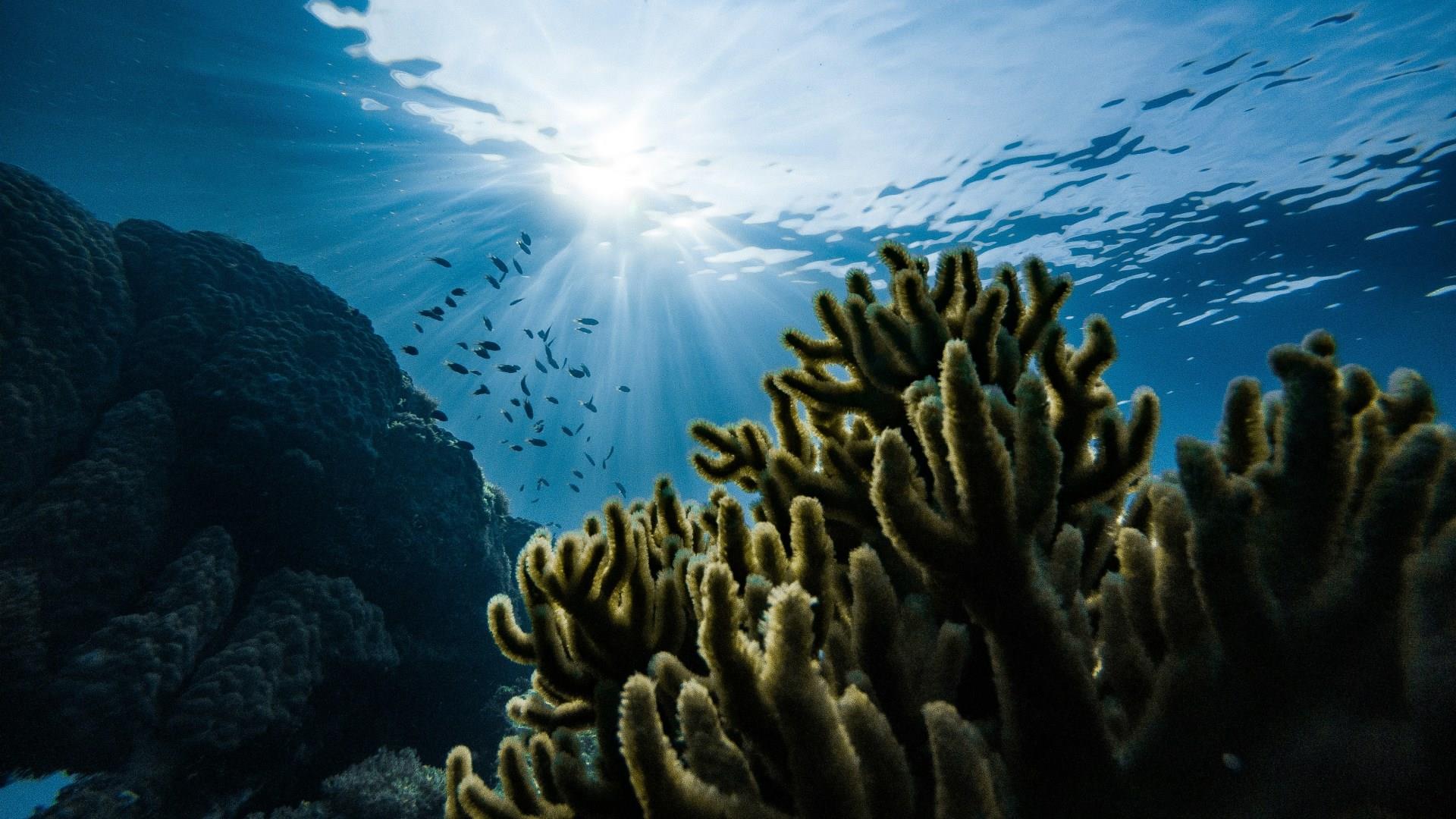
Chuuk, one of the four states of the Federated States of Micronesia, is best known for its vast lagoon which is one of the largest enclosed lagoons in the world. But what sets Chuuk apart is what lies beneath those calm blue waters: an entire underwater fleet of sunken warships, aircraft, and submarines left from World War II. Often called the "Ghost Fleet of Truk Lagoon," these wrecks make Chuuk a global destination for experienced divers.

Phang Nga
Phang Nga is a coastal province in southern Thailand known for its dramatic limestone landscapes and deep connection to the Andaman Sea. Historically shaped by maritime trade, fishing communities, and tin mining, the region sits just north of Phuket yet feels distinctly quieter and more grounded.
Niger
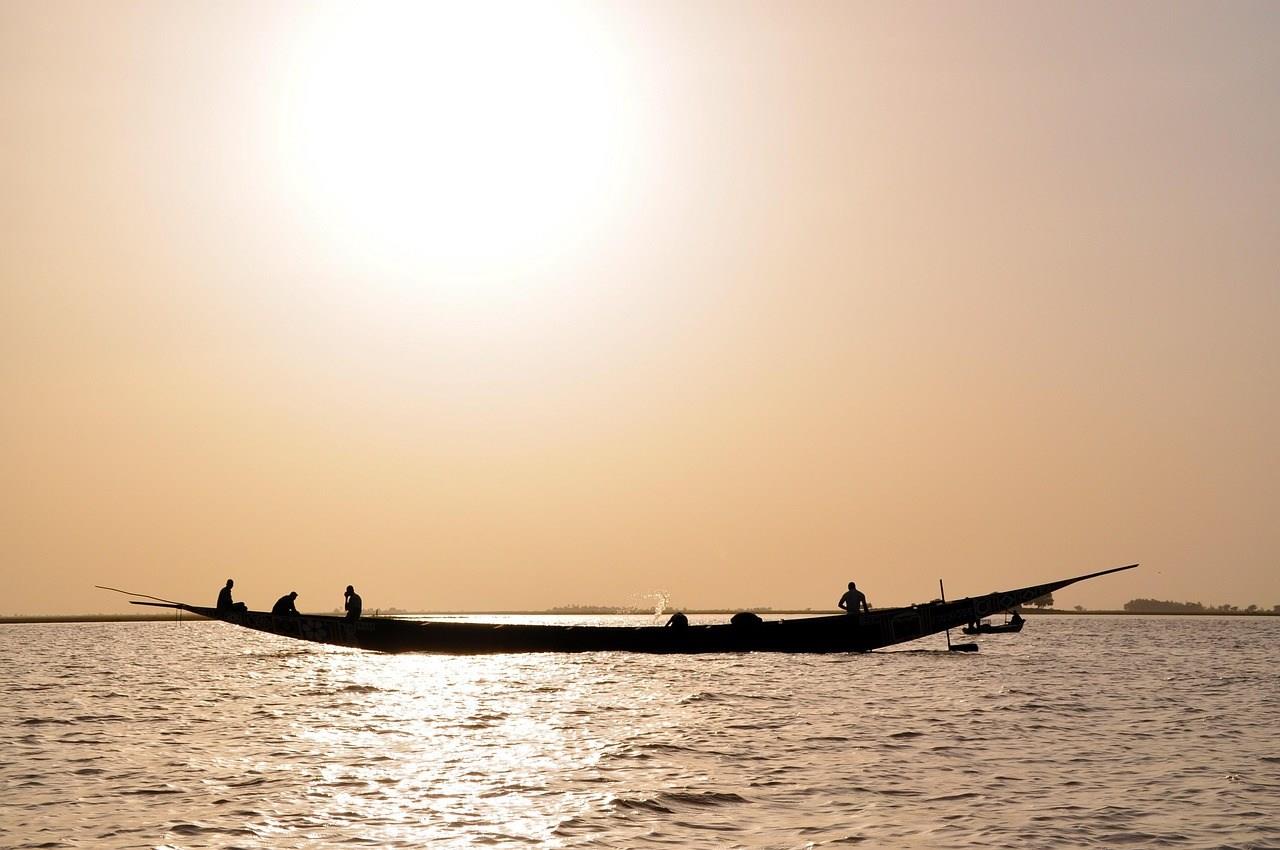
Niger, located in West Africa, is a country of vast landscapes and diverse cultures. Much of its territory is covered by the Sahara Desert, with rolling sand dunes, rocky plateaus, and oasis towns defining the northern regions.
