
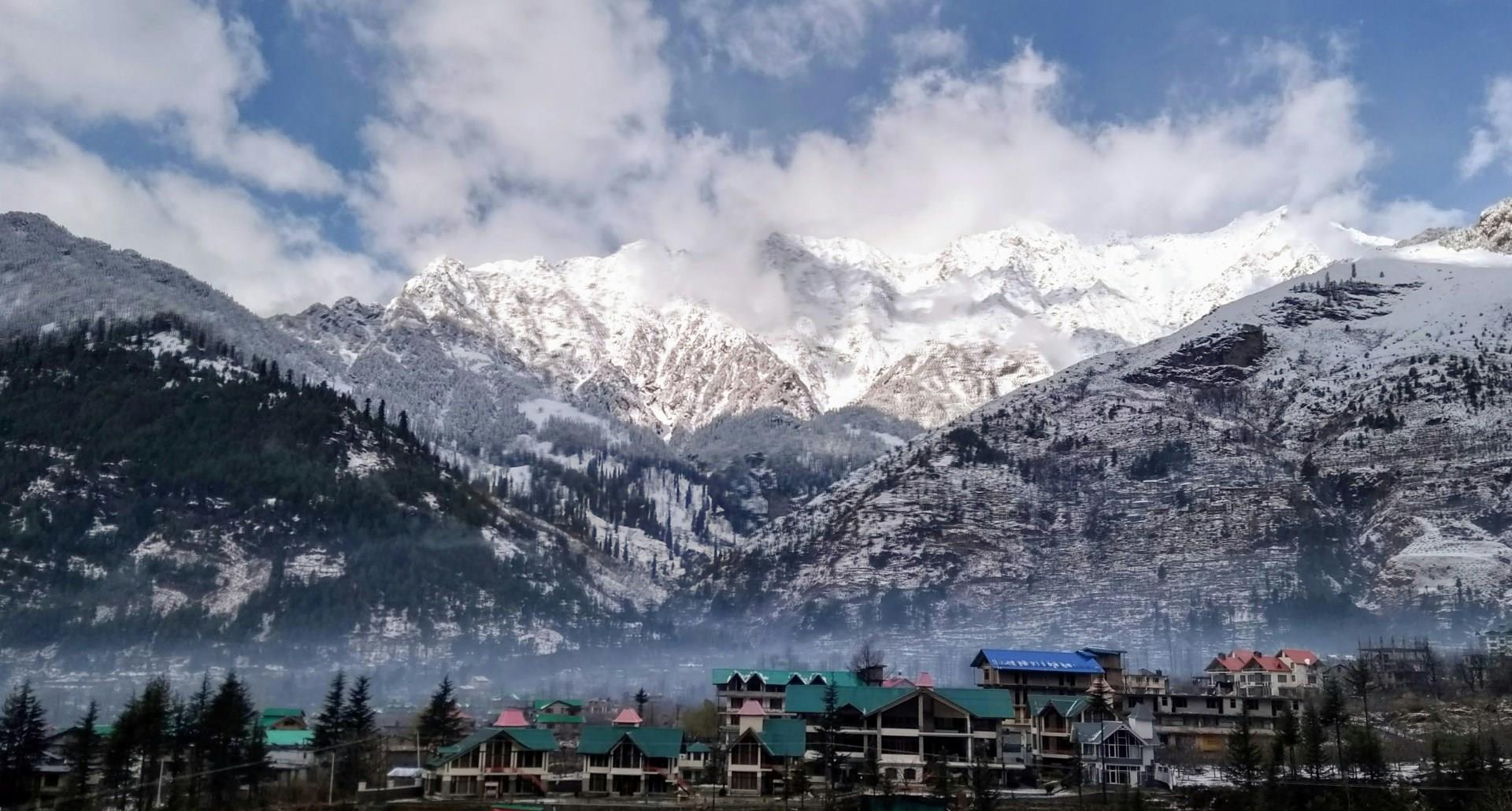
Manali
High in the Kullu Valley of Himachal Pradesh, Manali is where snow-dusted peaks, rushing rivers, and quiet cedar forests come together to create a destination full of experiences. The town sits beside the Beas River at nearly 2,000 meters above sea level, offering a refreshing escape from India’s plains. Legend says the name “Manali” comes from “Manu-Alaya,” meaning the home of sage Manu, who is believed to have repopulated the world after a great flood.

Sirmione
Sirmione, a picturesque town on the southern shore of Lake Garda, Italy, offers a unique blend of natural beauty and historical intrigue. Known for its stunning peninsula that juts into the lake, Sirmione is celebrated for its charming medieval streets and spectacular lakeside views. At the heart of the town stands the Scaliger Castle, a 13th-century fortress surrounded by moats and offering panoramic views of Lake Garda and the surrounding landscape.

Noumea
Nouméa, the vibrant capital of New Caledonia, offers a captivating mix of French sophistication and Pacific charm. This bustling city is renowned for its beautiful beaches, such as Anse Vata, where turquoise waters and white sand invite relaxation and water sports.

Montevideo
Montevideo, Uruguay’s eclectic and diverse capital, is sure to charm you with bustling markets, sunny beaches, and plenty of museums to explore. Start your stay in Montevideo at the city center in Plaza Independencia, a lush town square surrounded by towering palm trees and stunning architecture.

Sicily
Sicily, the largest island in the Mediterranean, is a captivating blend of ancient history, stunning landscapes, and vibrant culture. The island’s rich past is evident in its archaeological treasures, with Greek, Roman, Arab, and Norman influences shaping its architecture and traditions. The Valley of the Temples in Agrigento is a must-visit for history lovers, where you can wander among some of the best-preserved Greek temples outside of Greece.
