

Sete
Sète is a lovely port city in southern France, often called the "Venice of Languedoc" because of its many canals. The old port area is full of history and charm, making it a great place to explore. Visitors can stroll along the canals while observing the daily activities of fishermen and admire the array of boats moored along the quays.

Maho Beach
Maho Beach, on the Dutch side of Sint Maarten, is one of the Caribbean’s most thrilling and unconventional beach experiences. Situated directly beside Princess Juliana International Airport, the beach is world-famous for its low-flying airplanes that descend just overhead before landing.
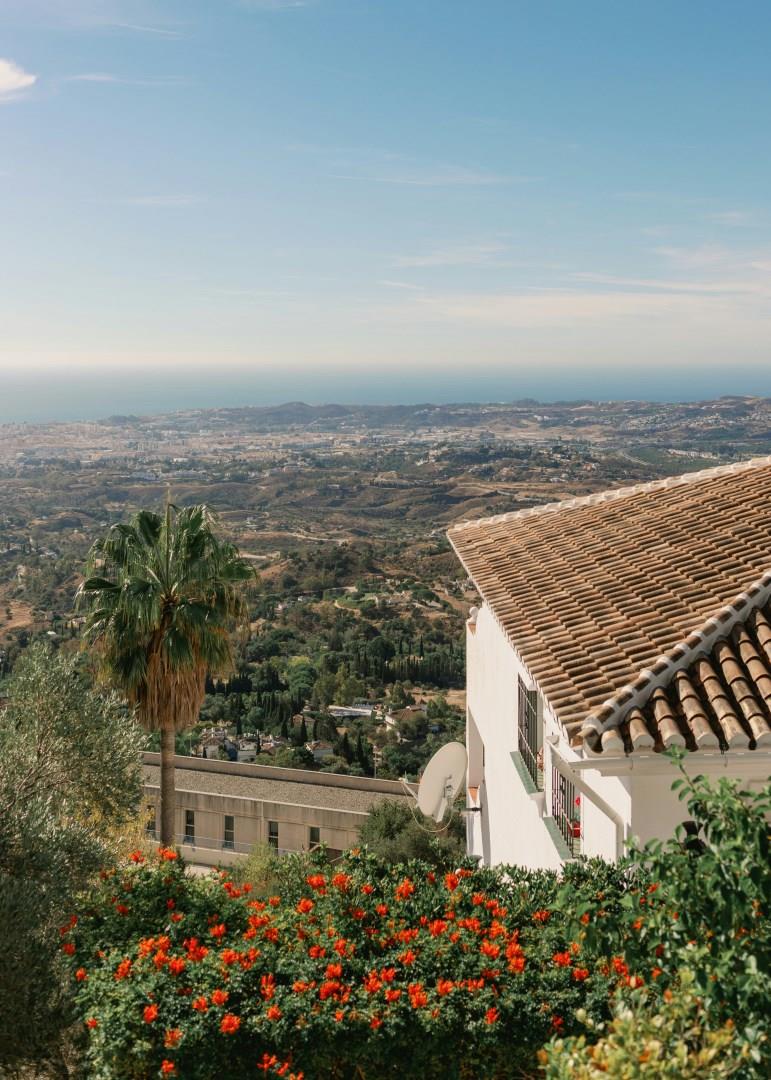
Mijas
Mijas, perched on the hillside above the Costa del Sol, blends centuries of Andalusian tradition with views that stretch across the Mediterranean. The whitewashed buildings of Mijas Pueblo reflect sunlight from narrow cobbled streets that wind through small plazas, each with its own fountain, chapel, or overlook. The town’s layout still follows Moorish-era planning, and remnants of the old wall (La Muralla) offer shaded walks lined with native plants and panoramic views over the coast.

Lithuania
Lithuania offers visitors a chance to explore a country where medieval traditions and modern culture meet. Vilnius, the capital, is known for its well-preserved Old Town, a UNESCO World Heritage site filled with winding streets, baroque churches, and cozy squares. Visitors can climb the hill to Gediminas’ Tower for a sweeping view of the city, or visit the Gates of Dawn, an important religious and historical monument that has welcomed travelers for centuries.

Yangon
Yangon, Myanmar’s largest city, blends colonial heritage, cultural diversity, and spiritual landmarks. Once the country’s capital, it remains the economic and cultural hub, with lively markets, tree-lined avenues, and historic buildings that reflect its layered past under British, Burmese, and regional influences.
