

Denmark
Denmark is a country shaped by water, wind, and centuries of human ingenuity. In places like Roskilde, visitors can see five original Viking ships at the Viking Ship Museum and even try rowing a replica longboat across the fjord. In Copenhagen, the harbor once used by merchants and sailors now welcomes swimmers, kayakers, and ferries, with historic warehouses repurposed into restaurants and museums.
Ilha Grande
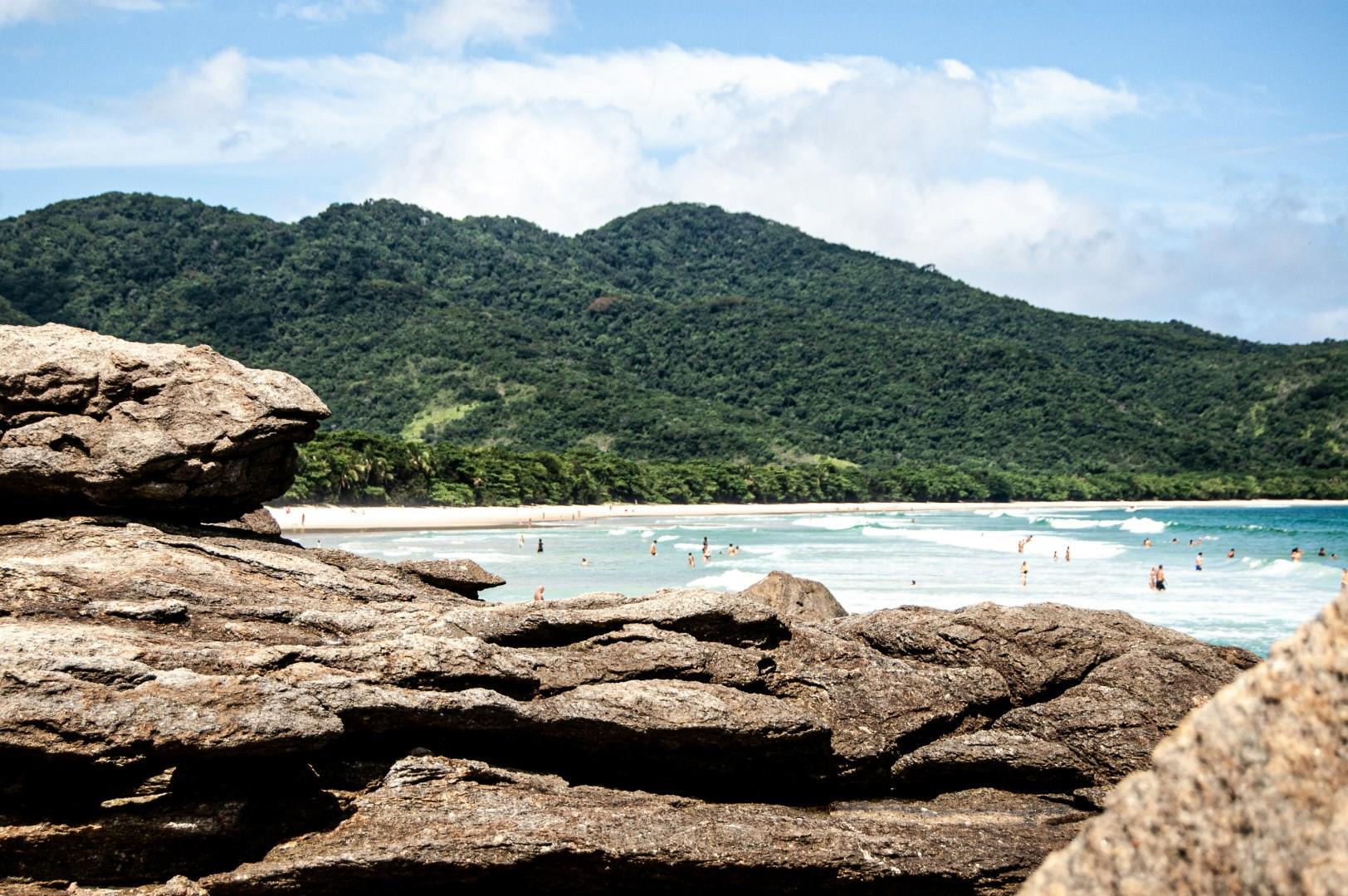
Ilha Grande, an island off the coast of Rio de Janeiro state, is a place where tropical forest and coastline meet in striking harmony. Once a pirate hideout and later the site of a penal colony, it has evolved into one of Brazil’s most remarkable island destinations. With no cars allowed and no large resorts, the island moves at a different pace, where footpaths and boats are the main ways to get around.

Portovenere
Portovenere, in the region of Cinque Terre, is a characteristic medieval village situated at the far west of the gulf. With its colored, narrow high houses, the Genoese Castle, the St. Pietro Church on the steep cliff, it unites history with charm.
Lourdes
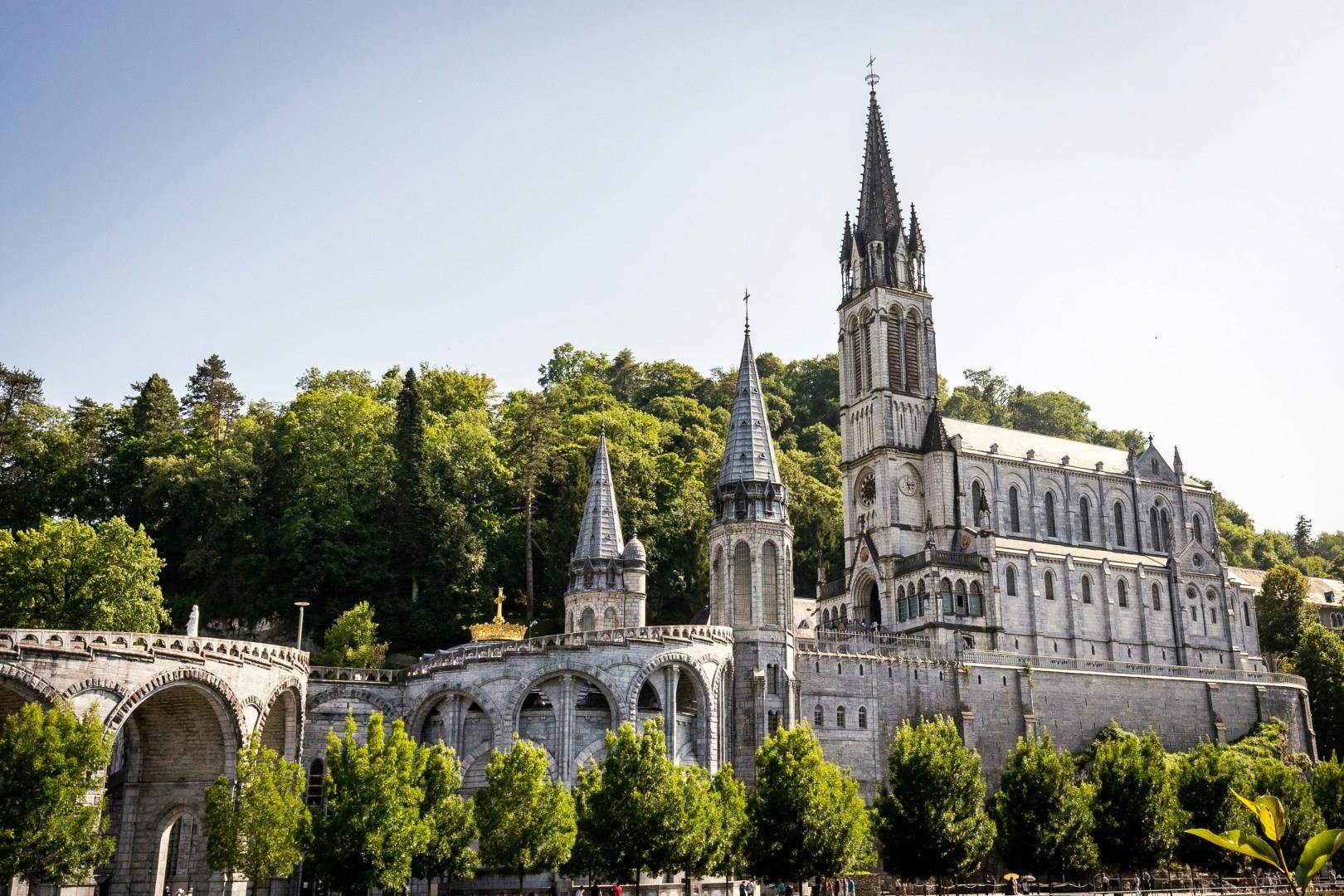
Located at the foot of the Pyrenees in southwestern France, Lourdes is best known for the Marian apparitions reported by 14-year-old Bernadette Soubirous in 1858. These events transformed the small market town into one of the most visited pilgrimage sites in the world. The Sanctuary of Our Lady of Lourdes, which includes the Grotto of Massabielle, the Basilica of the Immaculate Conception, and the underground Basilica of St. Pius X, draws millions each year.
Newark
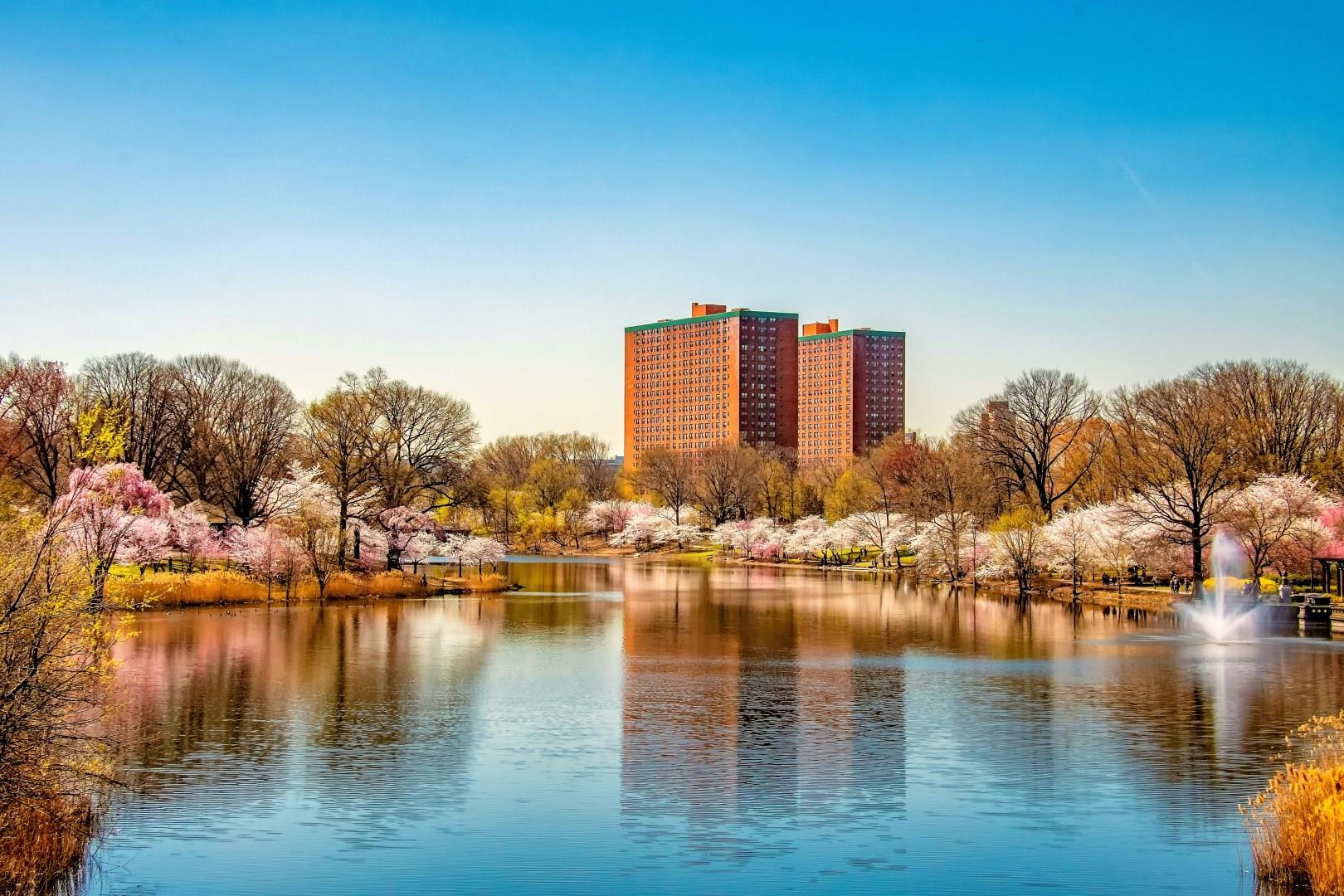
Newark, New Jersey is often overshadowed by its proximity to New York City but still has a strong identity rooted in history, art, and global culture. As one of the oldest cities in the United States, founded in 1666, Newark’s rich past is visible in landmarks like the Old First Presbyterian Church and Military Park, where George Washington once camped. The city’s architecture reflects its legacy, from the Beaux-Arts Newark Museum building to the art deco facade of the historic Hahne & Co. depar
