

Pula
Pula, a historic city located on the Istrian Peninsula in Croatia, is renowned for its impressive Roman heritage and vibrant cultural scene. The city's centerpiece is the Pula Arena, one of the best-preserved Roman amphitheaters in the world. This monumental structure, built in the 1st century AD, offers visitors a glimpse into ancient spectacles and gladiatorial contests. Today, it hosts various events, including concerts and film festivals.

Mikumi National Park
Mikumi National Park, located in Tanzania's southern highlands, offers a pristine and relatively undiscovered safari experience. Spanning over 3,230 square kilometers, Mikumi is part of the larger Selous Ecosystem, providing a diverse range of habitats from open grasslands to dense miombo woodlands. This park is an excellent choice for those seeking a more tranquil alternative to the more frequented Serengeti and Ngorongoro Crater.

Medellin
Nestled in the Aburrá Valley and surrounded by the Andes mountains, Medellín offers a stunning backdrop for visitors and boasts a pleasant climate year-round, earning it the nickname "City of Eternal Spring."
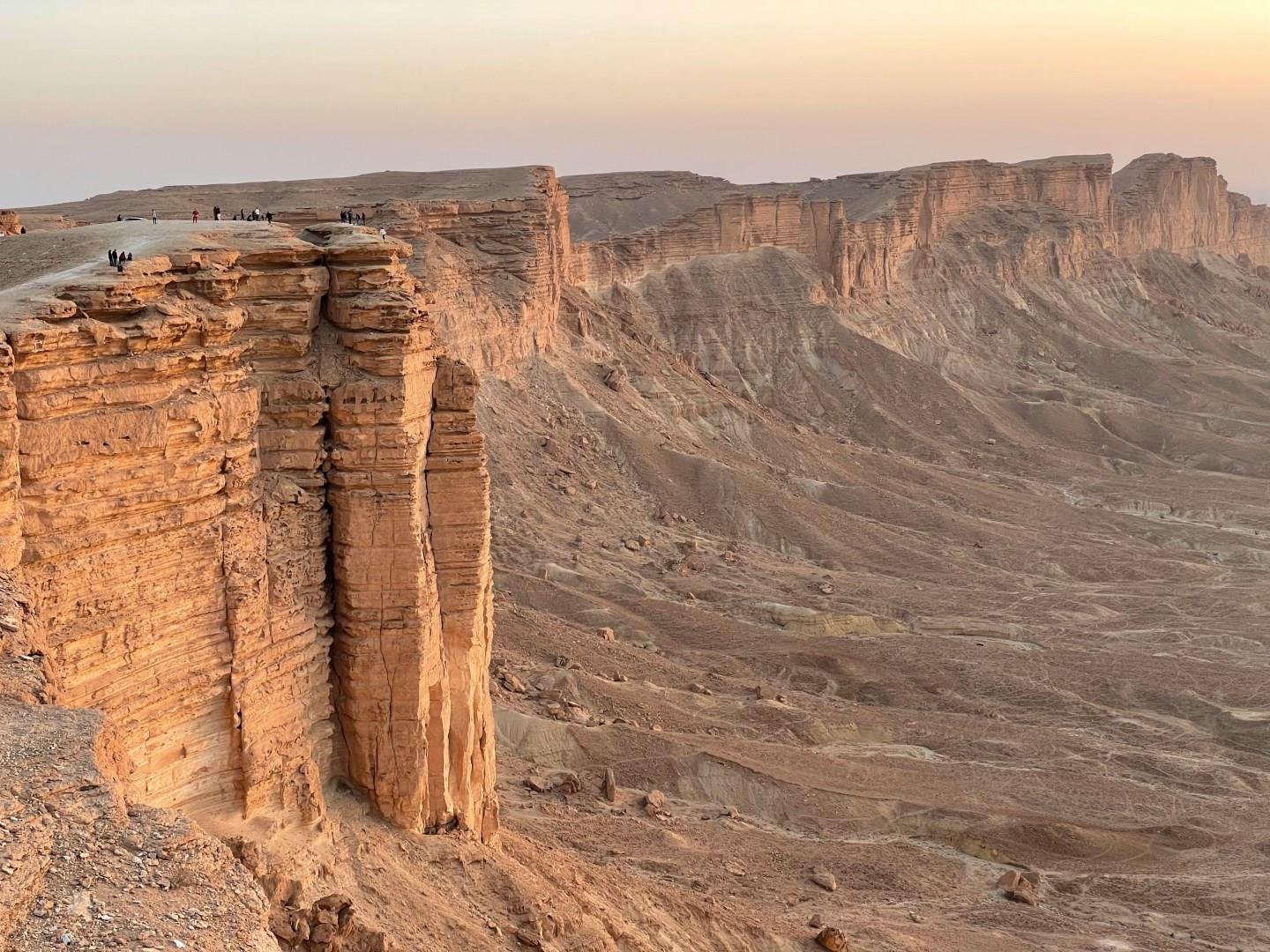
Riyadh
Riyadh blends stories from centuries with modern splendor. At its core stands Al Masmak Fortress, built of clay and mud-brick in the 19th century. It was the site that set the stage for the unification of Saudi Arabia. Today, it’s a museum that preserves weapons, historical displays, and accounts of that pivotal moment. Adjacent to the fortress, the Souq Al-Zal offers spices, traditional jewelry, and handmade crafts, connecting visitors to the city’s past through its alleyways.

Ephesus
Once the commercial center of the ancient world, Ephesus is an archaeological splendor and an essential stop on any visit to Turkey. The city, whose wealth and patronage support its splendid architectural program, was dedicated to the goddess Artemis.
