
Providence
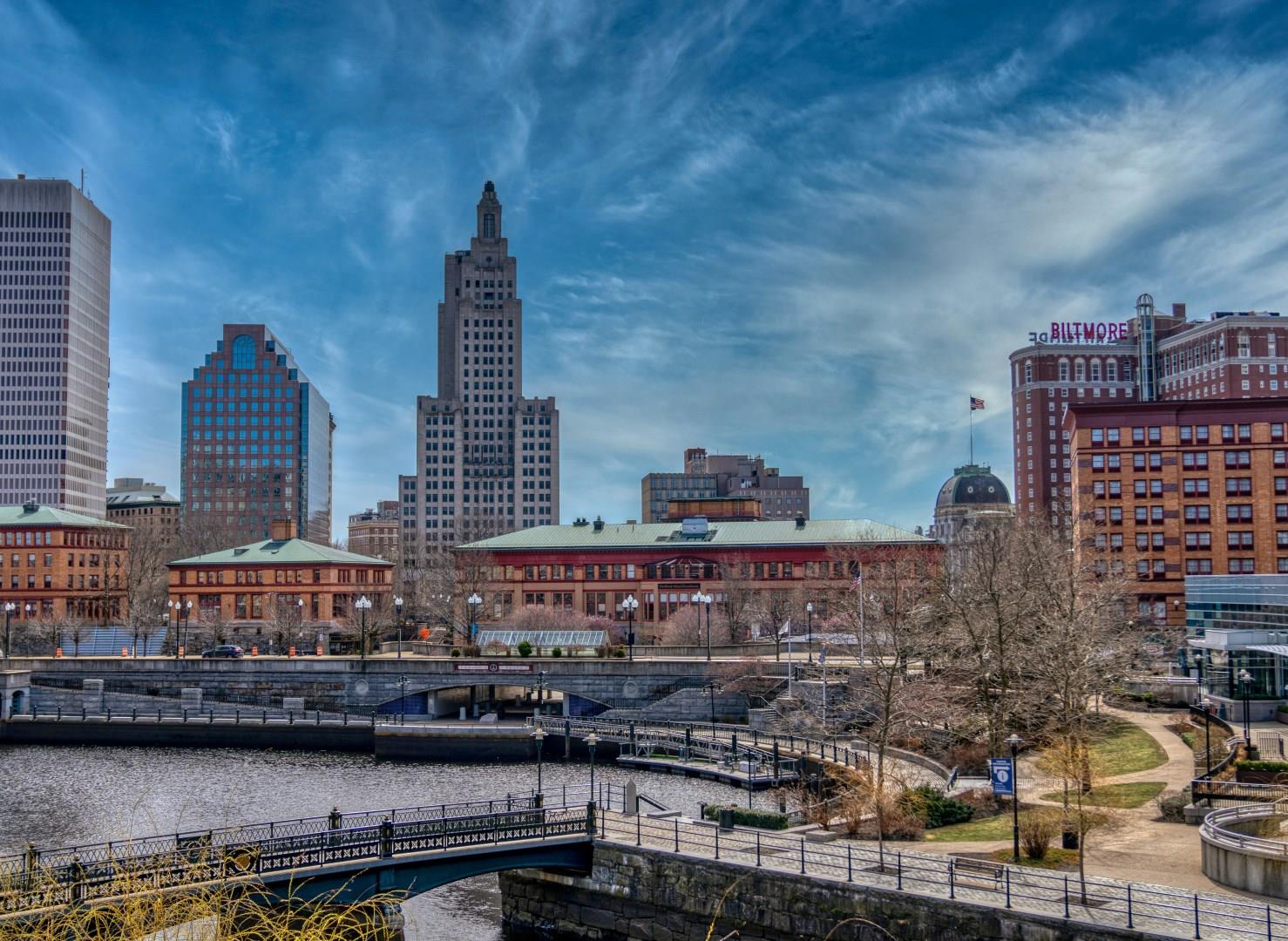
Providence, Rhode Island blends deep colonial roots with a strong creative pulse. Founded in 1636 by Roger Williams, the city became known for its dedication to religious freedom and independent thought. Walking along Benefit Street, visitors pass rows of 18th- and 19th-century homes, many of which are impeccably preserved and marked with historical plaques. The Rhode Island State House, with one of the world’s largest self-supported marble domes, towers over the downtown area and offers public

Heraklion
The capital of Crete, Heraklion is a Greek port city and a popular stop on Mediterranean and Greek cruises. The city is an historical marvel, replete with archaeological wonders and remnants of the region's past. Highlights include the Heraklion Archaeological Museum, the Rocca a Mare Fortress, the Venetian Loggia, and just past the city limits, the Palace of Knossos.
Dades Gorges
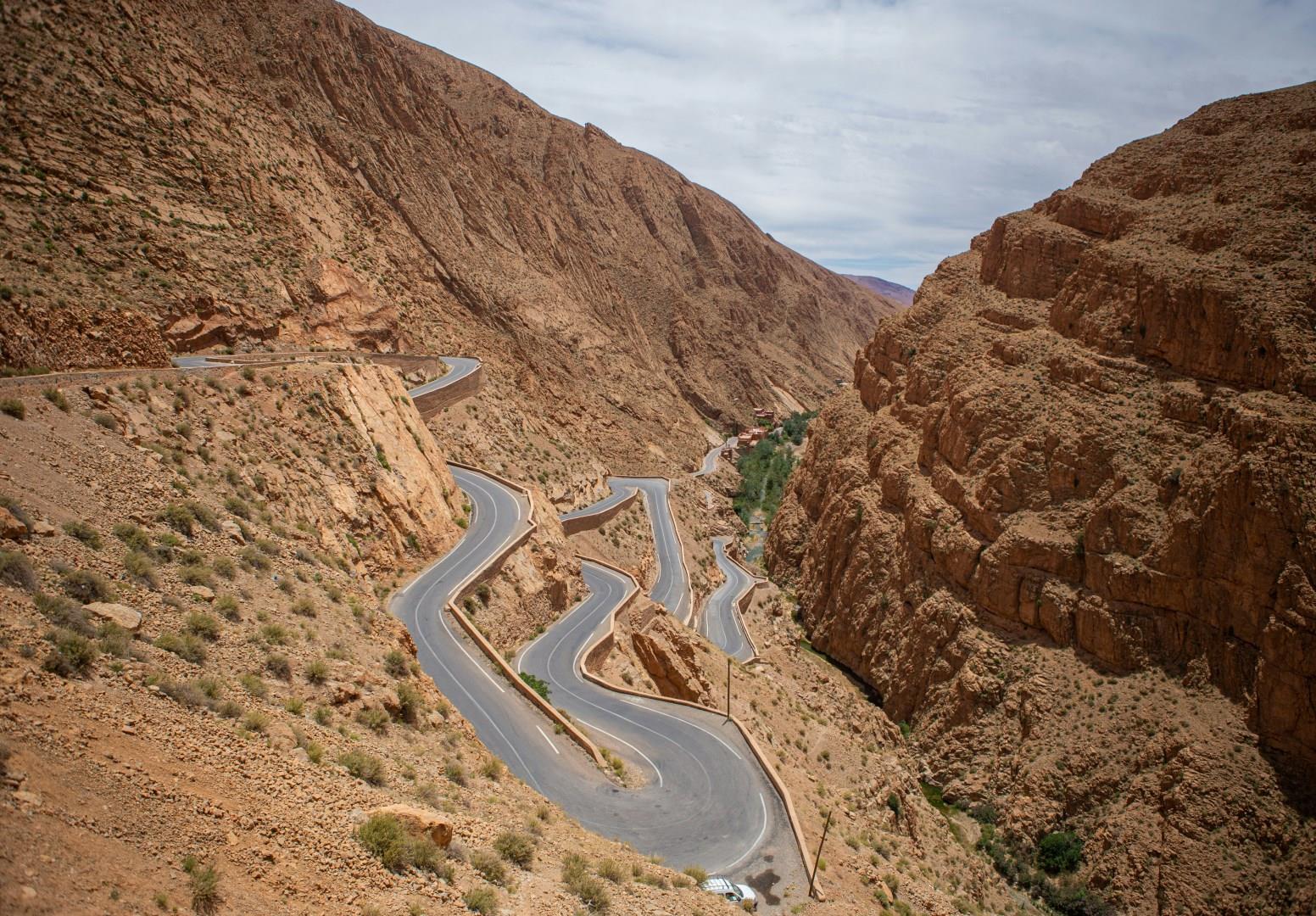
The Dades Gorges, carved by the Dades River in Morocco’s High Atlas Mountains, offer a winding stretch of road, towering rock walls, and centuries-old kasbahs perched on the cliffs. Located between the towns of Boumalne Dades and M’semrir, the gorge is especially known for its switchback road, often nicknamed “the snaking road of Tissadrine.” It’s a favorite among photographers and motorcyclists, with hairpin curves that reveal a new layer of landscape with every turn.
Lake Tana
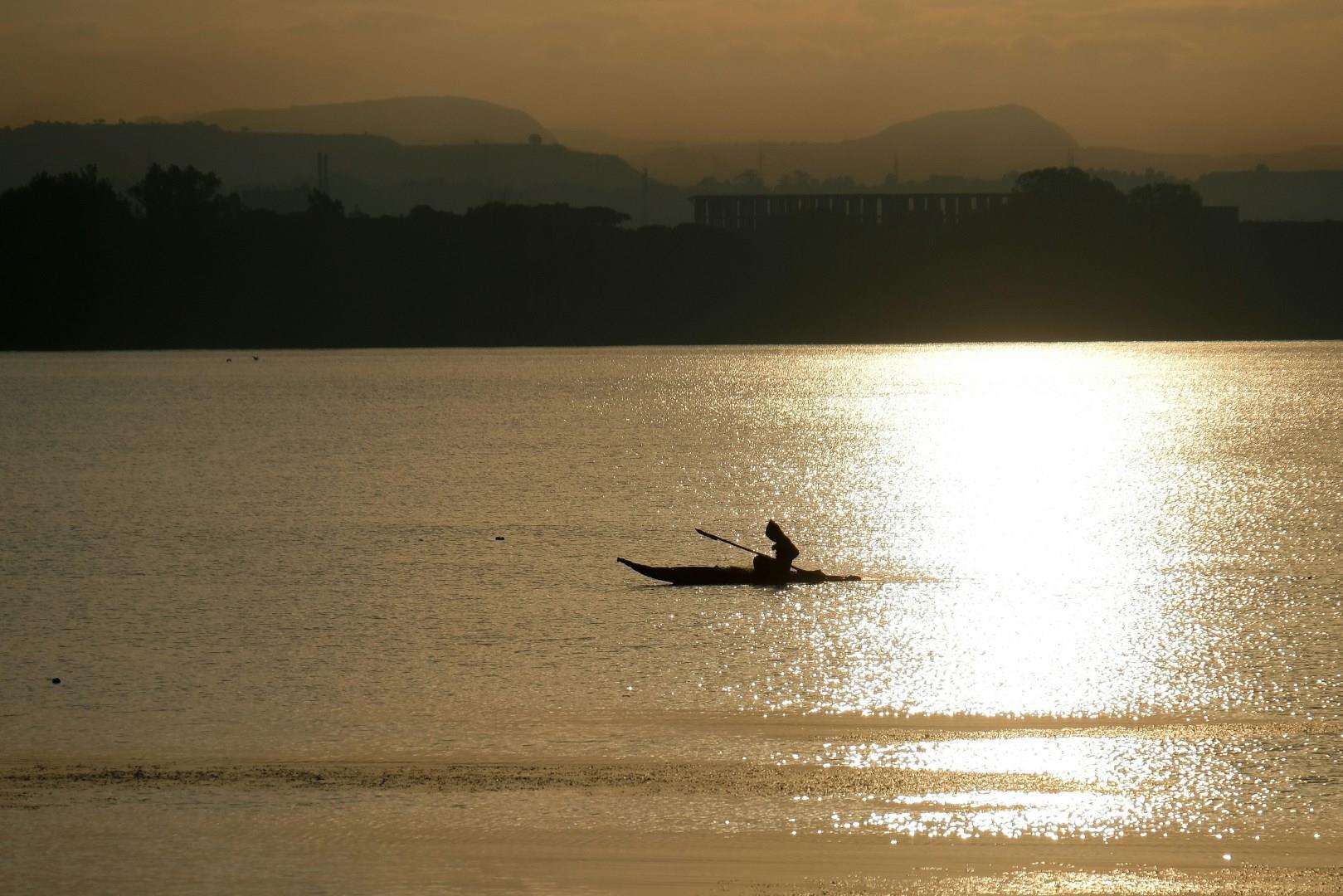
Lake Tana, located in the northwest of Ethiopia, is the country’s largest freshwater lake and the source of the Blue Nile. Its calm waters are dotted with more than 30 islands, many of which are home to ancient monasteries adorned with religious paintings and manuscripts.

Sweden
Sweden is a country where medieval towns, coastal archipelagos, and expansive forests sit side by side with modern design and a strong cultural identity. Stockholm, the capital, is built across 14 islands connected by bridges and ferries. The historic district of Gamla Stan features narrow, cobbled streets and colorful buildings dating back to the 13th century.
