
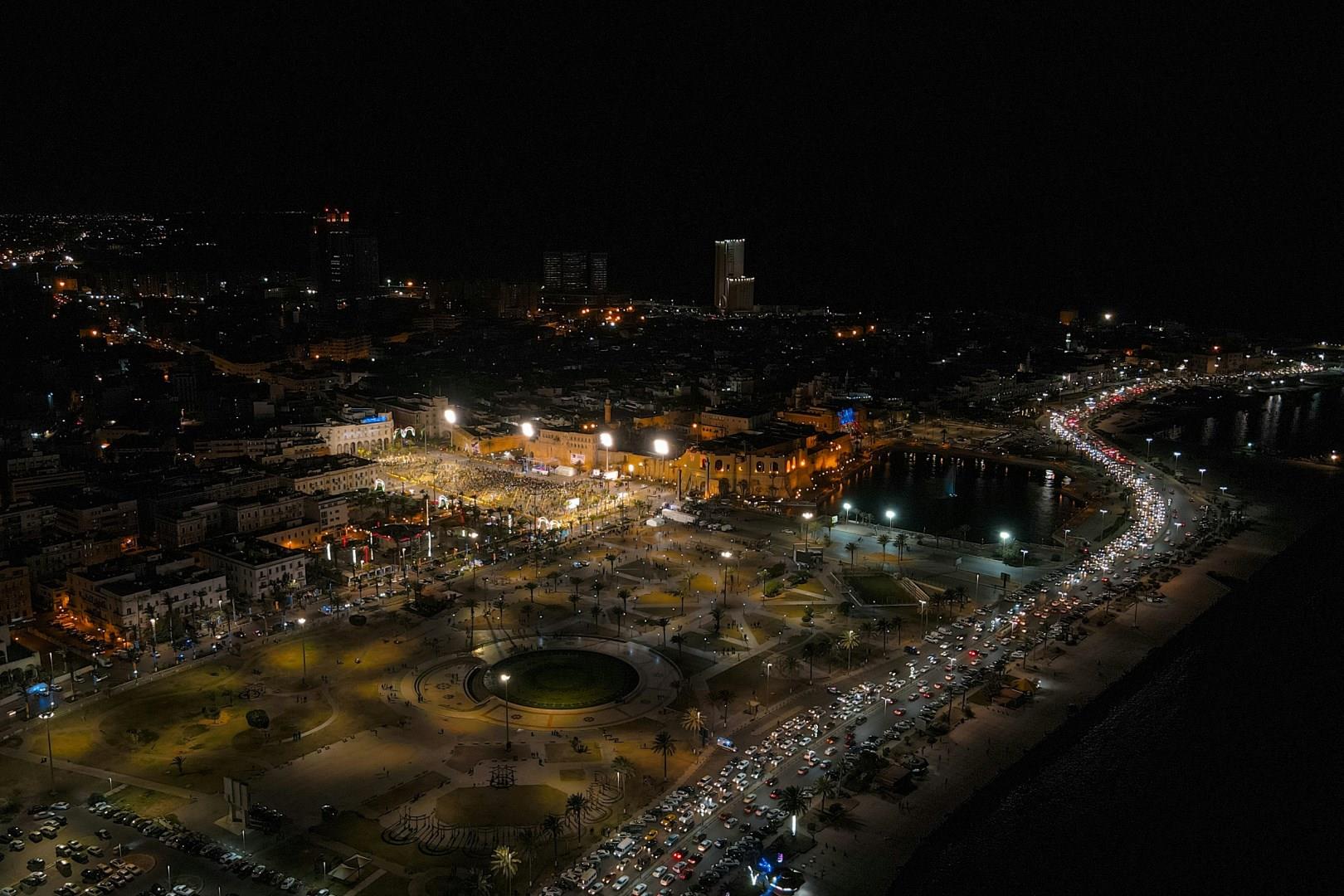
Libya
Libya, located in North Africa along the Mediterranean coast, is a country of vast deserts, ancient history, and dramatic landscapes. Much of its terrain is dominated by the Sahara Desert, with sand dunes, rocky plateaus, and oases shaping life across the country.

Prince Edward Island
Located in the Gulf of St. Lawrence in southeastern Canada, Prince Edward Island has been nicknamed "The Garden of the Gulf." It was founded in 1534 by French Explorer Jacques Cartier and is primarily a fishing center and summer tourist destination.

Puntarenas
Stretching along Costa Rica’s Pacific coast, Puntarenas offers more than just sandy shores. This historic port town once served as the country’s main gateway for coffee exports in the 19th century. Today, visitors can stroll along streets that echo stories of maritime trade and explore how Puntarenas helped shape Costa Rica's economic identity.
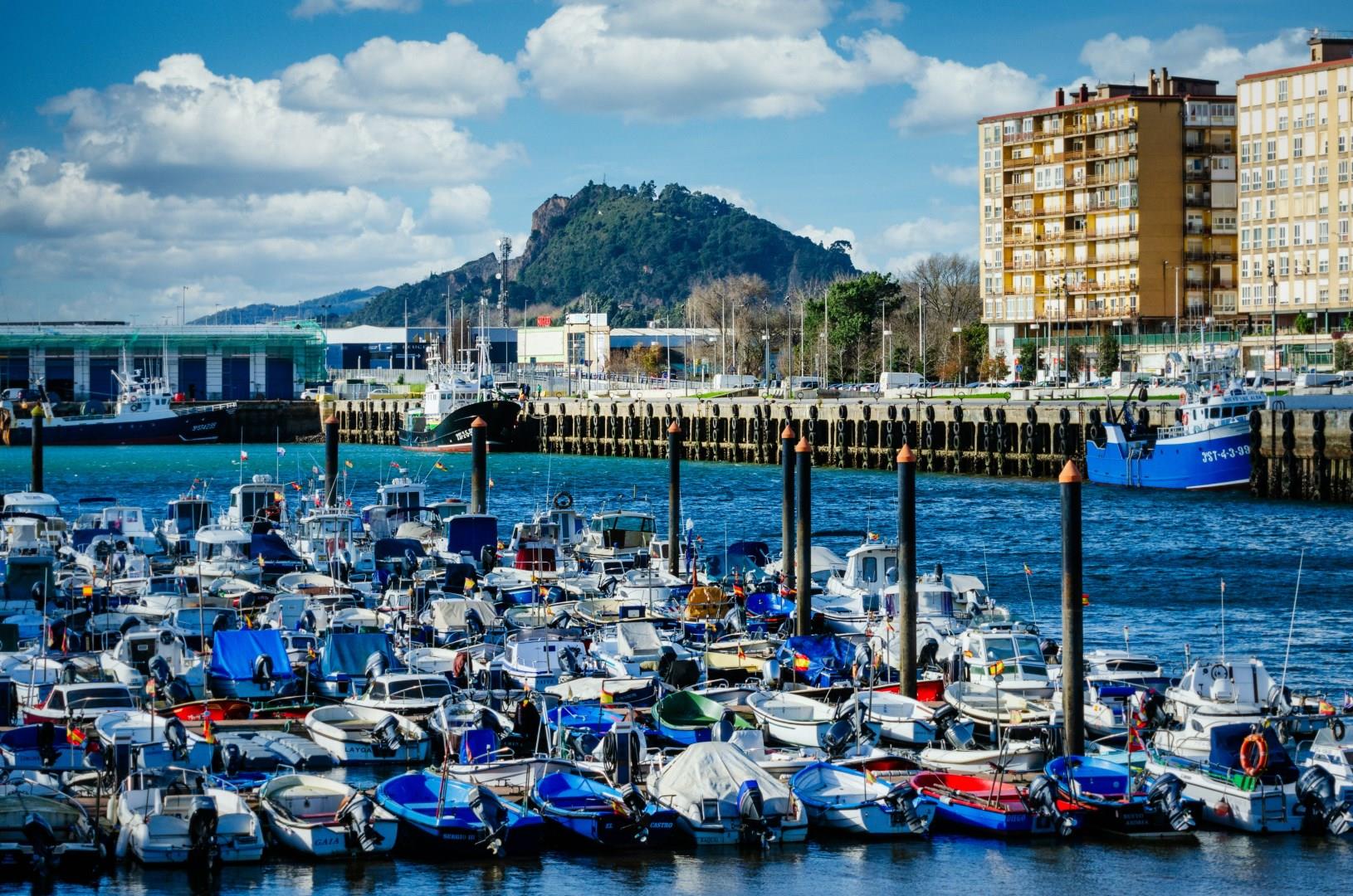
Santander
Santander, the capital of Spain’s Cantabria region, sits along the Bay of Biscay and offers travelers a mix of coastline, culture, and history shaped by centuries of maritime life. Once a bustling port for Castilian exports, Santander saw its golden age in the 19th century when Spanish royalty turned it into a summer retreat. The legacy of that era remains visible at the Palacio de la Magdalena, perched on a peninsula with views of the sea and home to royal stables, a mini zoo, and guided tours.
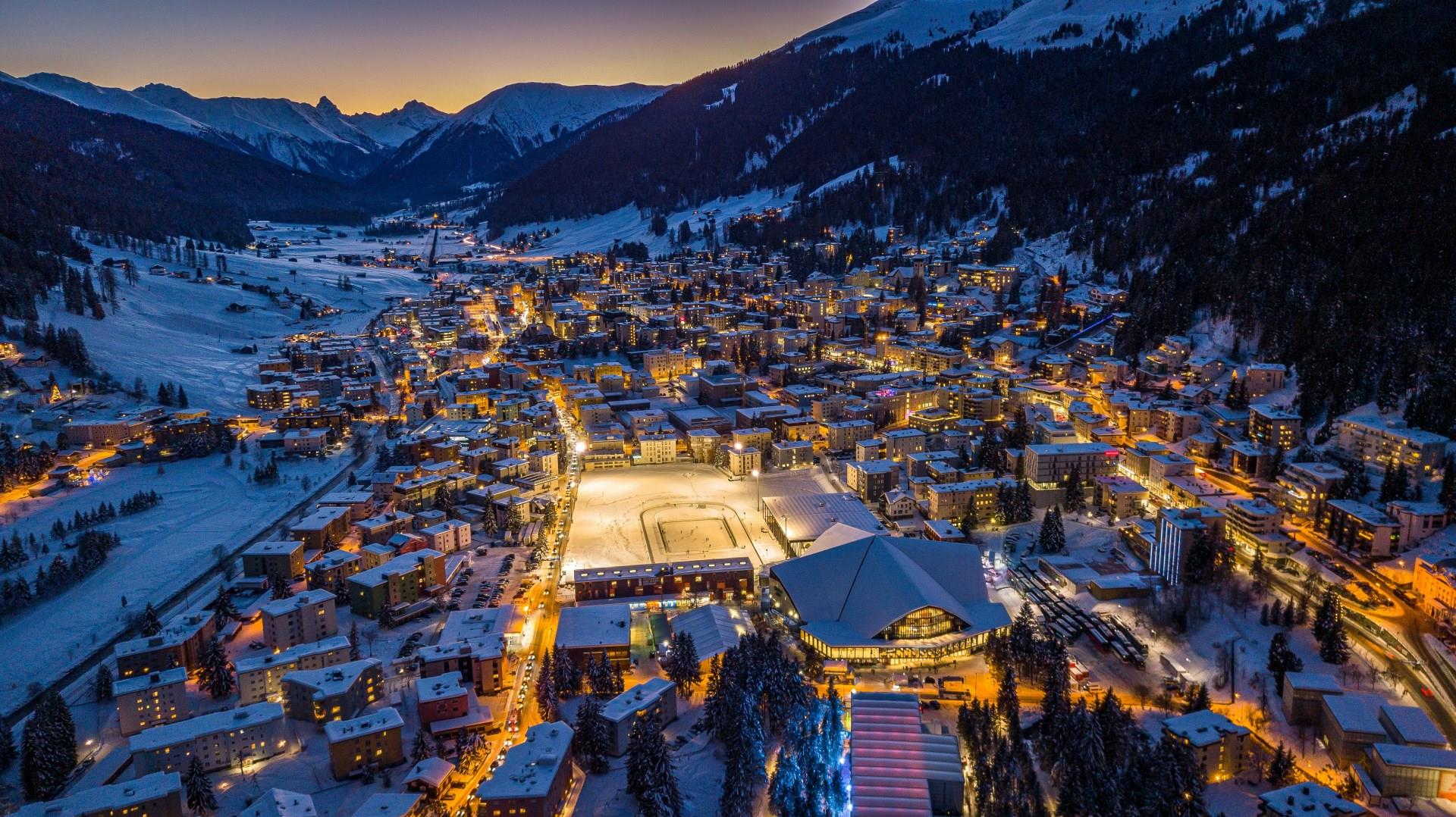
Davos
Davos, located in the Swiss canton of Graubünden, is the highest town in Europe at 1,560 meters above sea level and known for its alpine sports and outdoor activities. In winter, it offers over 300 kilometers of ski slopes shared with neighboring Klosters, along with cross-country trails and Europe’s largest natural ice rink. In summer, the same mountains transform into hiking and mountain biking routes, including the panoramic Jakobshorn and Parsenn areas.
