

Caribbean
The Caribbean is a region of vibrant cultures, sunlit shores, and a rich blend of traditions shaped by centuries of history. Scattered across turquoise waters, its islands each offer a unique personality, some bustling with colorful markets and lively music, others known for tranquil beaches and unspoiled nature.
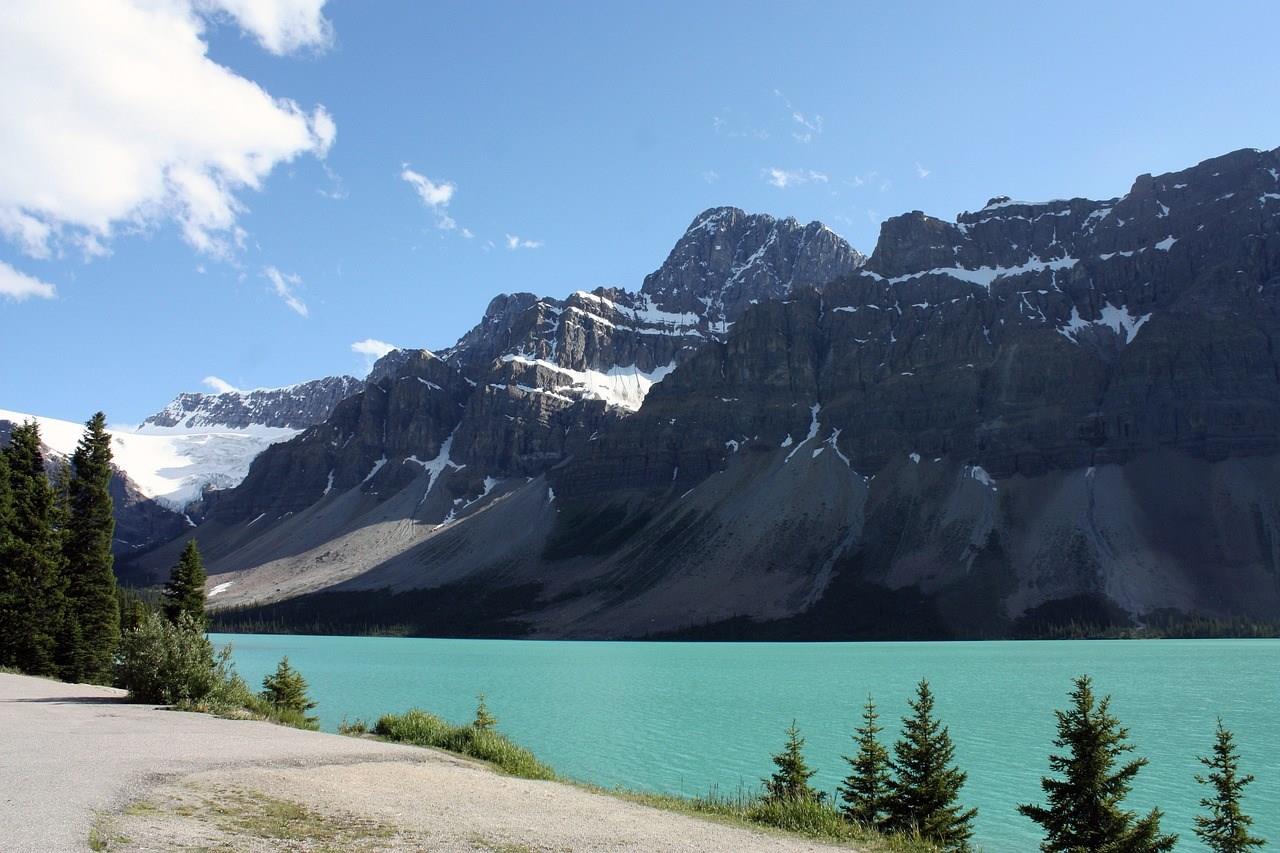
Jasper National Park
Jasper National Park, located in the heart of the Canadian Rockies in Alberta, is a breathtaking destination known for its stunning natural beauty and diverse wildlife. Spanning over 11,000 square kilometers, it is the largest national park in the Canadian Rockies and offers a wide range of outdoor activities such as hiking, camping, and wildlife viewing.

Ho Chi Minh City
Ho Chi Minh City, Vietnam’s largest metropolis, is a dynamic hub where history, culture, and commerce intersect. Formerly known as Saigon, the city reflects layers of its past, from French colonial architecture to markets and historic districts that capture the energy of daily life.
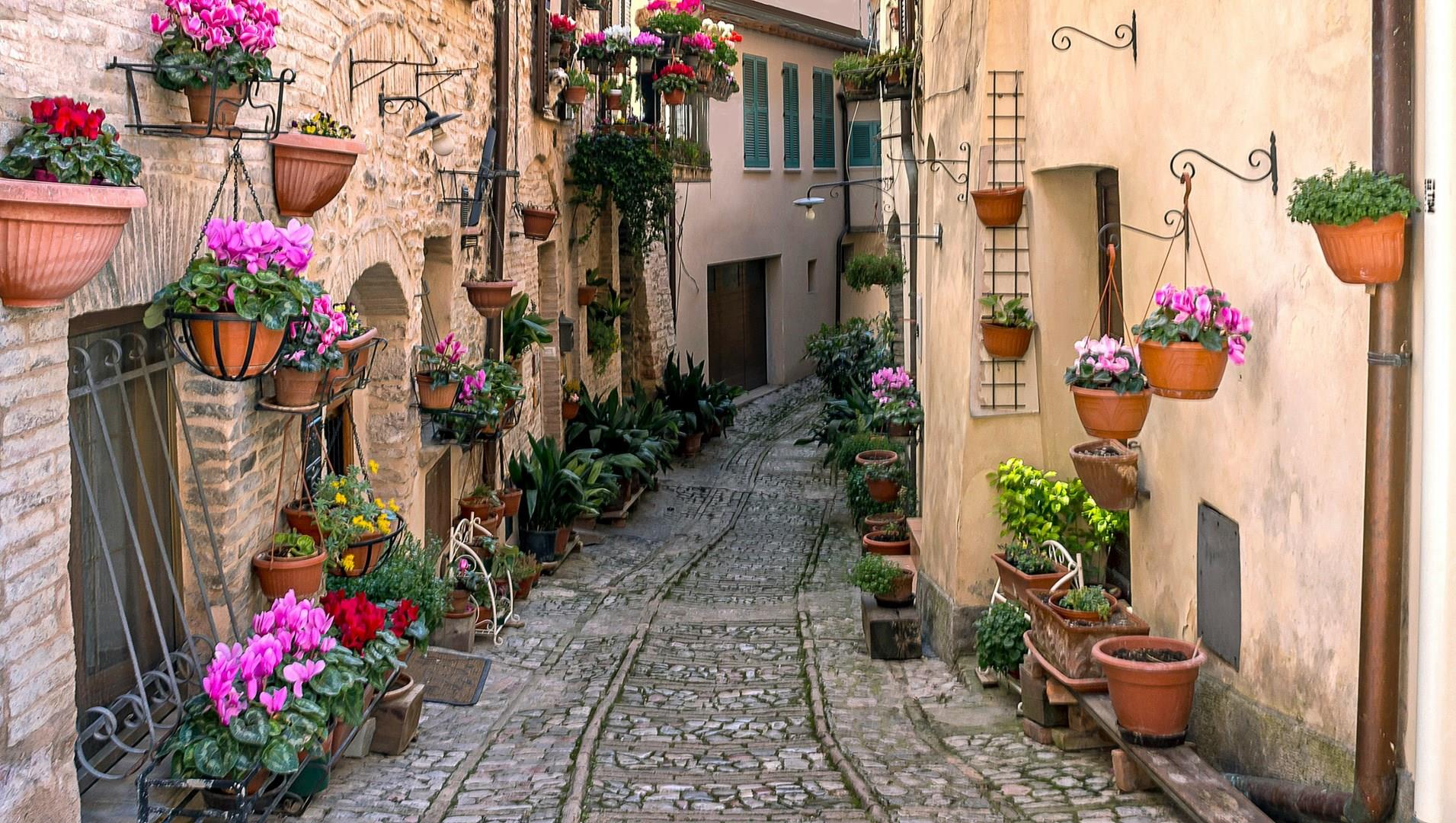
Spello
Spello sits high on the slopes of Mount Subasio in the heart of Umbria, where visitors step into a place shaped by centuries of history. Each year, Spello’s streets become a living canvas during the Infiorate di Spello, a long-standing celebration tied to Corpus Christi. Residents work through the night before the feast to lay flower petals along the town’s main thoroughfares, creating patterns and images that stretch for over a mile.
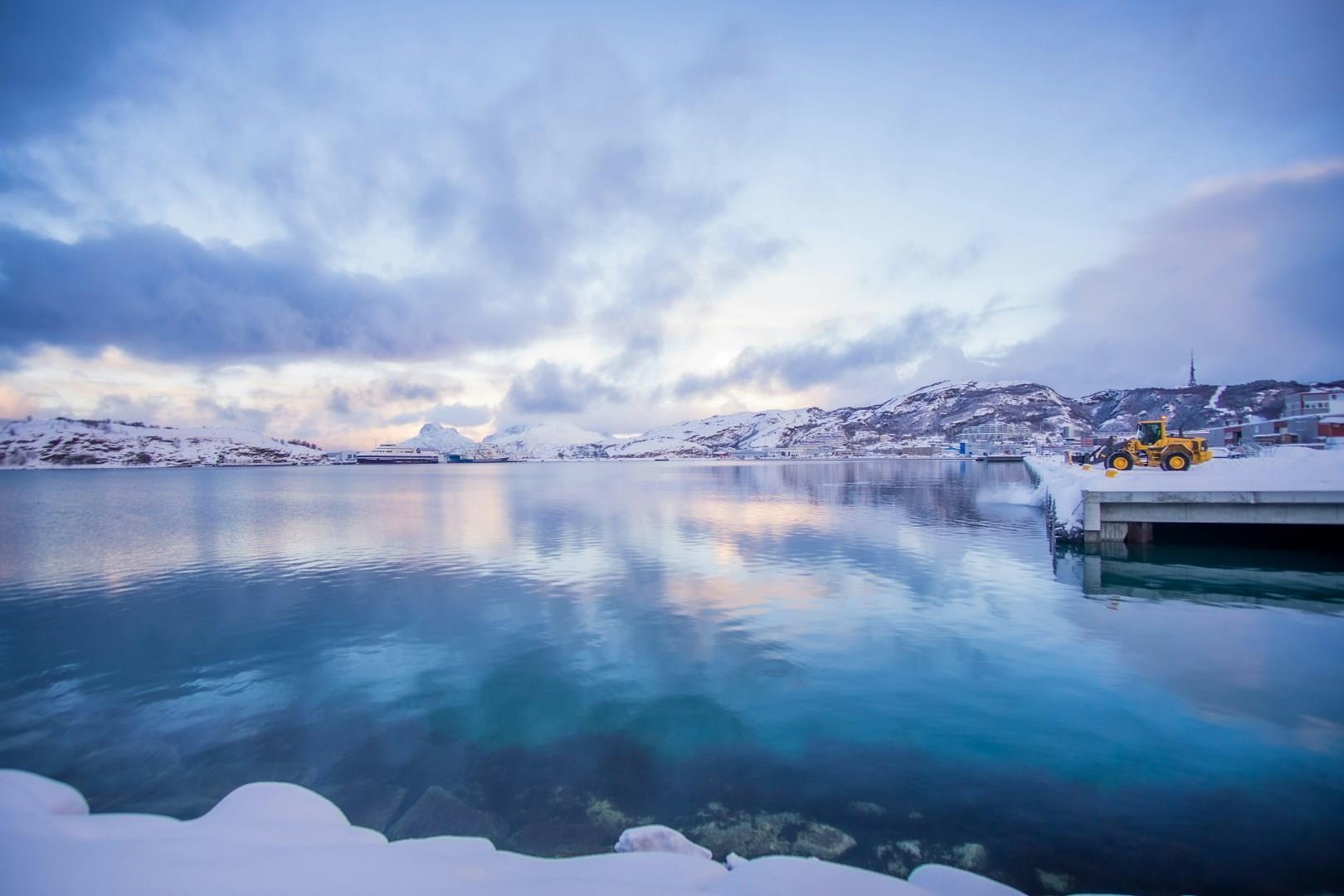
Bodo
Bodø, located just north of the Arctic Circle, is a coastal city where dramatic landscapes meet a surprising blend of modern culture and outdoor access. As the largest town in the Nordland region of Norway, Bodø has become a key stop along the Norwegian Scenic Route and a gateway to the Lofoten Islands. Located just a short drive away, the Saltstraumen maelstrom, which is one of the world’s strongest tidal currents, visitors can watch whirlpools form in the sea with astonishing power.
