

Spain
Spain offers a wide range of experiences shaped by centuries of layered history and regional diversity. From the Moorish palaces of Andalusia to the Roman aqueduct in Segovia and the Gaudí-designed landmarks of Barcelona, each city reflects a different chapter in Spain’s past. In Granada, the Alhambra still stands as a masterpiece of Islamic architecture, with detailed carvings, hidden courtyards, and panoramic views of the Sierra Nevada mountains.

Boracay
Boracay, a small island in the central Philippines, is famous for its white-sand beaches and clear turquoise waters. Despite its size, the island offers a wide range of activities, from swimming and snorkeling to paddleboarding and sailing.
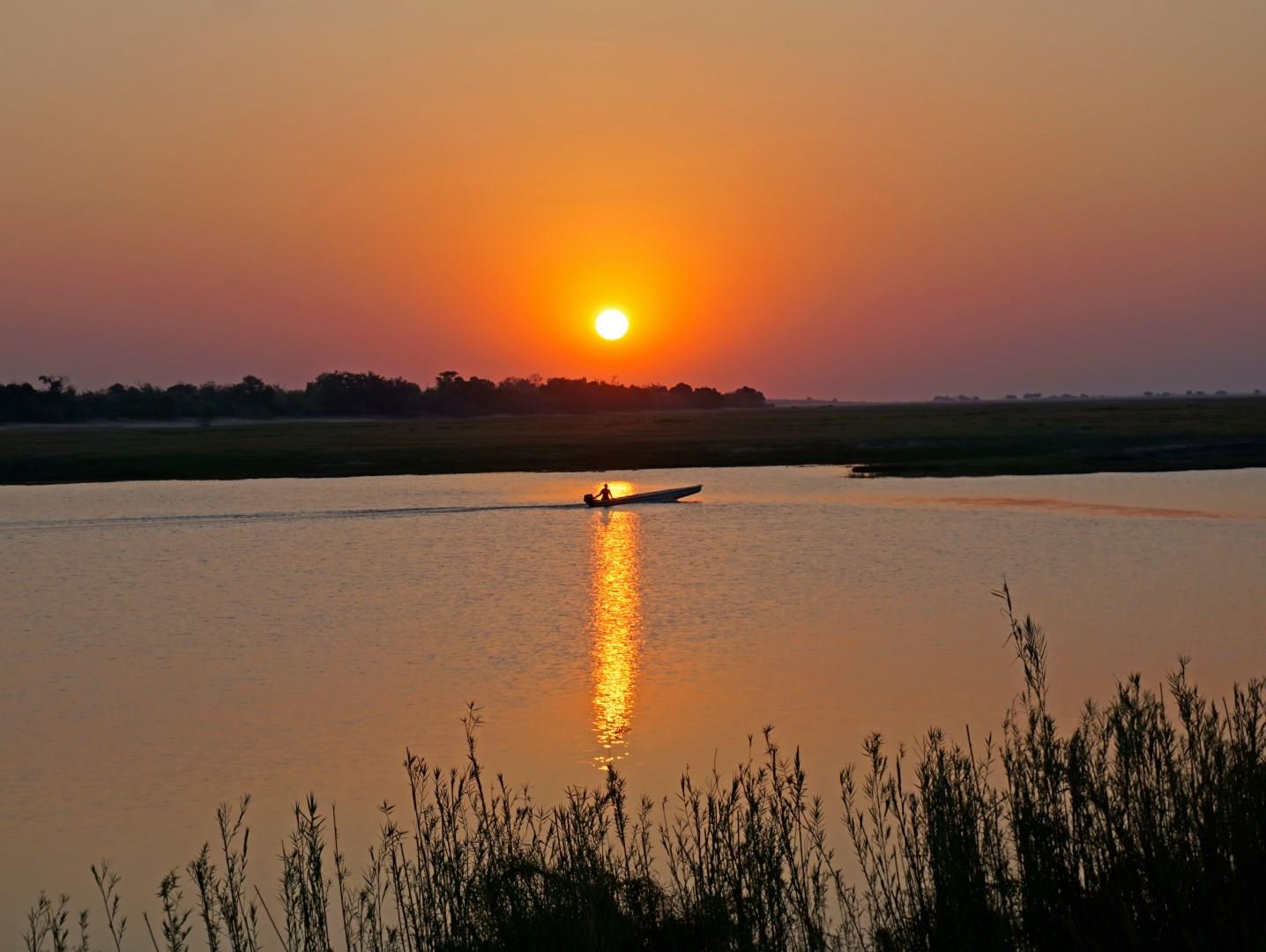
Chobe River
The Chobe River forms the northern boundary of the Chobe National Park. Animal lovers and safari enthusiasts know it as the place where the elephants congregate during winter's dry season and migrant birds are in full color during the wet summer months. The river itself is actually a section of the Cuando River, known as the Chobe from the seasonal lake Liambesi to its outflow at the Zambezi River.

Antigua & Barbuda
Antigua and Barbuda, a twin-island nation in the Caribbean, is celebrated for its 365 beaches, one for every day of the year. Together, they offer a balance of culture, heritage, and natural splendor.

Honduras
Honduras, located in the heart of Central America, is a destination that offers both hidden treasures and well-known wonders. The country’s history is deeply tied to the ancient Maya civilization, with the ruins of Copán, a UNESCO World Heritage Site, standing as one of the most impressive archaeological sites in the region.
