

Guatemala
Guatemala is a country where ancient history and living tradition meet in unexpected ways. The ruins of Tikal, once a major center of the Maya civilization, rise from the dense Petén jungle. Visitors can climb stone temples that pierce the forest canopy and listen for howler monkeys echoing through the trees. Tikal National Park, a UNESCO World Heritage Site, contains over 3,000 structures and still holds secrets under layers of earth and vegetation.

Machu Picchu
Machu Picchu is a story carved into stone, perched nearly 2,500 meters above sea level in the cloud forests of southern Peru. Built in the 15th century and later abandoned, this Inca citadel was unknown to the outside world until 1911, when explorer Hiram Bingham brought it to international attention. Today, it remains remarkably well-preserved, with more than 150 stone structures, terraced fields, ceremonial fountains, and temples aligned with astronomical events.
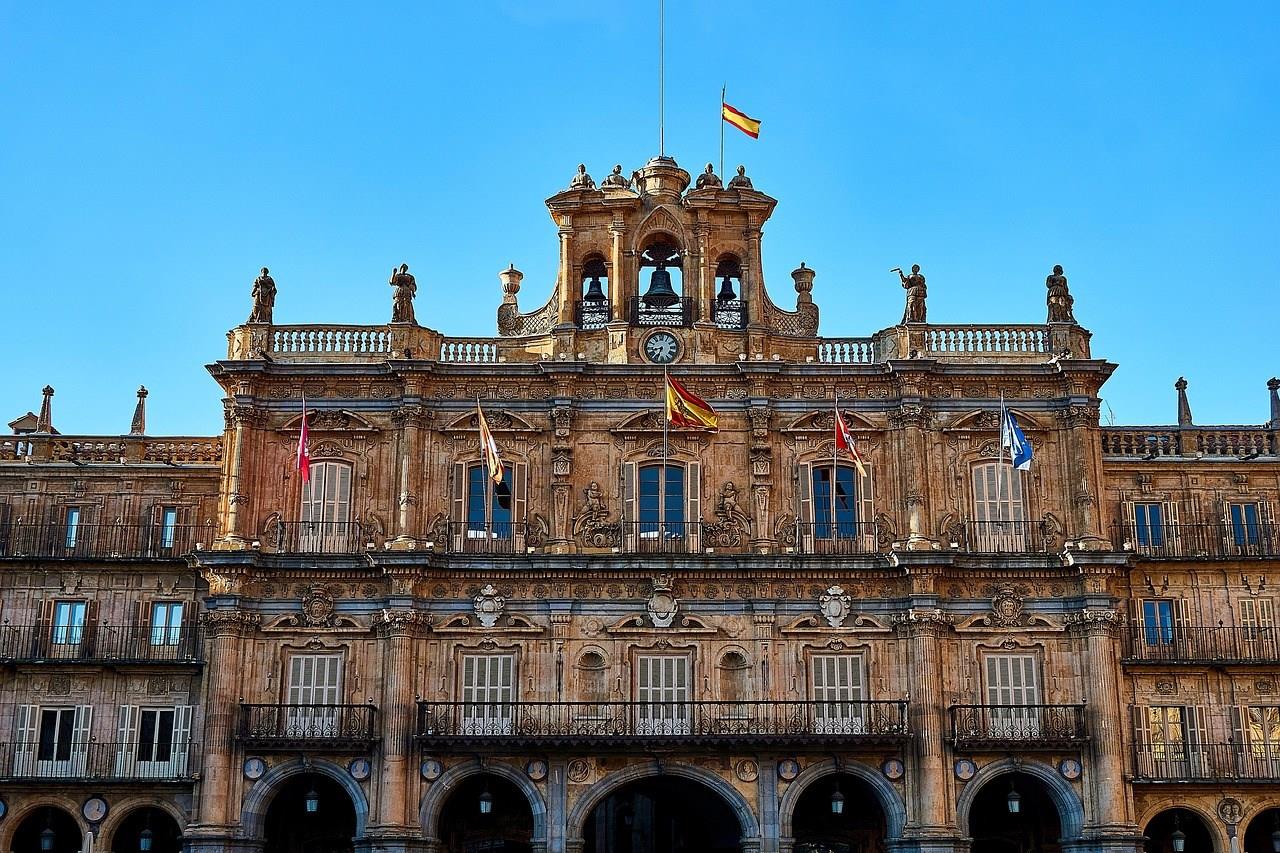
Salamanca
Salamanca, often called the “Golden City” for the warm glow of its sandstone buildings, is a place where centuries of stories are etched into every wall. Visit its historic center to wander through cobbled streets lined with architectural marvels. The University of Salamanca, founded in 1218, is one of the oldest in Europe and still buzzes with student life.

Aït Ben Haddou
Aït Benhaddou, located in southern Morocco along the former caravan route between the Sahara and Marrakesh, is one of the country’s most iconic historic sites. This fortified village, or ksar, is recognized as a UNESCO World Heritage Site and is admired for its striking earthen clay architecture that rises dramatically from the desert landscape.

Fiji
Fiji, a tropical haven in the heart of the South Pacific, is made up of over 330 islands, each with its own distinct character. The islands boast lush rainforests, soaring mountains, and white sandy beaches, offering a wide range of activities, from kayaking through calm lagoons and paddleboarding along scenic coastlines to zip-lining through lush rainforests and hiking across mountainous terrain.
