

Cuba
Cuba is an island nation where history, culture, and natural beauty intertwine in captivating ways. Known for its Spanish colonial architecture, vibrant music, and revolutionary legacy, the country offers a fascinating window into both the Caribbean and Latin American worlds. Havana, with its colorful facades, classic American cars, and lively plazas, embodies Cuba’s charm and resilience, while towns like Trinidad and Cienfuegos showcase UNESCO-listed heritage and a slower pace of life.

Antananarivo
Antananarivo, Madagascar’s vibrant capital, offers a unique blend of cultural richness and historical depth. Perched on a series of hills, the city’s layout is characterized by its steep streets and traditional architecture. The Royal Palace, or Rova of Antananarivo, is a central landmark, offering a glimpse into Madagascar's royal past. Although much of the palace was destroyed by fire in 1995, the site remains a significant cultural and historical monument.

Borgarfjörður
Borgarfjörður, nestled in the heart of West Iceland, offers a captivating blend of natural beauty and cultural heritage. The fjord, surrounded by dramatic mountains and lush green landscapes, provides a picturesque setting for outdoor enthusiasts and nature lovers. One of the highlights of the area is the magnificent Hraunfossar waterfalls, where crystal-clear water cascades over lava fields into the Hvítá River, creating a breathtaking spectacle.

Addo Elephant National Park
Nestled in the Eastern Cape of South Africa, Addo Elephant National Park offers a unique safari experience centered around one of the country’s most impressive wildlife spectacles. Established in 1931 to protect the last remaining elephants of the region, the park now spans over 1,640 square kilometers and is home to a thriving population of more than 600 elephants.
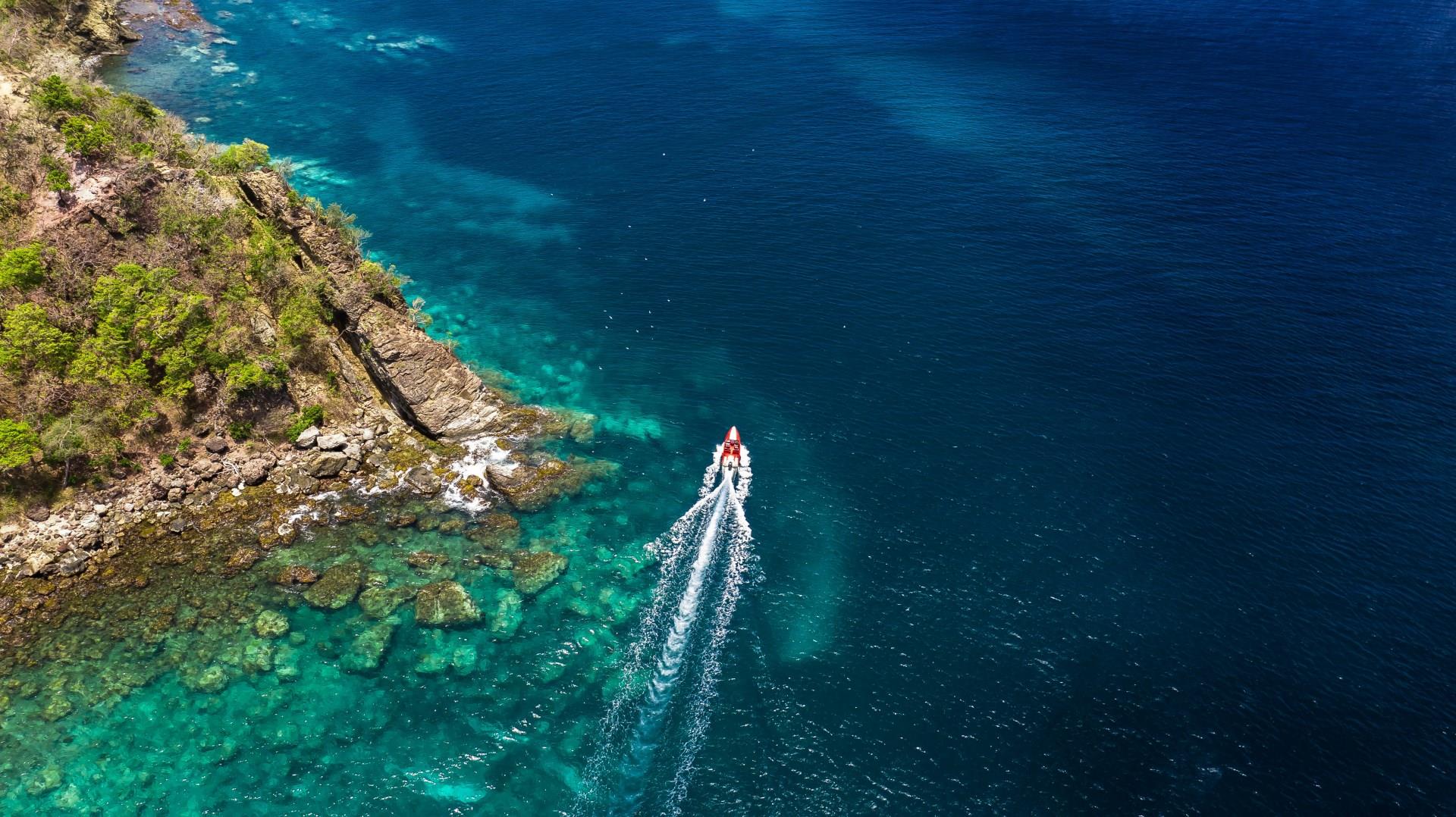
Carriacou
Carriacou, the largest of Grenada’s sister islands, offers a slower pace of life and an intimate window into traditional Caribbean culture. Known as the “Island of Reefs,” it is surrounded by vibrant coral systems that have long supported fishing and sailing traditions.
