
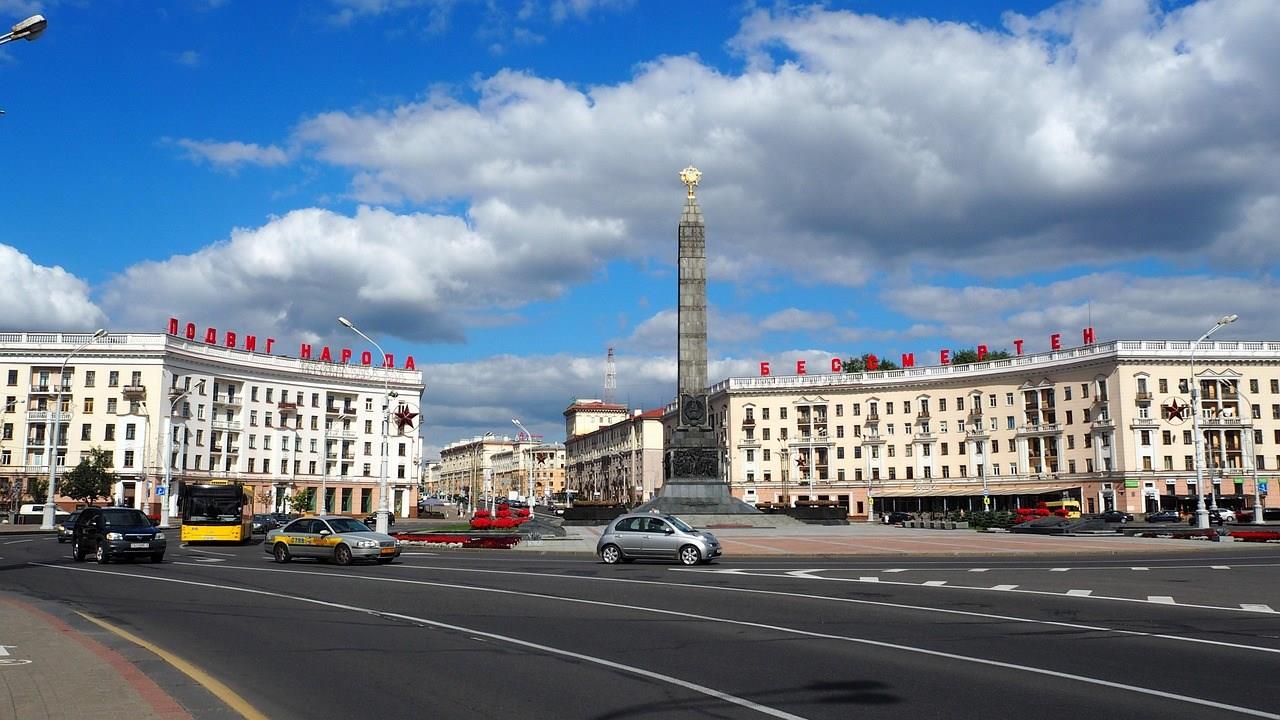
Minsk
Minsk, the capital of Belarus, is a city rich in history, culture, and architectural beauty. As one of the oldest cities in Europe, it has a unique charm that blends Soviet-era monumentalism with modern urban development.

Sao Vicente
Sao Vicente, one of Cape Verde’s most vibrant islands, is full of beautiful coastal scenery. Laginha Beach, just a short walk from the island's main city, Mindelo, is perfect for relaxing by the turquoise waters, while Sao Pedro Beach is known for its strong winds, making it a popular spot for windsurfing. For those who enjoy hiking, Monte Verde provides panoramic views of the island’s landscapes.
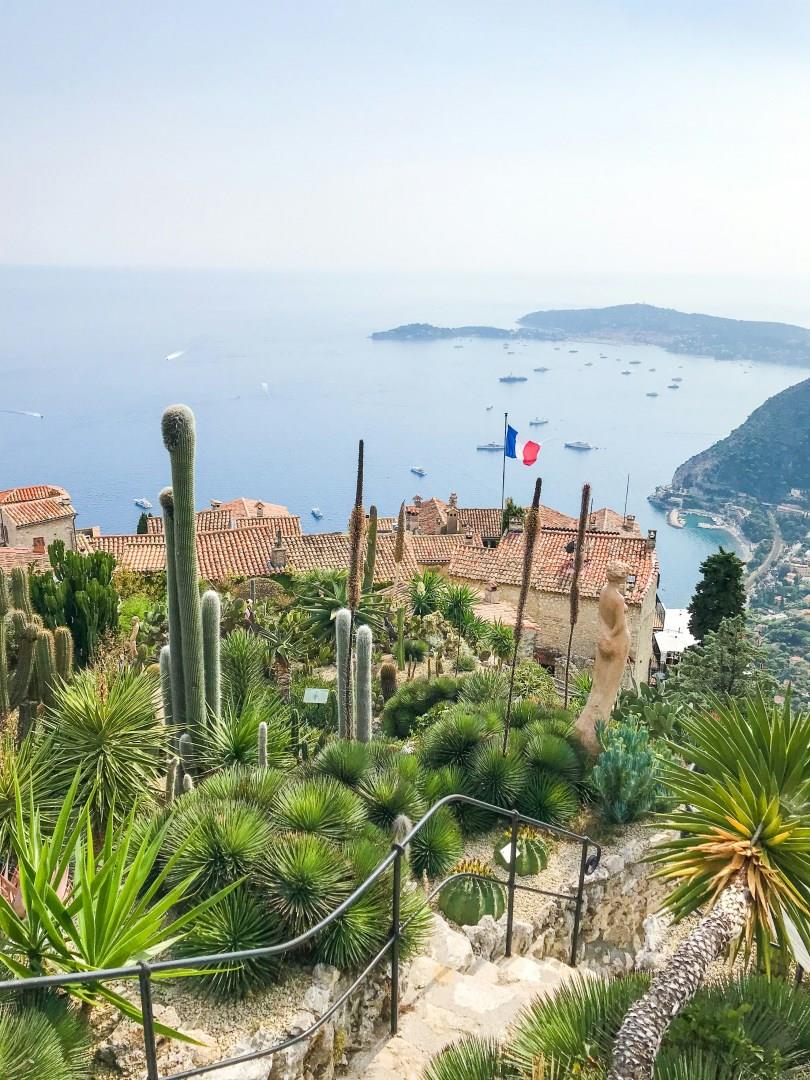
Èze
Eze is a hilltop village perched high above the Mediterranean on France’s Côte d’Azur, where stone houses and narrow lanes cling to a steep rocky outcrop between Nice and Monaco.

Mikumi National Park
Mikumi National Park, located in Tanzania's southern highlands, offers a pristine and relatively undiscovered safari experience. Spanning over 3,230 square kilometers, Mikumi is part of the larger Selous Ecosystem, providing a diverse range of habitats from open grasslands to dense miombo woodlands. This park is an excellent choice for those seeking a more tranquil alternative to the more frequented Serengeti and Ngorongoro Crater.

Algarve
The Algarve, Portugal's southernmost region, is a treasure trove of stunning landscapes and rich cultural experiences. Renowned for its breathtaking coastline, the Algarve boasts dramatic cliffs, golden sandy beaches, and crystal-clear waters. The coastline is dotted with picturesque towns like Lagos and Albufeira, which offer a blend of vibrant nightlife and tranquil beaches. The iconic Ponta da Piedade near Lagos is a must-see, with its striking rock formations and secluded caves that can be e
