

Accra
Accra, Ghana’s vibrant capital, blends coastal charm with an energetic urban atmosphere. Situated along the Atlantic Ocean, the city is a hub for arts, culture, and history, offering travelers a lively introduction to the country.
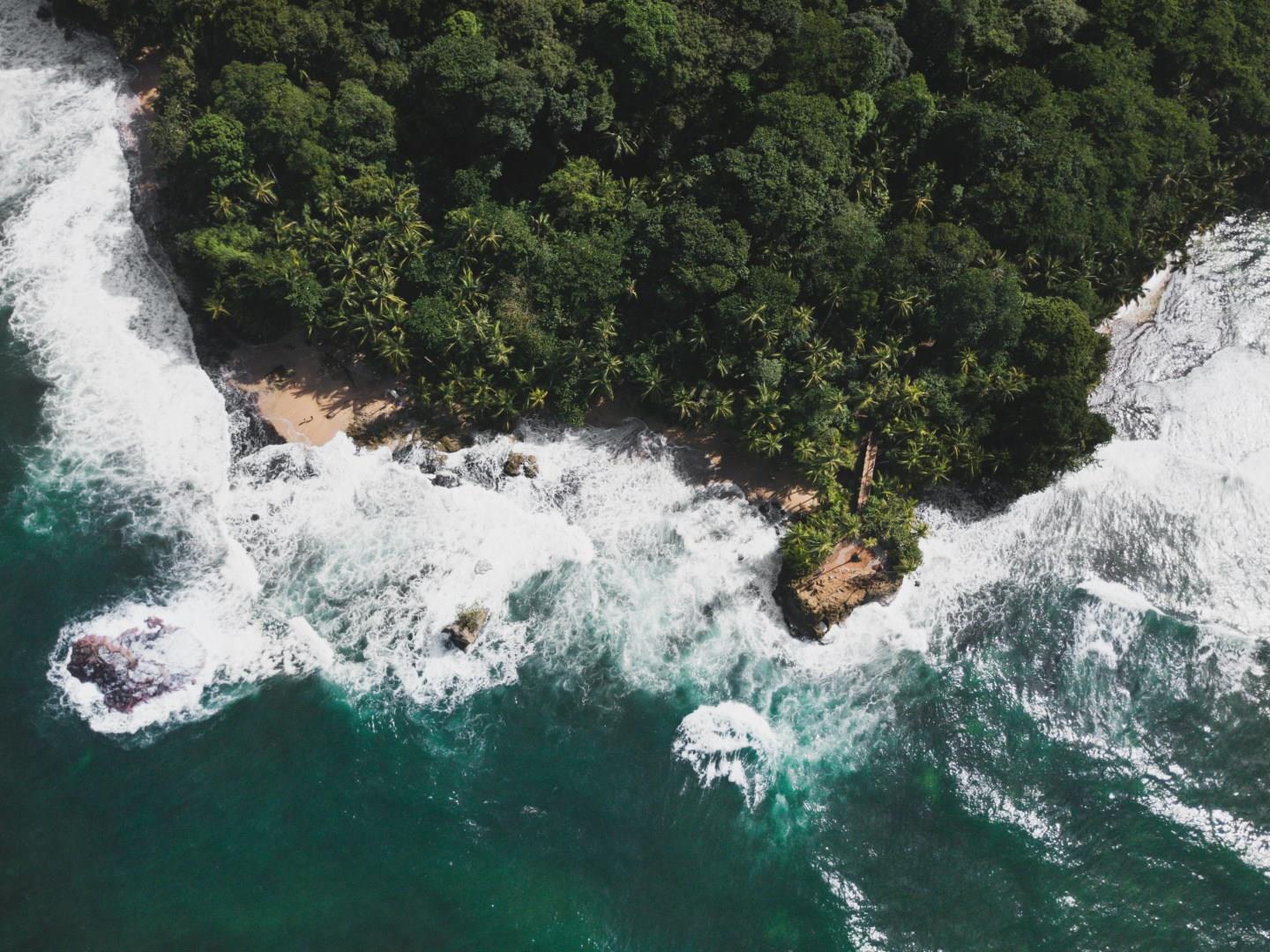
Limon
Limón, located on Costa Rica’s Caribbean coast, is a city shaped by Afro-Caribbean heritage, maritime trade, and lush tropical surroundings. Founded in the late 19th century as a port for exporting bananas and coffee, Limón developed a distinct cultural identity influenced by Jamaican, West African, and Central American traditions.

Cusco
Cusco once served as the heart of the Inca Empire, and that legacy still shapes every corner of the city even as it serves as a gateway to Machu Picchu. Outside the historic center, the ruins of Sacsayhuamán overlook the city from a nearby hilltop. This ceremonial complex is best known for its massive zigzag stone walls, some weighing over 100 tons. During the Inti Raymi festival in June, thousands gather here to reenact ancient Andean rituals.

Chiba
Chiba, located just east of Tokyo, is a dynamic prefecture that blends modern attractions with serene coastal and rural landscapes. Known for its role as the gateway to Japan’s capital, home to Narita International Airport, Chiba also stands on its own as a destination rich in culture, history, and nature.

Prince Edward Island
Located in the Gulf of St. Lawrence in southeastern Canada, Prince Edward Island has been nicknamed "The Garden of the Gulf." It was founded in 1534 by French Explorer Jacques Cartier and is primarily a fishing center and summer tourist destination.
