

Kirkwall Orkney Island
Kirkwall, the vibrant capital of the Orkney Islands, Scotland, is a place where history and culture intertwine with stunning natural landscapes. Founded by Norse settlers over a thousand years ago, Kirkwall is steeped in Viking heritage, with its centerpiece, the magnificent St. Magnus Cathedral, standing as a testament to the town’s medieval past.
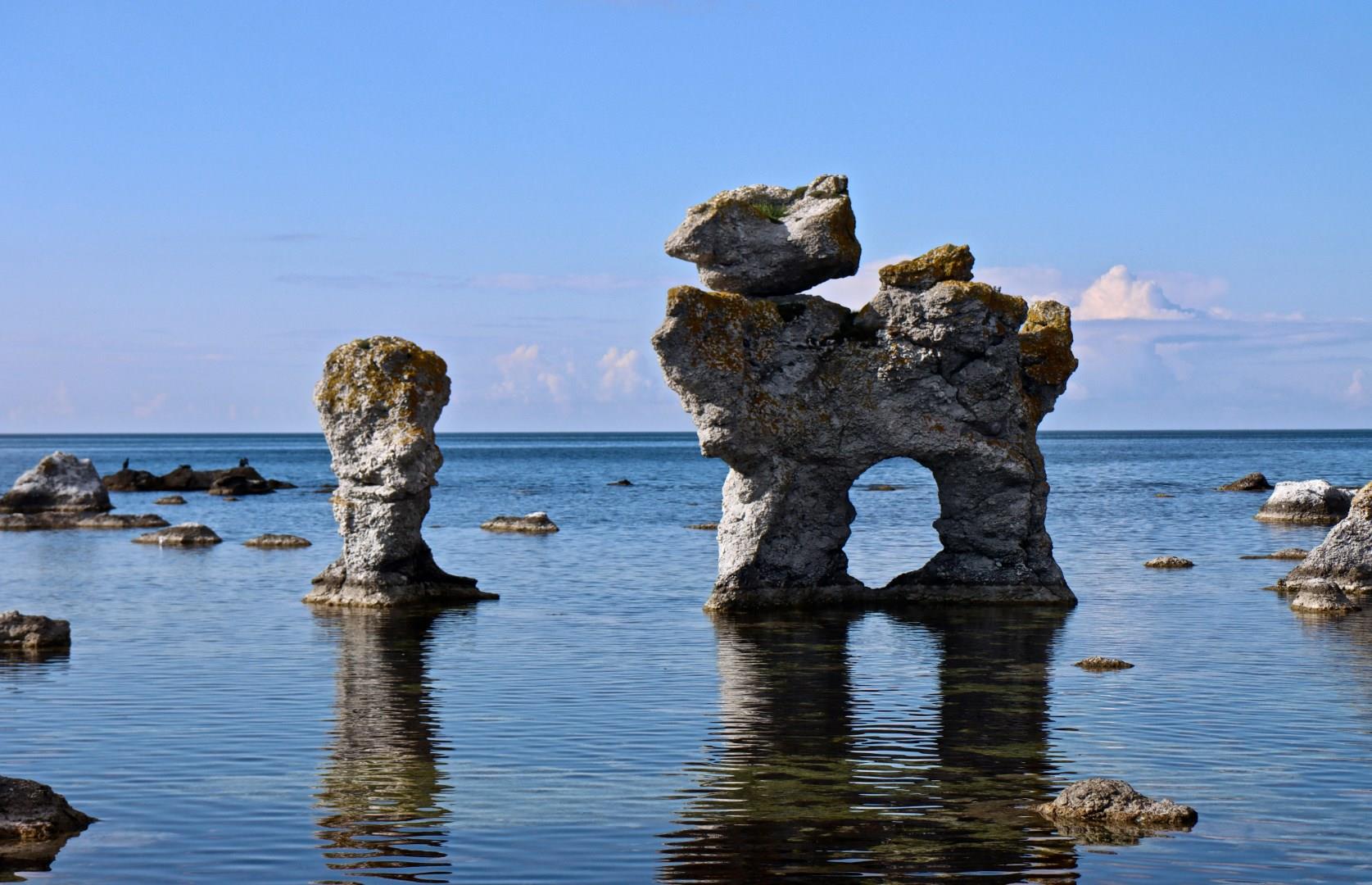
Gotland
Gotland, Sweden’s largest island, sits in the Baltic Sea and feels like a world of its own. Its main town, Visby, is a UNESCO World Heritage site and one of the best-preserved medieval towns in Northern Europe. Surrounded by a 3.5-kilometer stone wall with original towers still intact, Visby once served as a key Hanseatic trading hub. Visitors can walk along cobbled streets lined with rose-covered cottages, explore Gothic church ruins, and climb up the city wall for views over the harbor.

Kotor
This coastal town in Montenegro is part of the World Heritage Site dubbed the Natural and Culturo-Historical Region of Kotor. It holds several summer events, such as the Summer Carnival or Bokeljska Noc. One of the most notable and charming aspects of the town is the large population of cats that have become a symbol of the city.
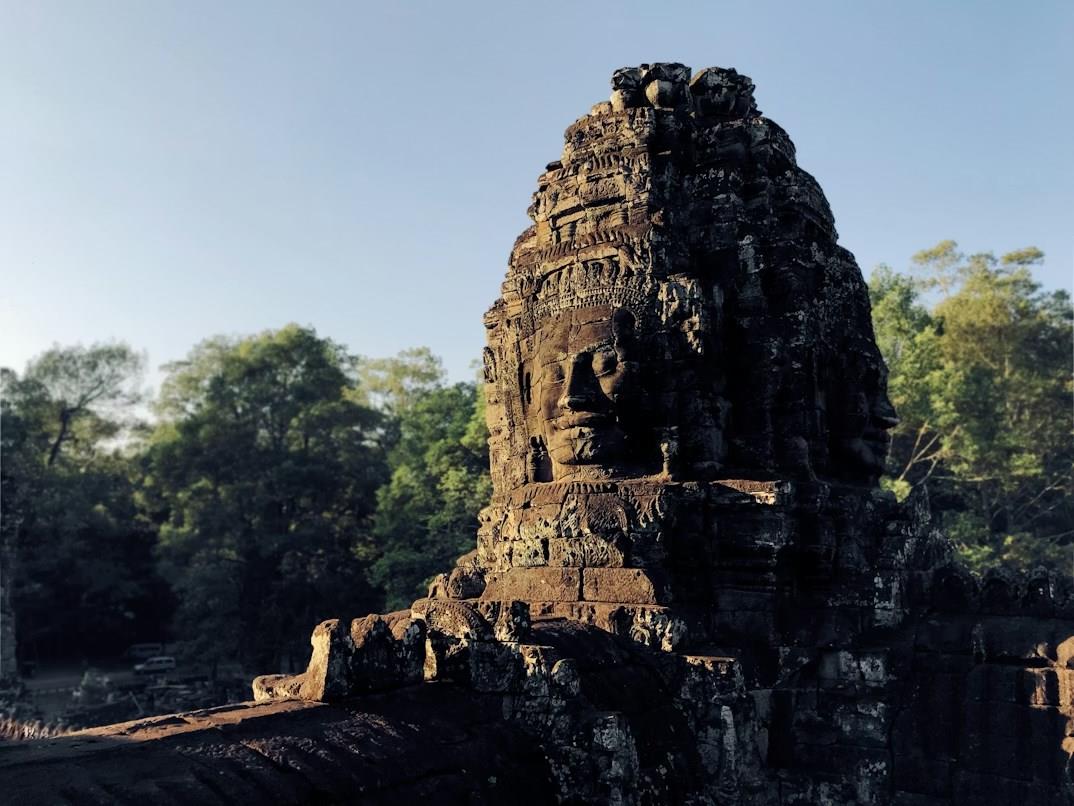
Angkor Thom
Angkor Thom was the last great capital of the Khmer Empire, established in the late 12th century under King Jayavarman VII in what is now northwestern Cambodia. Enclosed by massive stone walls and a wide moat, the city was designed as both a political center and a sacred landscape, symbolizing the cosmic order of the Khmer worldview.

Semarang
Semarang is a port city on the north coast of Java, shaped by centuries of trade, migration, and cultural exchange. As an important hub during the Dutch colonial period, it developed into a city where Javanese traditions intersect with European and Chinese influences.
