
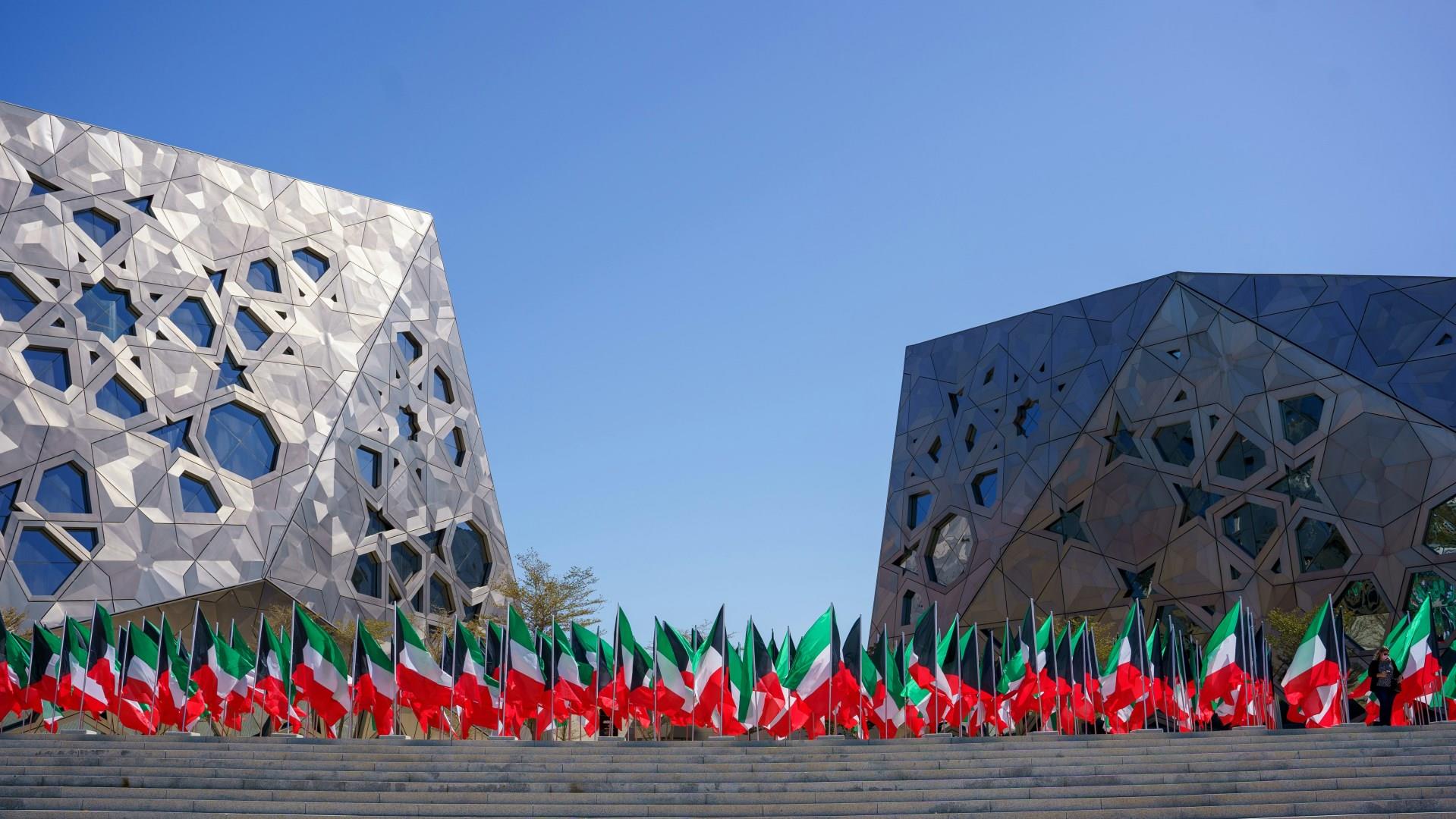
Kuwait City
Kuwait City began as a modest fishing village and has evolved into a modern metropolis. The city's history is deeply rooted in its maritime heritage. The Dhow Harbour in Kuwait City offers a captivating glimpse into the nation's rich maritime past. Historically, dhows were essential for trade, fishing, and pearl diving, shaping Kuwait's economic and cultural identity. Today, the harbor remains a vibrant testament to this legacy, housing a variety of traditional wooden ships.
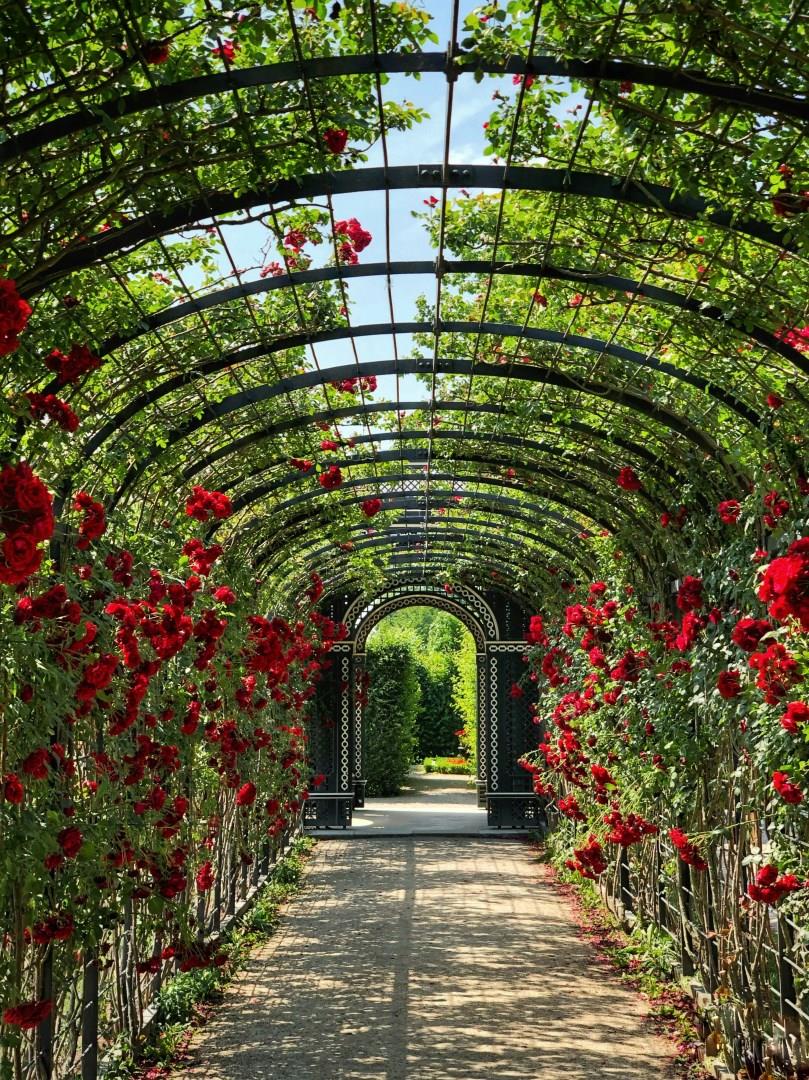
Vienna
Vienna has a long memory. Once the capital of the Habsburg Empire, the city still carries signs of its imperial past in its palaces, concert halls, and wide boulevards. Visitors can walk through the Hofburg complex, where emperors once ruled, or tour the opulent rooms of Schönbrunn Palace, which features 1,441 rooms and a maze in its gardens. But Vienna’s many historic buildings now house contemporary art museums, cafés, and institutions that reflect the city’s modern identity.

Cancún
Resorts, beaches and a buzzing nightlife can all be found in Cancún, a popular tourist destination located on the Yucatán Peninsula.

Burkina Faso
Who would have thought, back in the tumultuous coup and counter coup days of the 1970s, that Burkina Faso would become the cultural darling of West Africa? Unlikely as it seems, Burkina Faso has become the Utah of West Africa, hosting a biennial film festival that rivals the Sundance Film Festival for cultural clout. When it's not hosting film festivals, it's busy organizing its other biennial cultural festival.

Monaco
Known for its glitzy image, Monaco is home to some of the world’s most famous attractions, including the iconic Monte Carlo Casino, the historic Prince's Palace, and the prestigious Formula 1 Grand Prix.
