
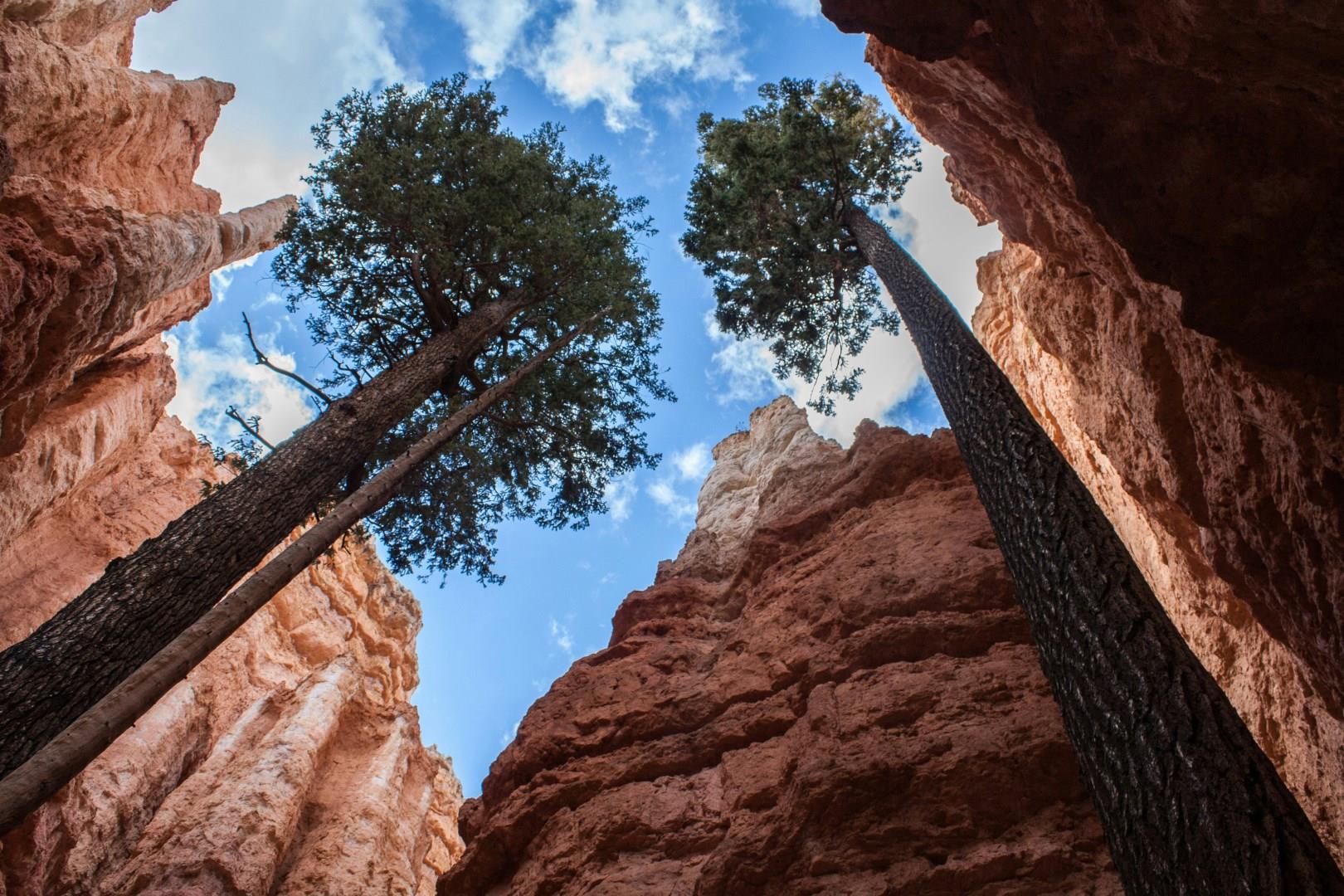
Bryce Canyon
Bryce Canyon, tucked into the high plateaus of southern Utah, offers one of the most unusual landscapes in the American Southwest. It’s not actually a canyon but a series of natural amphitheaters carved into the edge of the Paunsaugunt Plateau. What makes Bryce unique is its dense collection of hoodoos which are tall, thin spires of rock formed over millions of years by frost-wedging and erosion.

Bruges
Bruges, often referred to as the "Venice of the North," is a city where medieval charm meets modern allure. Nestled in the heart of Belgium's Flanders region, Bruges is renowned for its well-preserved medieval architecture, winding canals, and cobblestone streets that invite visitors to step back in time.

Southampton
Southampton is a city shaped by the sea. Located on the southern coast of England, it has been a key maritime port for centuries. In 1912, the RMS Titanic set sail from its docks, and today, the SeaCity Museum tells the story through the lives of local residents connected to the voyage. The medieval city walls, which are some of the best-preserved in England, still stand, offering a walk through time with views of old merchant houses, towers, and hidden vaults once used to store wine and wool.

Mara River
The Mara River in Tanzania is a natural wonder that draws adventurers and wildlife enthusiasts alike. Flowing through the heart of the Serengeti and into Kenya’s Maasai Mara, this river is best known as the lifeblood of the Great Migration. Each year, from July to October, millions of wildebeest, zebras, and gazelles make a perilous crossing of the Mara. It’s a spectacle of nature that leaves visitors in awe, making it one of Africa’s most sought-after safari experiences.
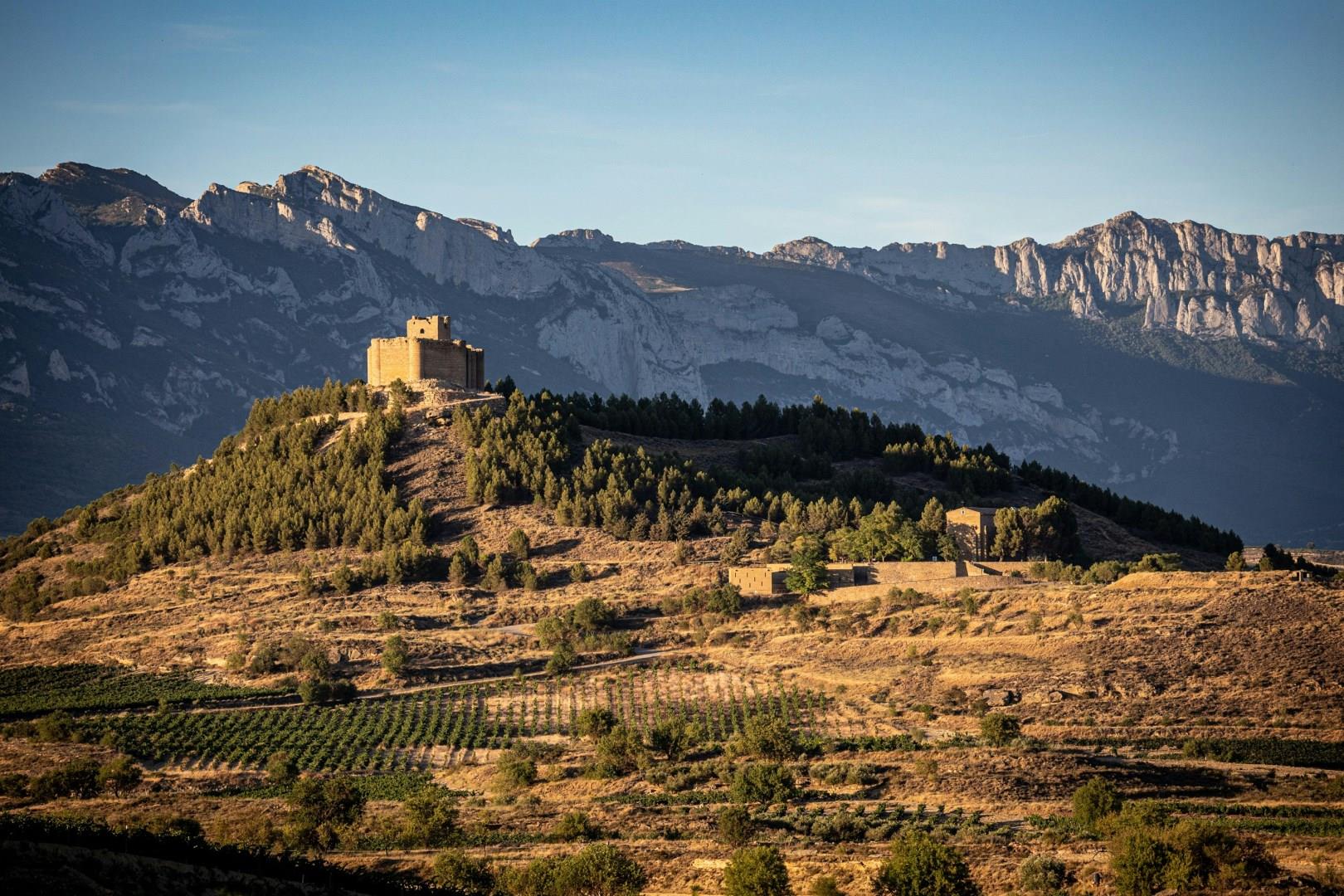
La Rioja
La Rioja, located in northern Spain, is best known for its wine, but the region offers much more than vineyard views. Its capital, Logroño, sits along the Camino de Santiago and has welcomed travelers for centuries. The city’s historic center is compact and lively, with narrow streets lined by centuries-old churches, pintxo bars, and quiet plazas.
