

Marzamemi Sicily
Marzamemi, a small fishing village on the southeastern coast of Sicily, offers an authentic taste of Mediterranean charm. Known for its picturesque stone buildings, vibrant piazzas, and crystal-clear waters, Marzamemi captures the essence of coastal life in Sicily. The town’s centerpiece is Piazza Regina Margherita, surrounded by rustic houses and lively seafood restaurants where visitors can savor the fresh catch of the day.

Trinidad & Tobago
Trinidad and Tobago is a nation of contrasts, where vibrant cultural traditions meet diverse natural landscapes. Together, the two islands balance energy and relaxation, heritage and nature.

Salt Lake City
The capital of Utah, Salt Lake City is a spectacular destination set amid the Wasatch Mountains. Ski resorts and a wealth of outdoor activities can be found here, along with performing arts, breweries and fine dining.

Jeddah
Jeddah sits along Saudi Arabia’s Red Sea coast and has long served as a gateway between the Arabian Peninsula and the wider world. For centuries, merchants, pilgrims, and travelers passed through its port on the way to Mecca, shaping a city known for openness and exchange.
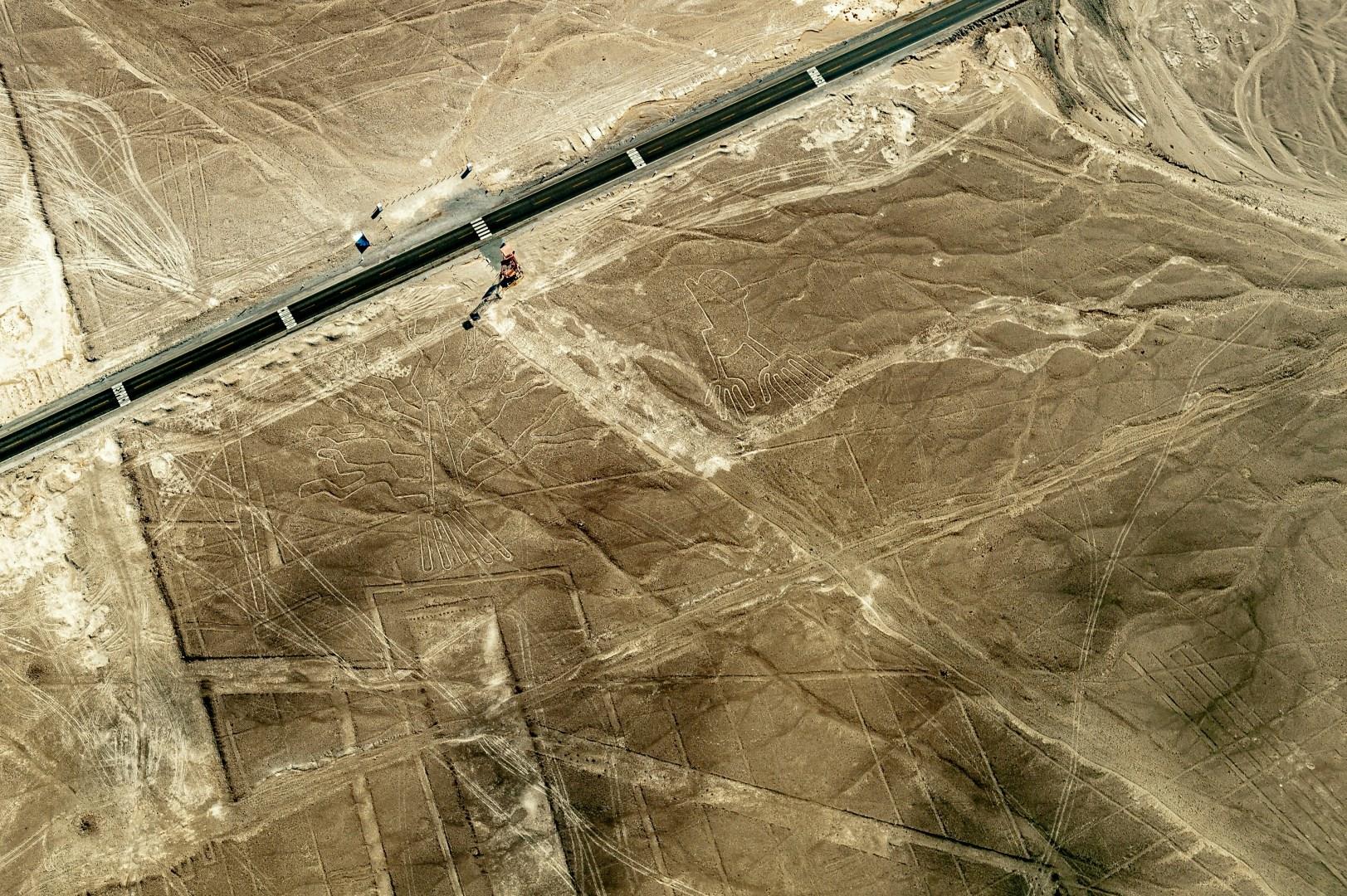
Nazca
In the southern deserts of Peru, Nazca invites visitors to look beyond the horizon. This small city is world-famous for the mysterious Nazca Lines, enormous geoglyphs etched into the desert floor more than 1,500 years ago. From the air, shapes like hummingbirds, monkeys, and even a stylized astronaut come into view, some stretching over 300 meters. Their exact purpose remains a mystery, fueling decades of theories.
