

Muscat
Travelers on the Arabian Sea often find themselves in Muscat, on the Gulf of Oman. This port capital is situated between ocean and mountains, and boasts lovely beaches, great diving sites (watch for turtles!), 16th-century forts, and the impressive Sultan Qaboos Grand Mosque, which can hold 20,000 people.
Montenegro
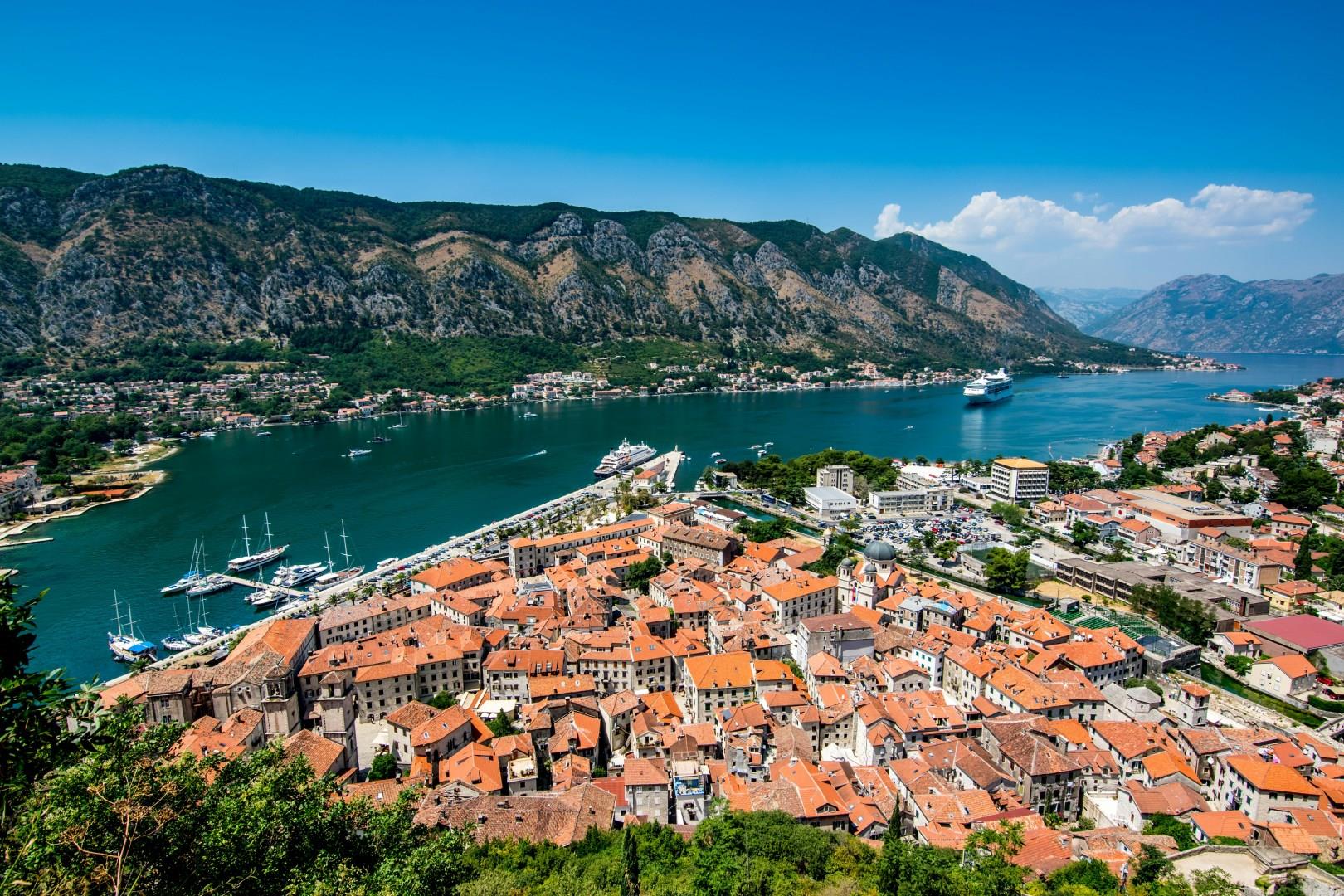
Montenegro, set along the Adriatic Sea, draws travelers with its dramatic landscapes and layered history. The Bay of Kotor, often mistaken for a fjord, is actually a submerged river canyon surrounded by steep cliffs and medieval towns. Kotor itself, a UNESCO World Heritage site, is enclosed by ancient fortifications that visitors can climb for panoramic views stretching from terracotta rooftops to the sea.

Nha-Trang
Nha Trang, located on Vietnam's southern coastline, is a vibrant city renowned for its stunning beaches and dynamic culture. This coastal paradise boasts a 6-kilometer stretch of golden sand along Nha Trang Beach, where turquoise waters meet palm-fringed shores, perfect for sunbathing and swimming.
Luxembourg
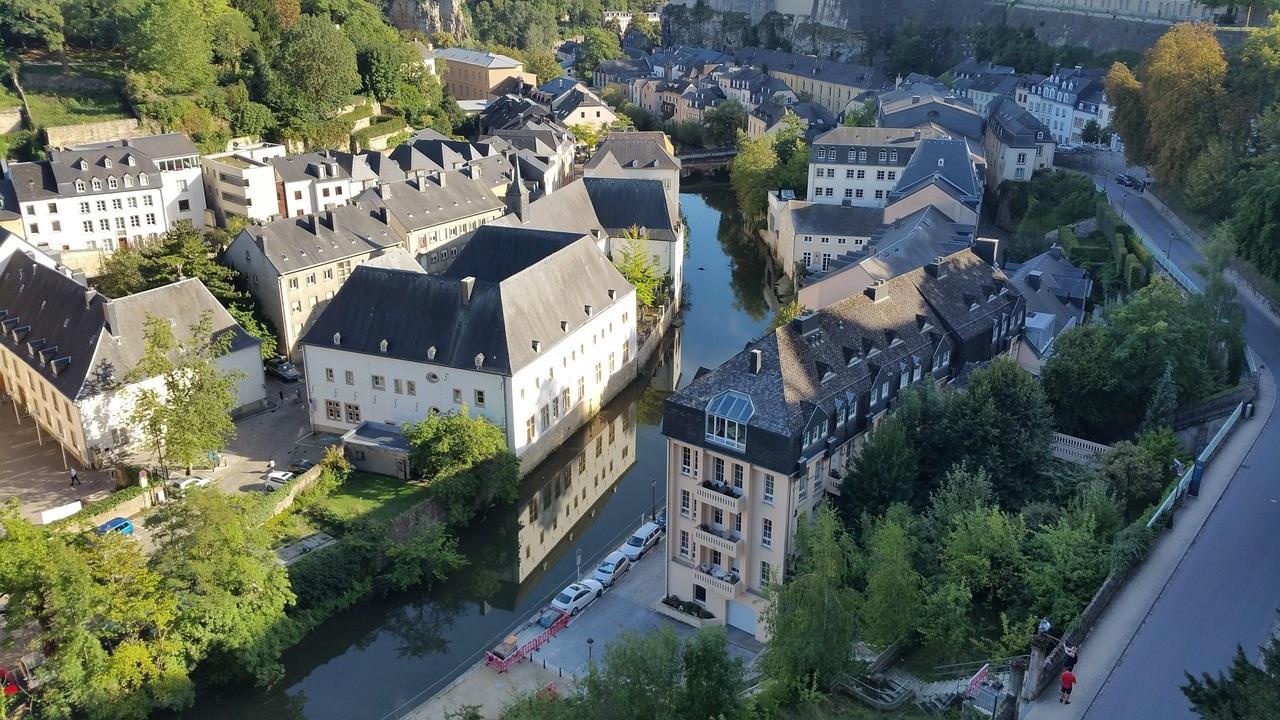
Luxembourg, a small yet influential country in the heart of Europe, offers visitors a rich blend of historic sites and contemporary culture. The capital city, Luxembourg City, is famous for its dramatic cliffs and ancient fortifications that have earned it a UNESCO World Heritage status. Walking through the old quarters, visitors can explore the casemates that reveal layers of the city’s military past.

Santa Cruz de Tenerife
The city of Santa Cruz De Tenerife, located on the island of Tenerife, is a favorite stop for Transatlantic voyagers. Tenerife is both the largest and most populated of the seven Canary Islands and of Spain itself. As the island's main city, Santa Cruz De Tenerife is home to almost half of the island's population.
