
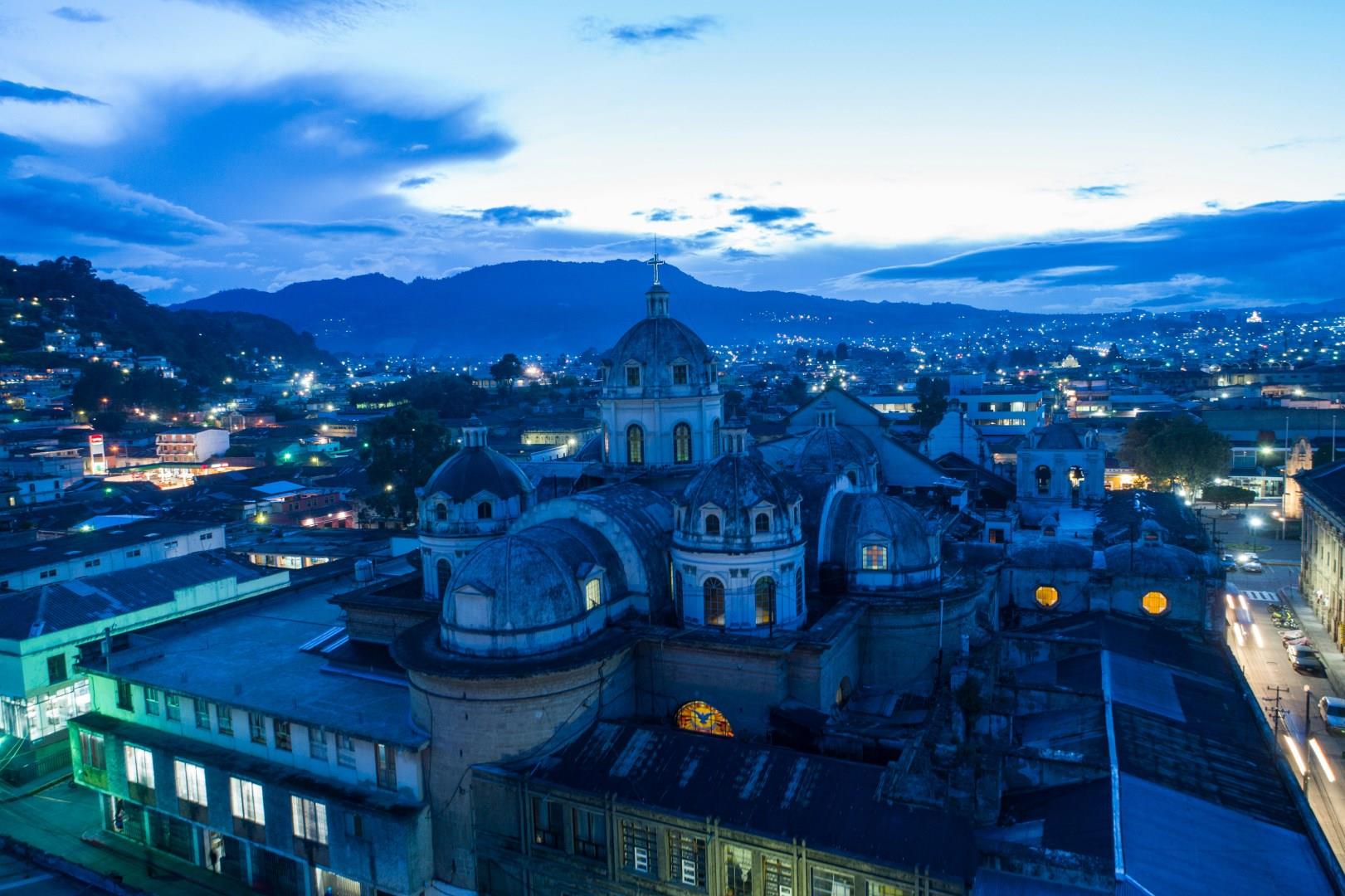
Quetzaltenango
Quetzaltenango, often called Xela by locals, is Guatemala’s second-largest city and a hub of indigenous culture, colonial history, and highland landscapes. Surrounded by volcanoes, including the towering Santa María, the city sits at over 7,600 feet above sea level, giving it a crisp mountain climate that contrasts with the country’s tropical lowlands.
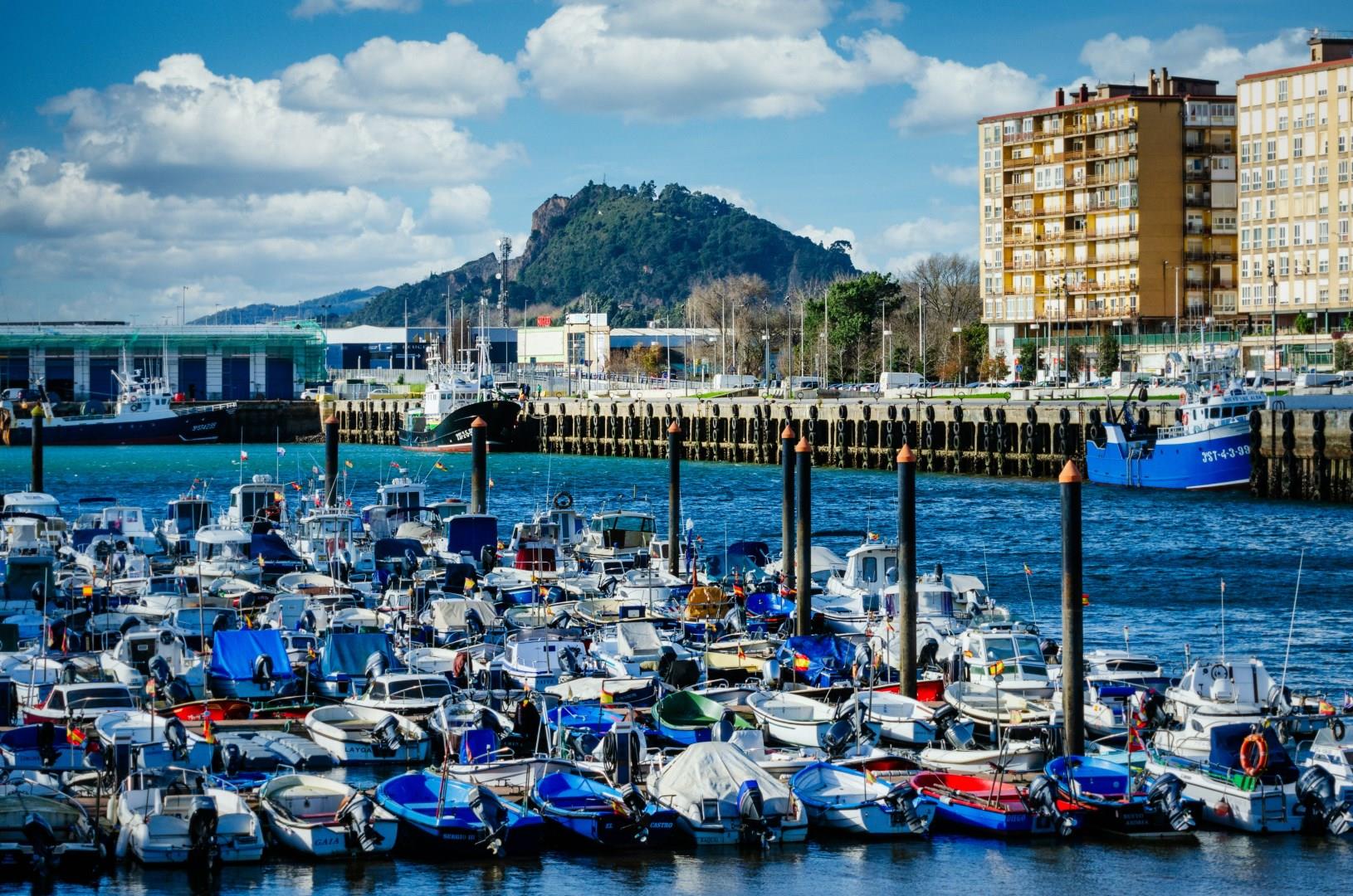
Santander
Santander, the capital of Spain’s Cantabria region, sits along the Bay of Biscay and offers travelers a mix of coastline, culture, and history shaped by centuries of maritime life. Once a bustling port for Castilian exports, Santander saw its golden age in the 19th century when Spanish royalty turned it into a summer retreat. The legacy of that era remains visible at the Palacio de la Magdalena, perched on a peninsula with views of the sea and home to royal stables, a mini zoo, and guided tours.

Longyearbyen
Longyearbyen, the northernmost settlement of its size in the world, offers a unique and captivating experience in the Arctic archipelago of Svalbard, Norway. Nestled between icy peaks and sprawling glaciers, this remote town is a gateway to exploring the rugged beauty of the Arctic landscape.

Oporto
The city of Oporto is situated on the right bank of the River Douro, being the second largest city of the country. Oporto is the regional capital of the northern area.

Bad Schandau
Nestled in the heart of Saxon Switzerland, Bad Schandau, Germany, is a picturesque spa town that enchants visitors with its stunning natural landscapes, historic charm, and wellness offerings. Set along the banks of the Elbe River and surrounded by the towering sandstone cliffs of the Elbe Sandstone Mountains, Bad Schandau serves as a gateway to the breathtaking Saxon Switzerland National Park.
