

Trinidad & Tobago
Trinidad and Tobago is a nation of contrasts, where vibrant cultural traditions meet diverse natural landscapes. Together, the two islands balance energy and relaxation, heritage and nature.
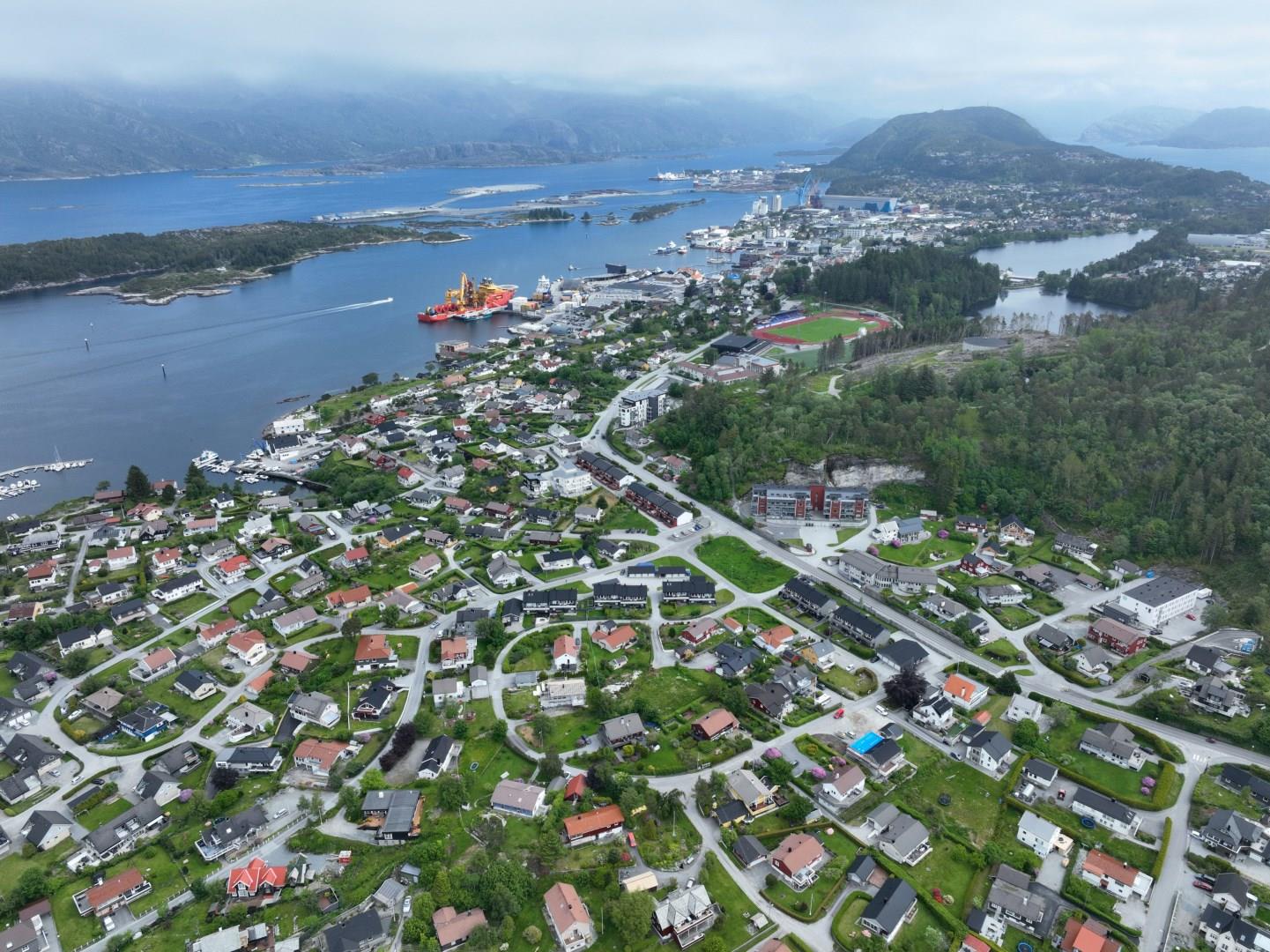
Florø
Florø, the westernmost town in Norway, sits right at the edge of the sea as a small, coastal town with deep maritime roots and front-row views of the North Atlantic. Established in 1860 as a herring fishing hub, Florø still carries the rhythm of the ocean in daily life. Though small in size, the town serves as a jumping-off point to explore the rugged coastline, scenic fjords, and a collection of islands that each have their own stories and scenery.
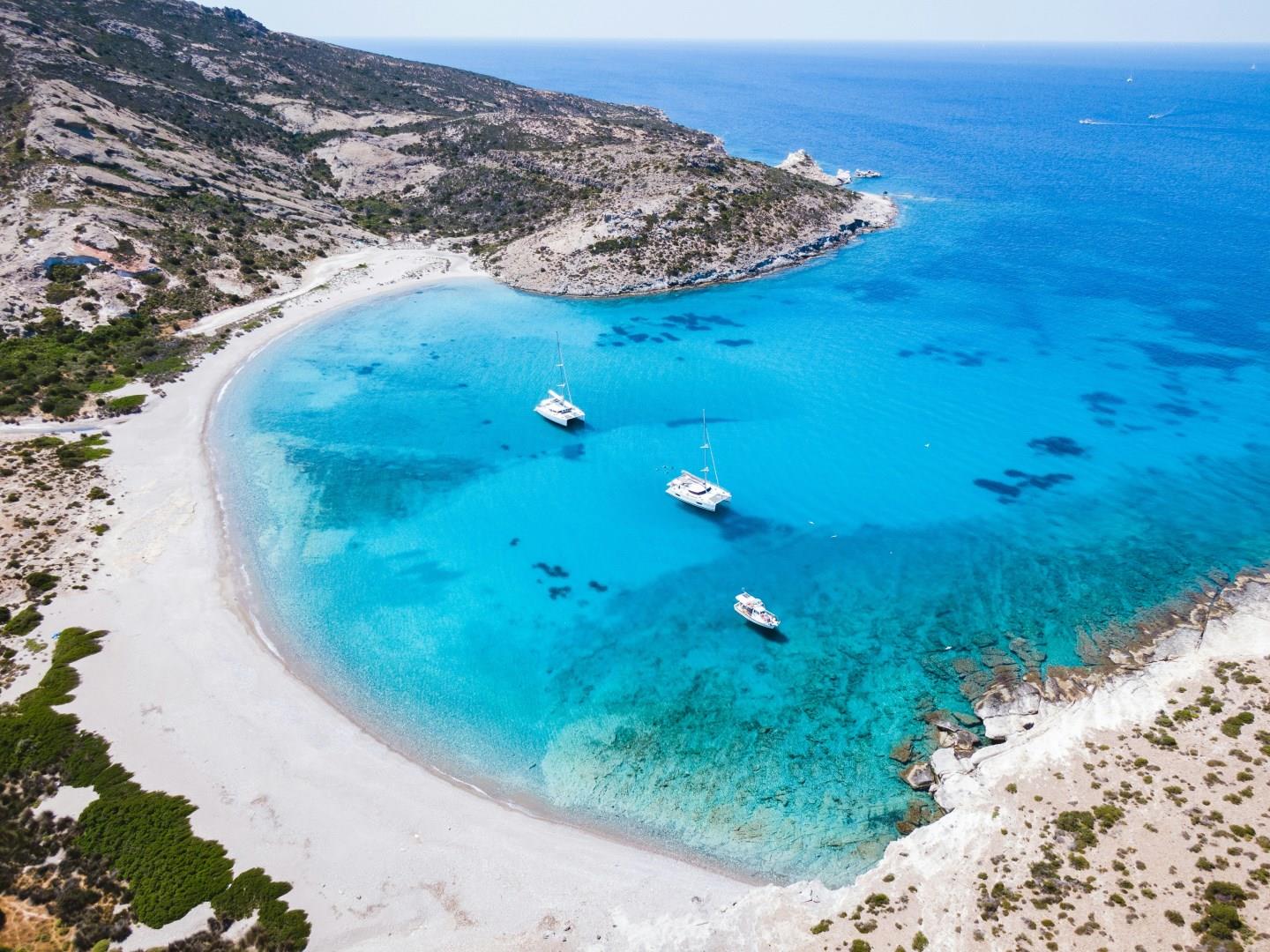
Milos
Milos is one of the most striking islands in the Aegean Sea, known for its otherworldly landscapes, turquoise coves, and centuries-old history. Shaped like a horseshoe, the island was formed by volcanic activity which left behind dramatic cliffs and hidden beaches carved from soft white rock. Visitors often find their first glimpse of Milos unforgettable, especially at Sarakiniko Beach where smooth, chalk-white formations contrast with the vivid blue water.

La Digue
La Digue, the fourth-largest island in the Seychelles, offers a quintessential tropical paradise experience. Known for its idyllic beaches and charming laid-back atmosphere, La Digue is a haven for nature lovers and those seeking a serene escape. The island’s most iconic beach, Anse Source d'Argent, is renowned for its stunning granite boulders and crystal-clear waters, making it one of the most photographed beaches in the world.

Silistra
Silistra, a charming city located on the southern bank of the lower Danube River in Bulgaria, is a hidden gem that seamlessly blends ancient history with natural beauty.
