

Gjógv
Nestled in the stunning landscape of Eysturoy in the Faroe Islands, Gjógv is a picturesque village that feels like a scene straight out of a fairy tale. Known for its dramatic cliffs and tranquil surroundings, Gjógv is named after the natural gorge that cuts into its coastline. The gorge, stretching 200 meters inland, serves as a natural harbor and has long been a lifeline for the village's fishing industry.
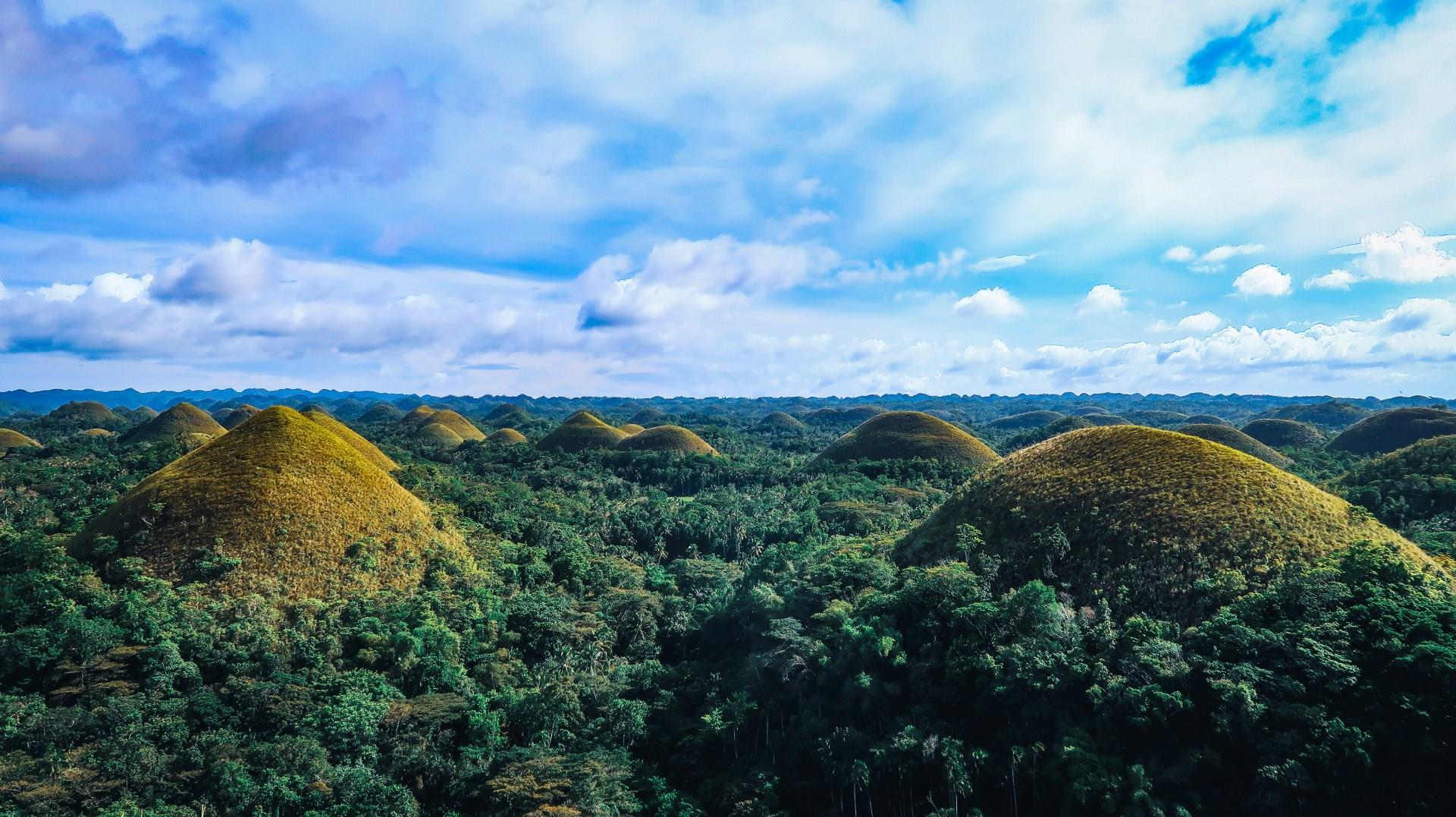
Bohol
Bohol sits in the central Philippines, shaped by early Spanish contact and long-established rural communities. The island is known for its historic churches and for maintaining strong ties to agriculture and local governance, which have helped preserve a sense of continuity.
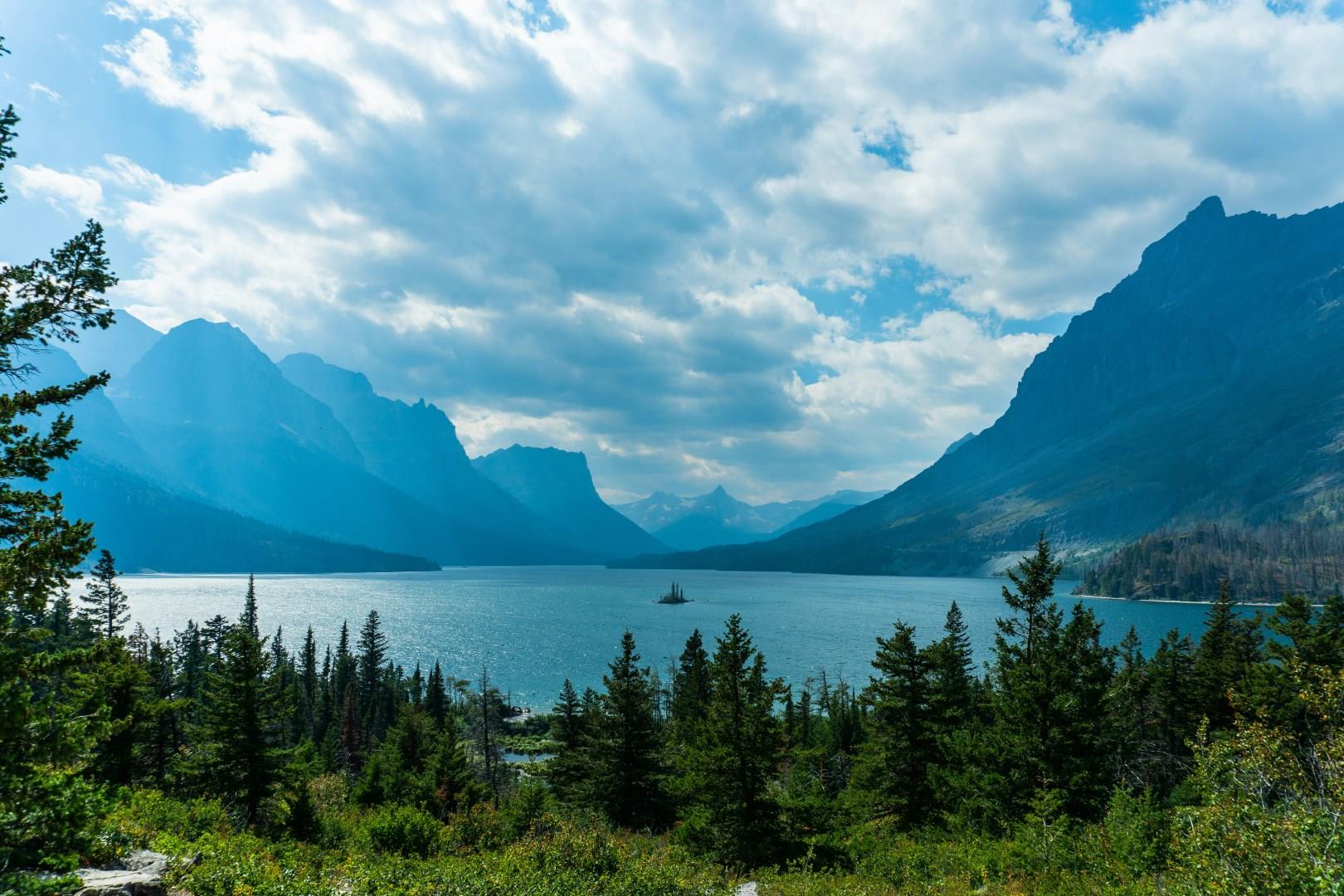
Glacier National Park
Glacier National Park is a stunning natural wonderland renowned for its dramatic landscapes and abundant wildlife. This vast expanse of pristine wilderness covers over a million acres and is a sanctuary for outdoor enthusiasts and nature lovers alike. The park is famous for its iconic Going-to-the-Sun Road, a scenic drive that winds through the heart of the park and offers breathtaking views of towering peaks, lush valleys, and pristine lakes.

Bordeaux
Bordeaux is ready for its close-up! After years of improvements, modern public transportation is in place and the city is gleaming after a wave of restorations. When visiting this lovely destination, be sure to walk across the Garonne River-spanning Stone Bridge (17 arches in all!) and see Place des Quinconces, France's grandest public square.
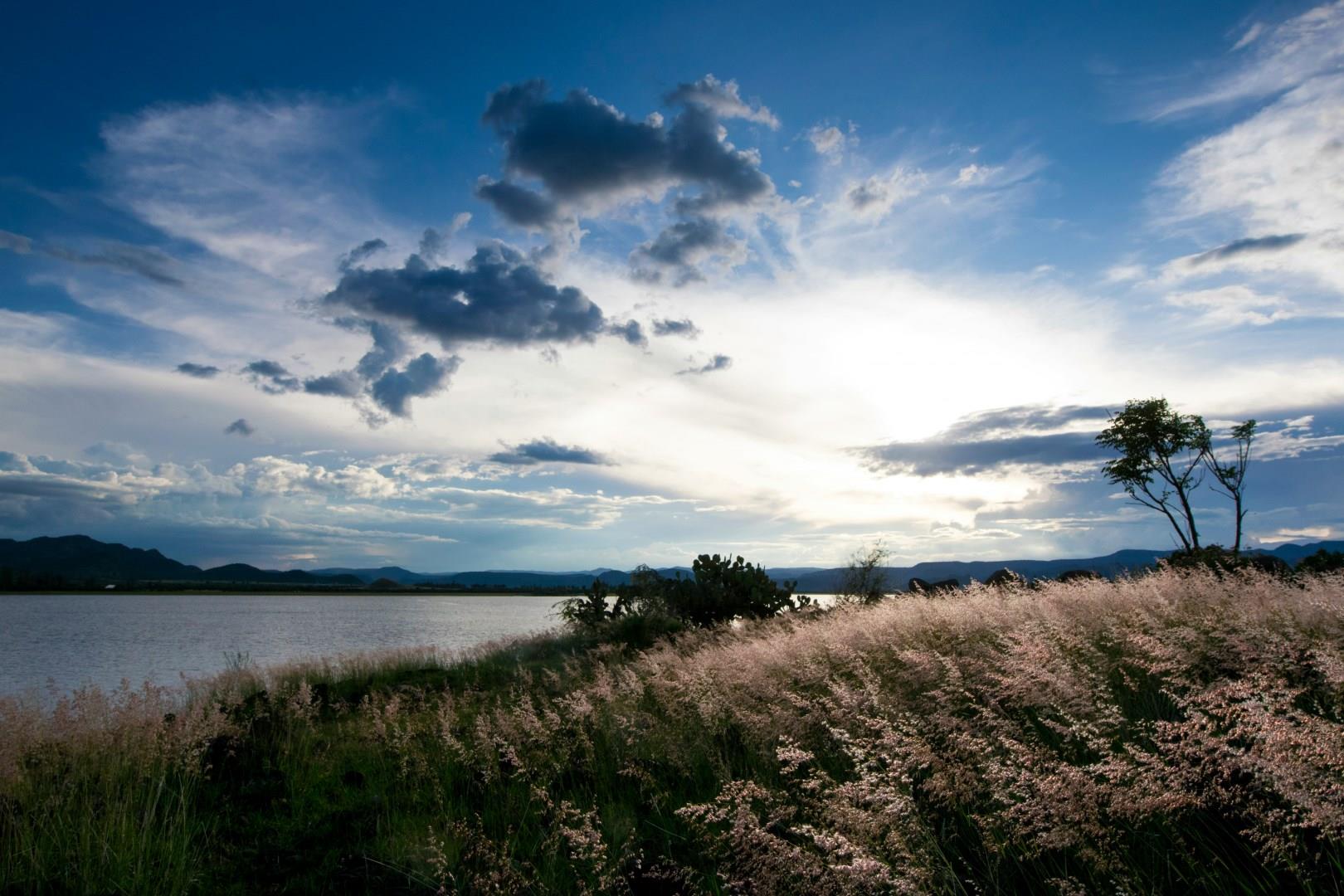
Durango
Durango, located in north-central Mexico, is a destination rich in history, dramatic landscapes, and cultural traditions that date back centuries. Once a key outpost during Spanish colonization, Durango played an important role in the development of northern Mexico. The city of Victoria de Durango, the state capital, features cobblestone streets and more than 1,000 officially registered historical structures.
