

Boston
Evidence of our nation's birth abounds in Boston, a hub of revolution that is essentially the oldest city in the United States. Visitors are compelled to walk the 2.5-mile Freedom Trail around the city center, and bear witness to 16 historical locations related to the history of America.

Trinidad
Trinidad, Cuba, is a mesmerizing time capsule that transports visitors to another era with its cobblestone streets, pastel-colored colonial buildings, and horse-drawn carts. Founded in 1514 by Spanish conquistador Diego Velázquez de Cuéllar, this city, located in central Cuba, is one of the best-preserved colonial towns in the Caribbean. Trinidad's rich history and enchanting architecture make it an essential destination for anyone seeking an authentic Cuban experience.

Las Vegas
Las Vegas, Nevada, is an electrifying city where glitz and glamour meet entertainment and excitement. Known as "The Entertainment Capital of the World," Las Vegas offers an unparalleled array of attractions, from its iconic casinos and luxurious hotels to its world-class dining and live shows. The city's entertainment scene is second to none, featuring legendary headliners, cutting-edge performances, and an array of themed attractions.

Dominica
Dominica, known as the “Nature Island of the Caribbean,” is a haven for eco-tourists and adventure seekers. Nestled between the French islands of Guadeloupe and Martinique, this lush island boasts a remarkable landscape of volcanic mountains, dense rainforests, and stunning waterfalls. Dominica’s most iconic natural wonder is the Boiling Lake, the second-largest hot spring in the world.
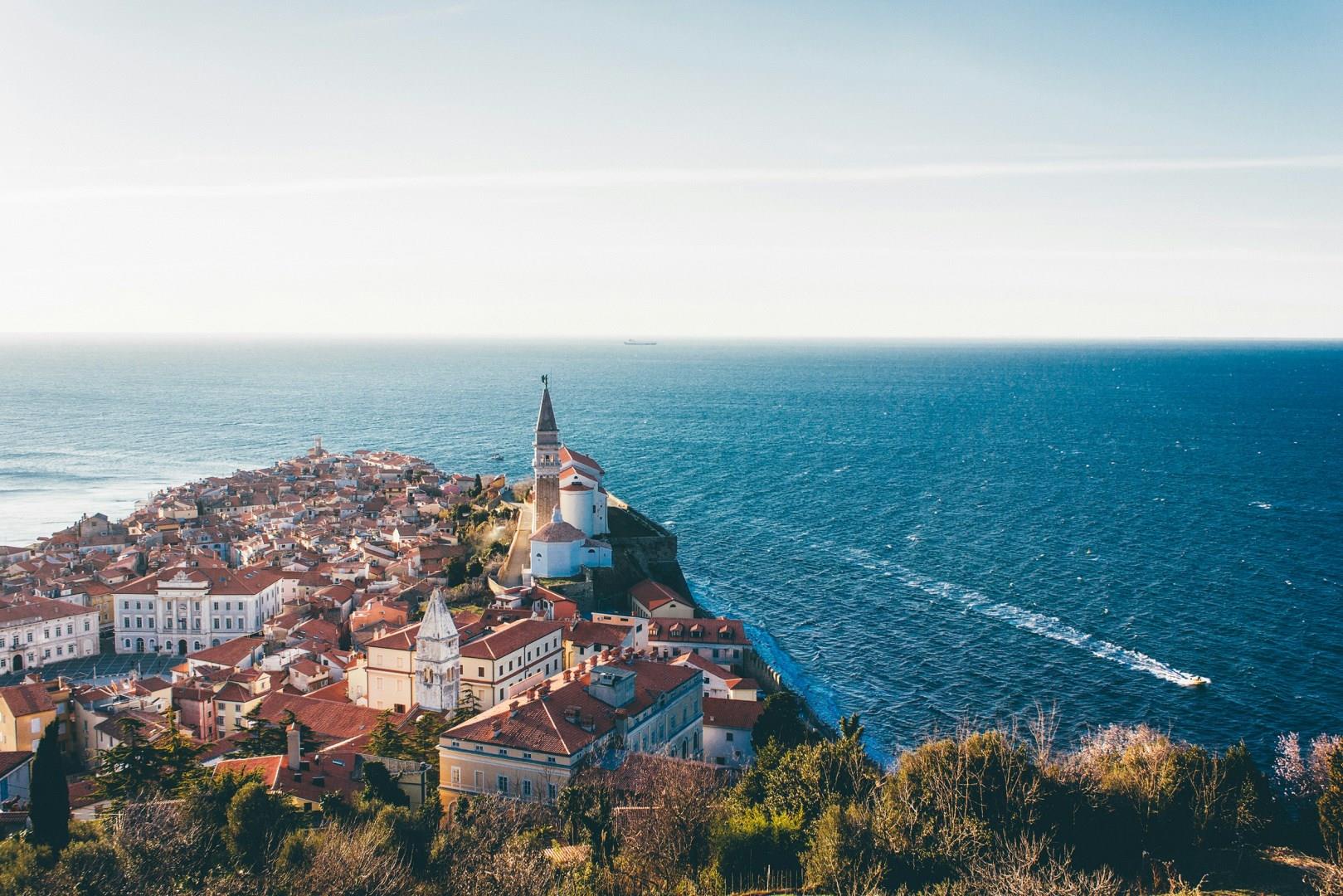
Piran
Piran, nestled along Slovenia's picturesque Adriatic coast, is a charming city that embodies a blend of medieval allure and seaside beauty. With its narrow, winding streets and well-preserved Venetian architecture, Piran offers a delightful glimpse into its rich history. A walk through Piran’s old town reveals its Venetian heritage, with charming piazzas, narrow alleys, and picturesque waterfronts.
