
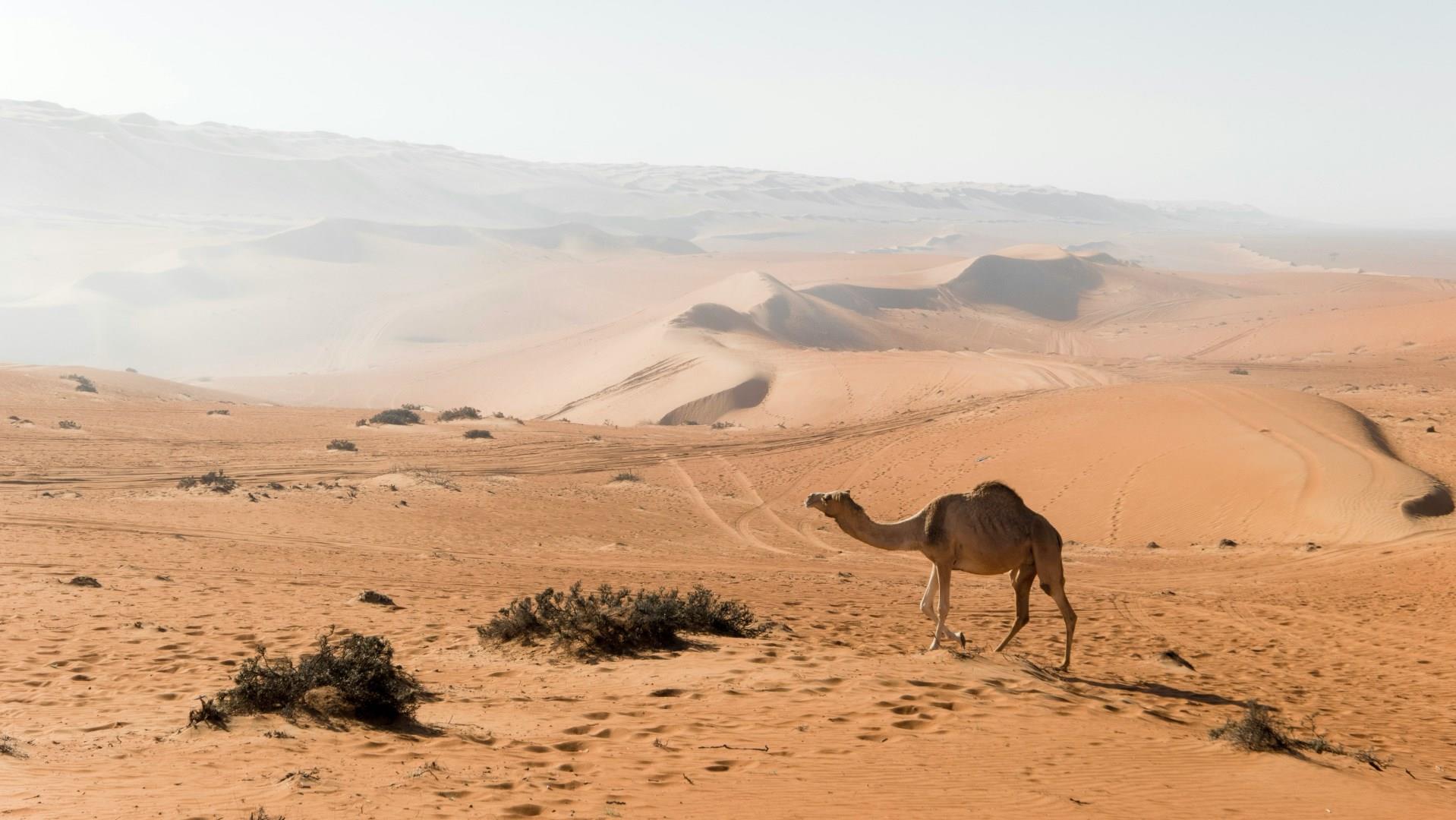
Wahiba Sands
Stretching across central Oman, the Wahiba Sands offer a dramatic desert landscape of rolling dunes that shift in color with the changing light. This vast sea of sand is home to towering ridges and open plains, creating an otherworldly backdrop for exploration.
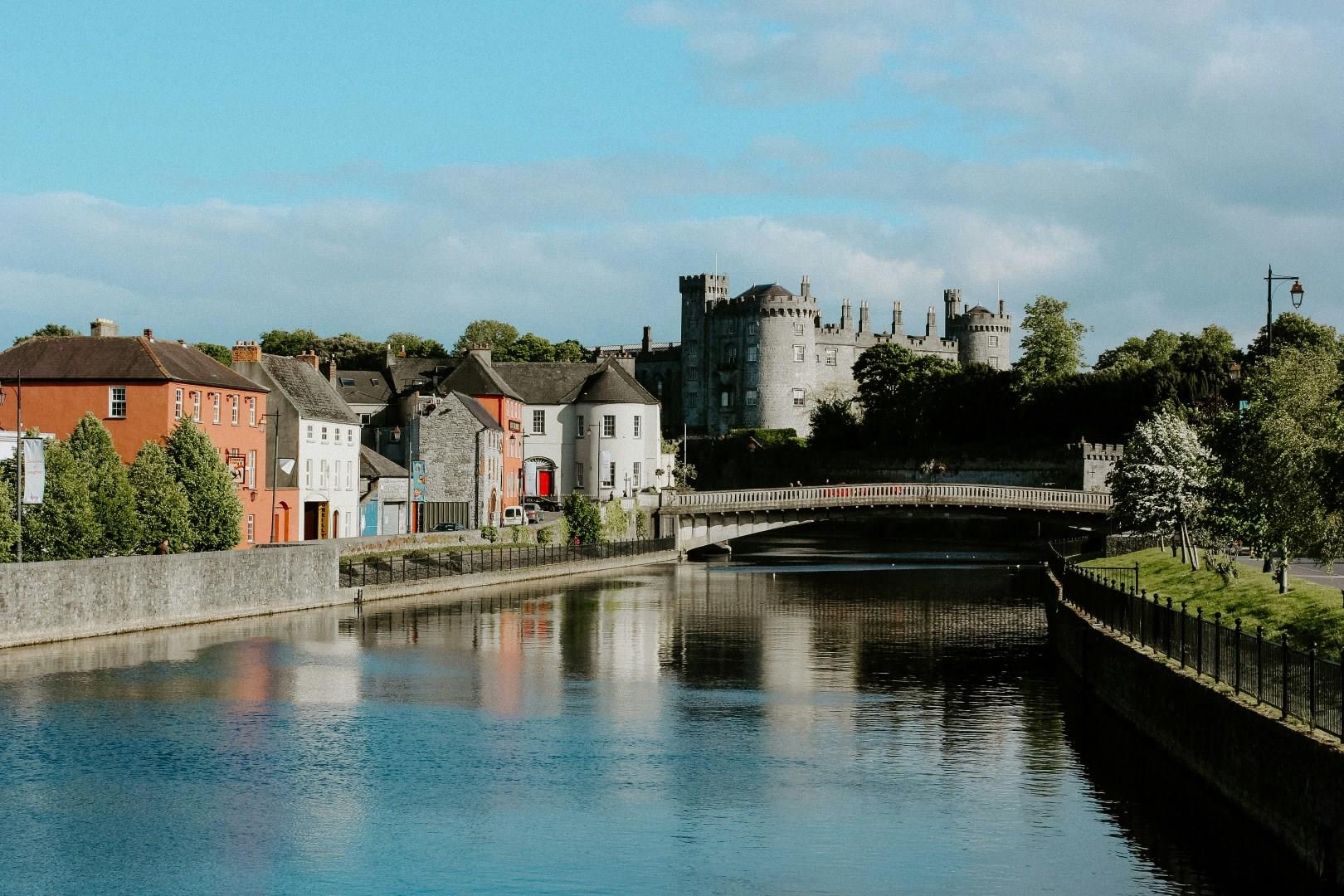
Kilkenny
Kilkenny is a city where history sits beside everyday life, and stories from centuries past shape the streets visitors walk today. At its heart stands Kilkenny Castle, first built in the 12th century and home to the Butler family for more than 600 years. From here, the Medieval Mile creates a natural path through the city, linking key sites such as St. Canice’s Cathedral. Its round tower, one of the few in Ireland still open to climb, rewards visitors with wide views across the rooftops.
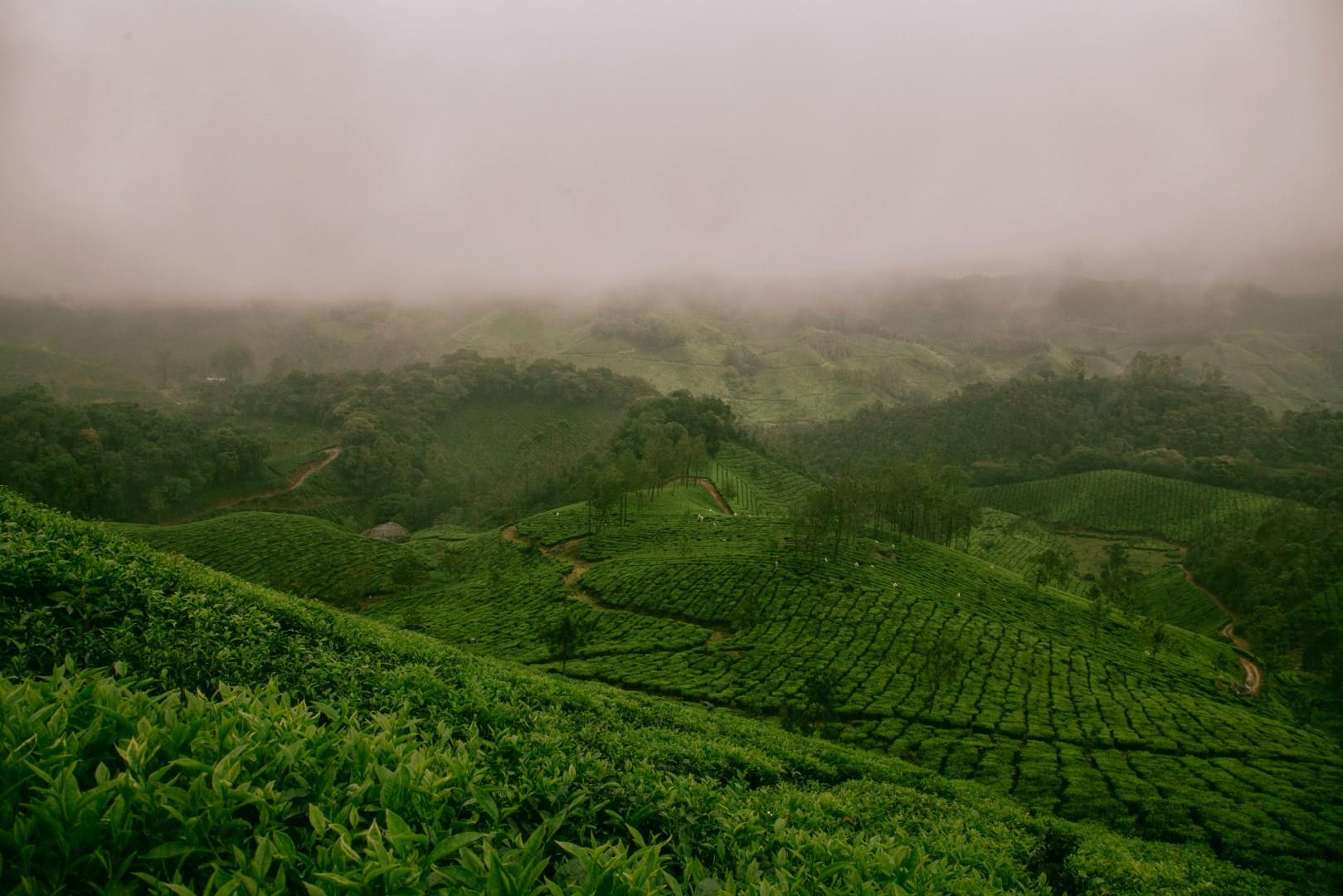
Munnar
Munnar, located in the Western Ghats of Kerala, India, sits at around 1,600 meters above sea level and was once the summer resort of British colonial officers. Today, it’s known for its vast tea plantations, many of which date back to the 19th century. Visitors can walk through estates like Kolukkumalai, the highest tea plantation in the world, where traditional methods are still used to process leaves by hand.
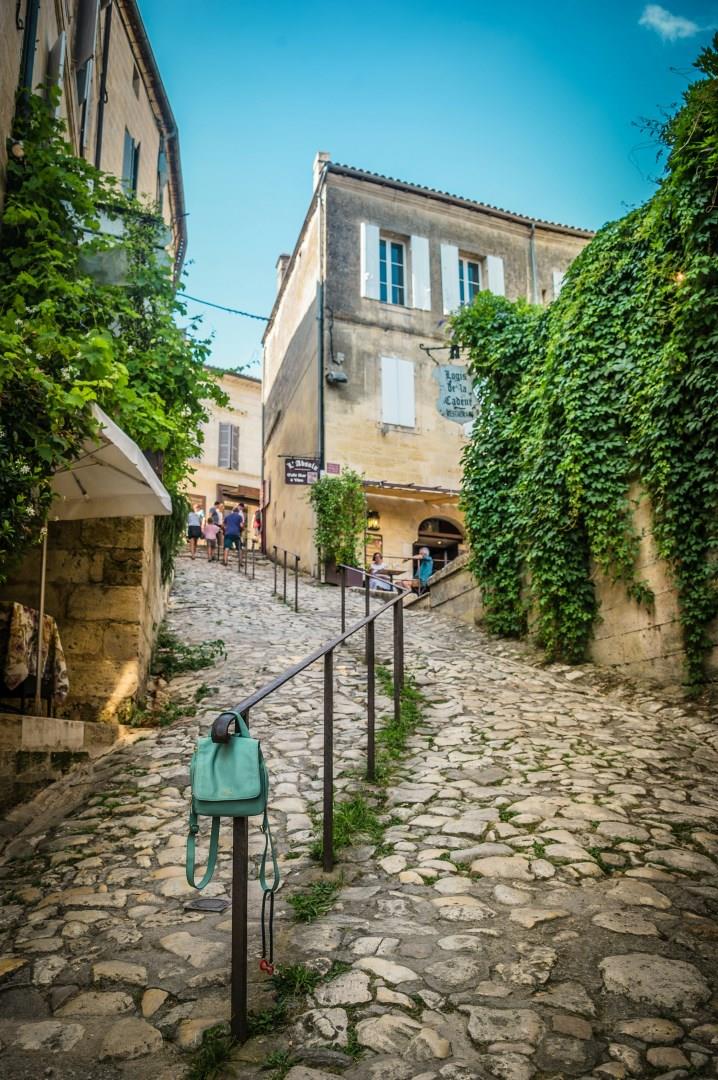
Saint-Émilion
Saint-Émilion, nestled in the heart of southwest France, is a living monument to centuries of craftsmanship, faith, and wine-making. Recognized as a UNESCO World Heritage Site since 1999, this medieval town sits on a limestone plateau surrounded by vineyards that date back to Roman times. Visitors can explore cobbled streets that wind past centuries-old stone houses, descend into underground catacombs carved by monks, and visit the astonishing Monolithic Church.

Slovenia
>Slovenia, tucked between the Alps and the Adriatic Sea, is a small country with a strong sense of identity and an impressive variety of landscapes. Its capital, Ljubljana, is known for its walkable center and mix of Baroque, Secessionist, and modern architecture. The Ljubljanica River runs through the city and is lined with open-air cafés and artisan shops.
