
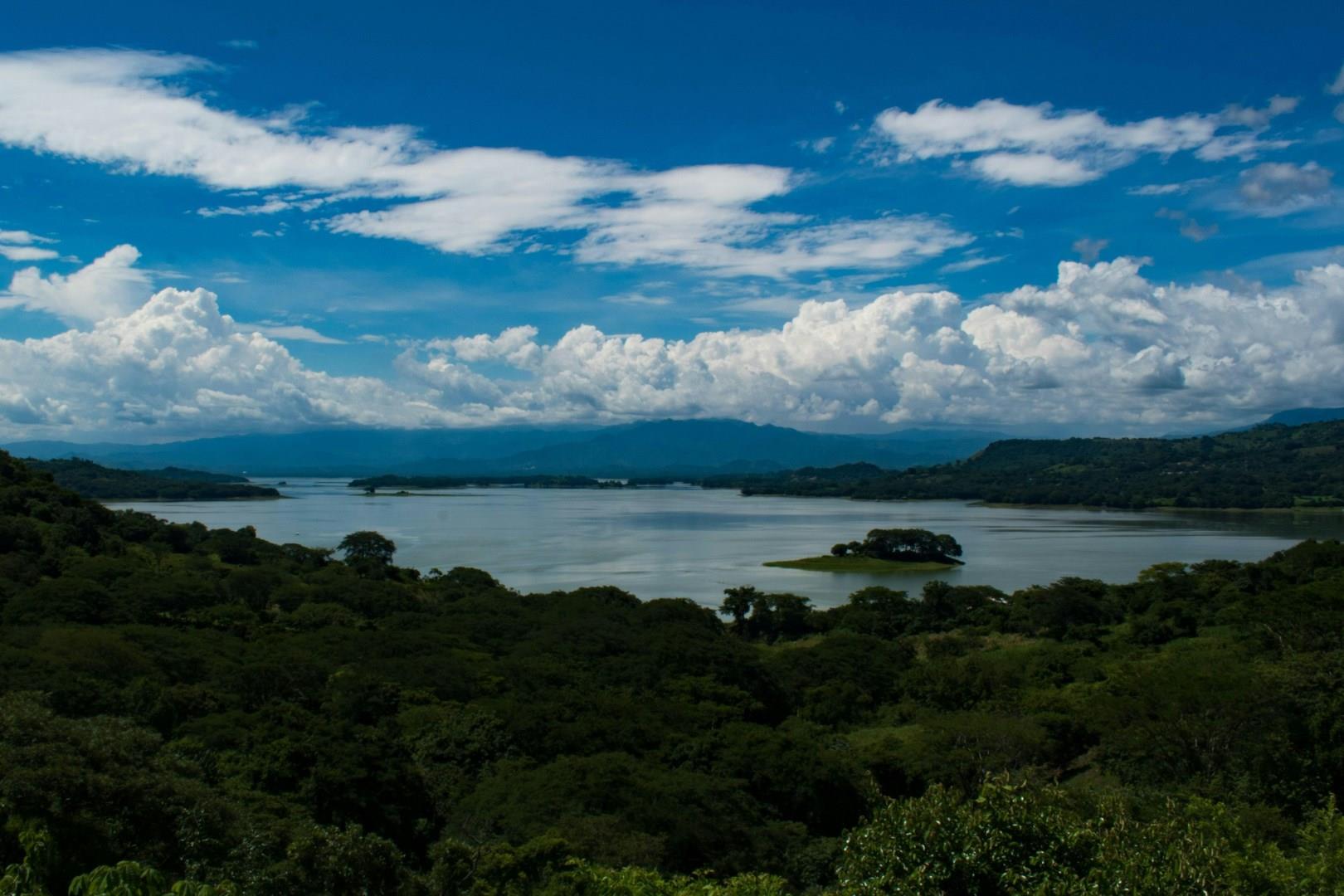
Suchitoto
Suchitoto, located in the Cuscatlán department of El Salvador, is a hilltop town known for its cobblestone streets and scenic views of Lake Suchitlán. Once an important center for indigo production, the town still celebrates its dye-making history through artisan workshops where visitors can learn to create textiles using natural indigo. The name “Suchitoto” comes from the Nahuatl language and means “place of flowers and birds,” a nod to the area’s diverse birdlife and surrounding vegetation.
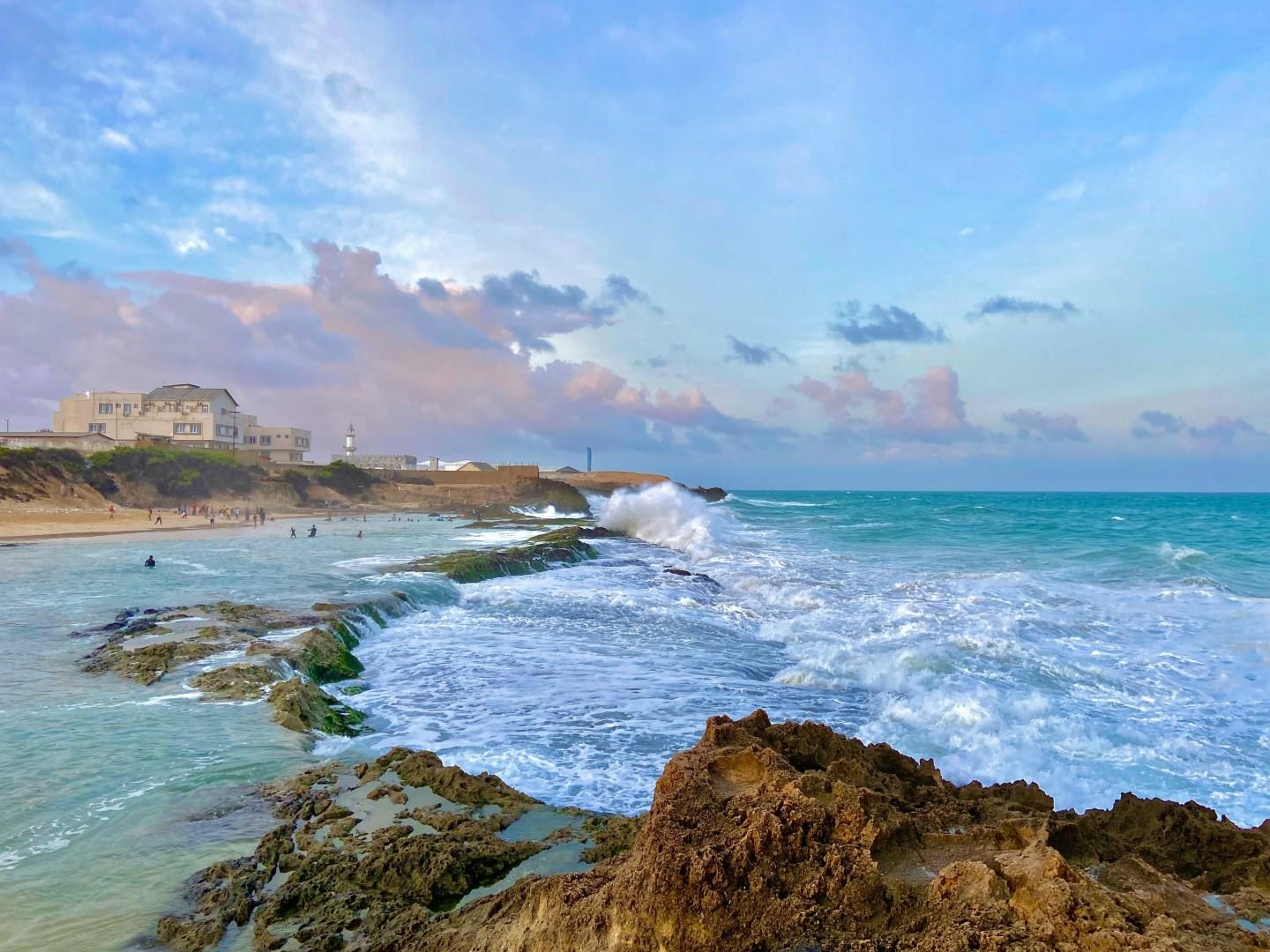
Somalia
Somalia, located on the Horn of Africa, is a land defined by its coastline, culture, and long history as a crossroads of trade. With the Indian Ocean and Gulf of Aden shaping much of its identity, Somalia has one of the longest coastlines in Africa, stretching over 1,800 miles.

Uluru
Located in Australia's Northern Territory, Uluru is an iconic sandstone formation and UNESCO World Heritage site. This red rock monolith, believed to be over 500 million years old, has been considered sacred by Australia's indigenous peoples for thousands of years and is one of the country's most well-known natural landmarks. This spiritual destination will astound you at sunrise and sunset, when the warm sunlight turns Uluru to deep hues of red and orange.

Îles des Saintes
Les Saintes (also known as Iles des Saintes) are perfect for the kind of traveler who relishes unspoiled tropical beauty and the serenity that comes from doing next to nothing on a vacation, but doing it à la française.

Milan
Milan, Italy’s fashion capital, offers an exquisite blend of historical grandeur and contemporary chic. As you wander through this vibrant city, you’re greeted by architectural masterpieces like the Milan Cathedral, a stunning example of Gothic design and the largest church in Italy. Its intricate façade and the panoramic views from the rooftop provide a breathtaking experience.
