

Reggio Calabria
Reggio Calabria, located at the tip of Italy’s toe, is a city where ancient history and natural beauty converge in spectacular fashion. One of the city's most renowned landmarks is the Bronzi di Riace, two magnificent bronze statues from the 5th century BC that were discovered off the coast of Riace in 1972.
Paramaribo
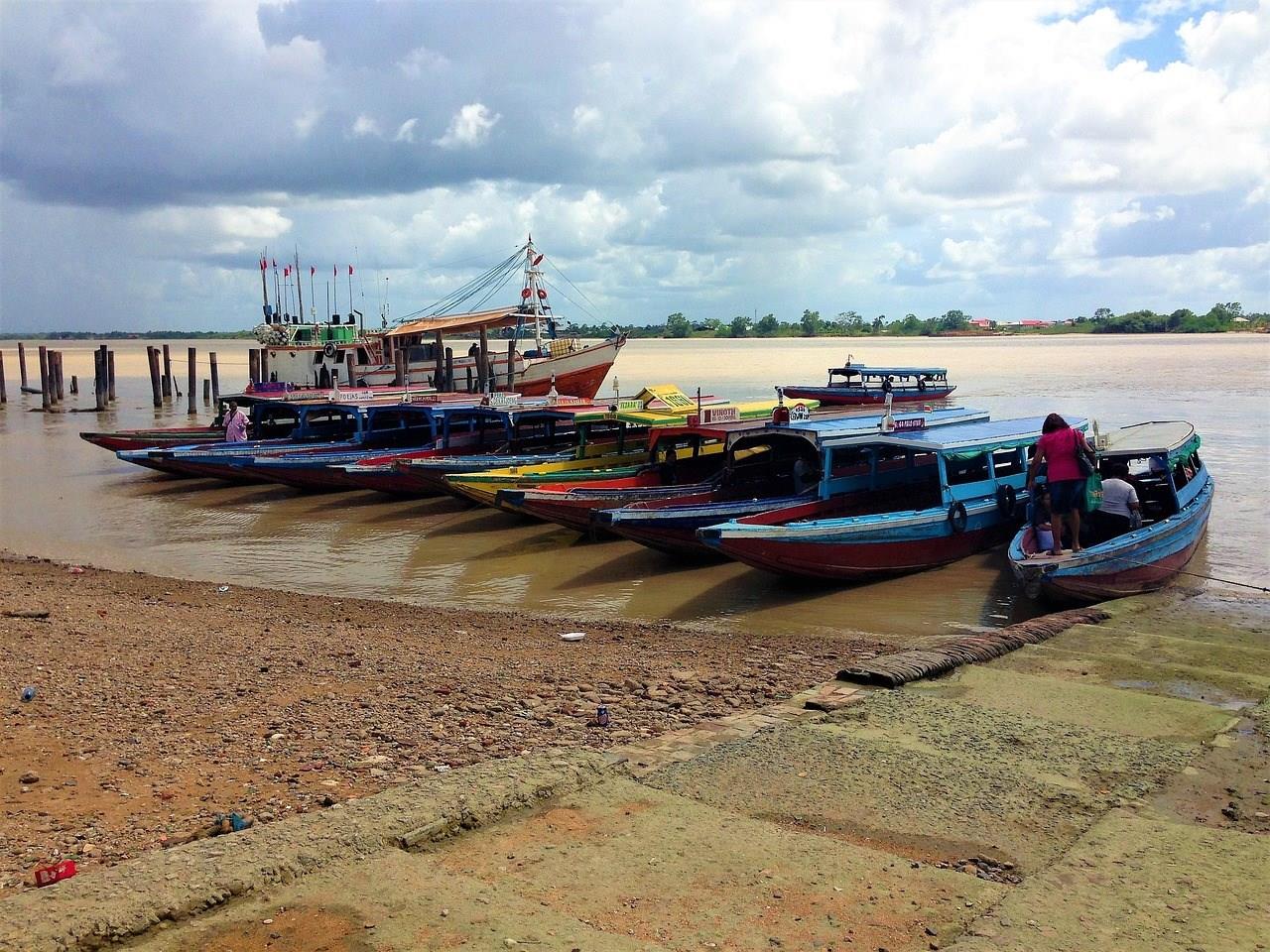
Paramaribo, Suriname’s capital, unfolds like a living storybook along the Suriname River, where wooden structures from the 17th and 18th centuries still stand today. This historic heart reveals a rare fusion of Dutch design and local craftsmanship. Visitors can stroll the Waterkant, a riverside avenue, and take in landmarks such as Fort Zeelandia, the neoclassical Reformed Church, and the lofty wooden Cathedral of St. Peter and Paul.
Sakkara
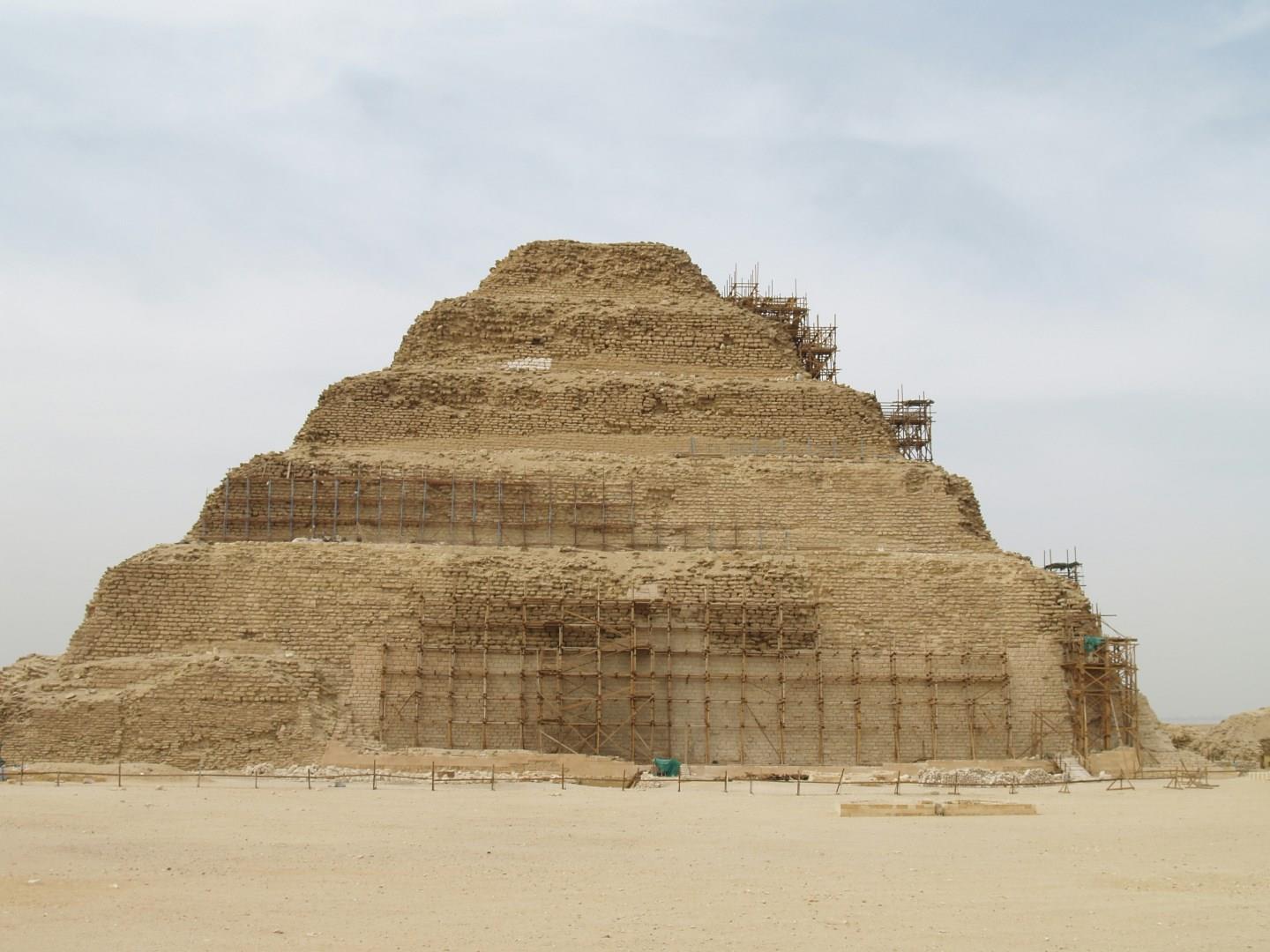
Sakkara, located just south of Cairo, is one of Egypt’s most important archaeological sites and the vast necropolis of the ancient capital of Memphis. Stretching over seven kilometers, it served as a burial ground for pharaohs, nobles, and high officials across multiple dynasties.
Colonia del Sacramento
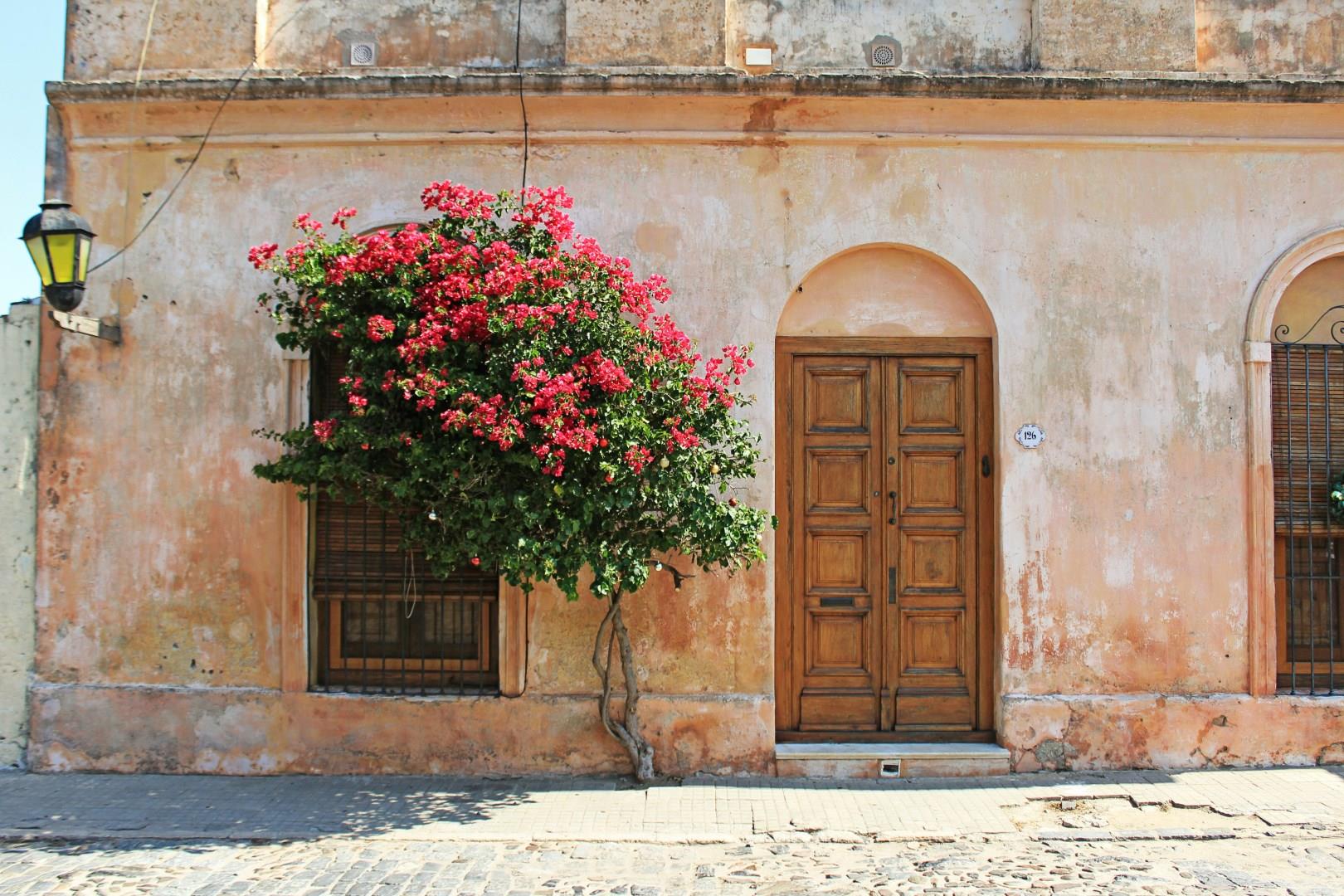
Colonia del Sacramento is where time lingers. Founded in 1680 by the Portuguese and later contested by the Spanish, the town’s past is etched into its cobblestone streets and weathered facades. The Barrio Histórico, a UNESCO World Heritage Site, is compact enough to walk in an afternoon yet layered with centuries of stories. Visitors can explore remnants of the original city walls and climb the iconic lighthouse for sweeping views of the Río de la Plata.

Ocho Rios
Ocho Rios, whose name comes from the Spanish for “Eight Rivers”, was originally a Taíno settlement before Spanish and later British colonial influence shaped its identity. Nestled along Jamaica’s lush north coast, this once-humble fishing village has transformed into a vibrant coastal town that blends historical depth with modern charm.
