
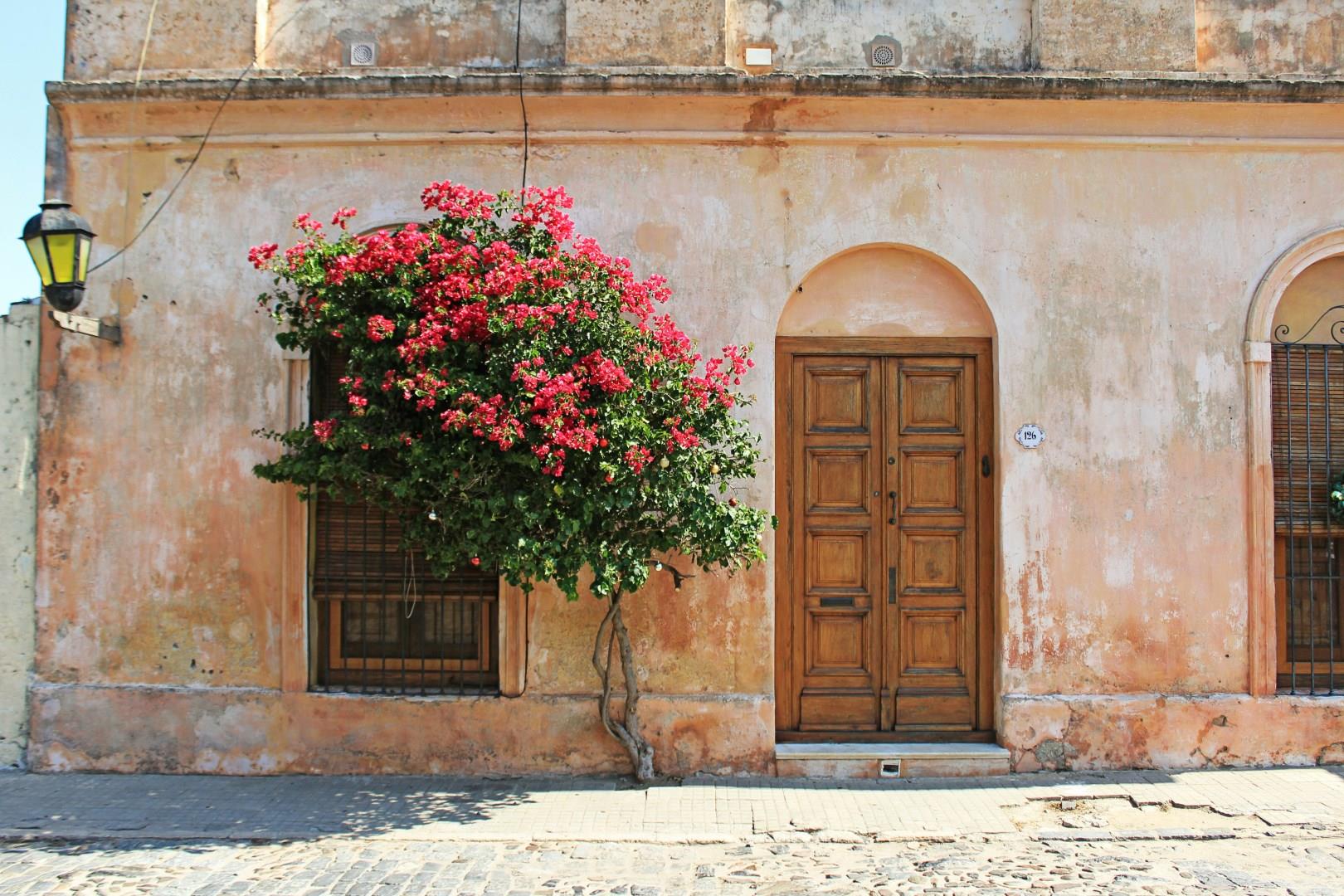
Colonia del Sacramento
Colonia del Sacramento is where time lingers. Founded in 1680 by the Portuguese and later contested by the Spanish, the town’s past is etched into its cobblestone streets and weathered facades. The Barrio Histórico, a UNESCO World Heritage Site, is compact enough to walk in an afternoon yet layered with centuries of stories. Visitors can explore remnants of the original city walls and climb the iconic lighthouse for sweeping views of the Río de la Plata.

Nawiliwilli, Kauai
This is your passage into the sacred "Garden Isle," where the sweet smell of the mokihana berry permeates the air and the lush green landscapes intoxicate your senses. Visit Waimea Canyon and witness the union of water, sunshine, clouds and canyon walls as they create the most colorful rainbows imaginable.
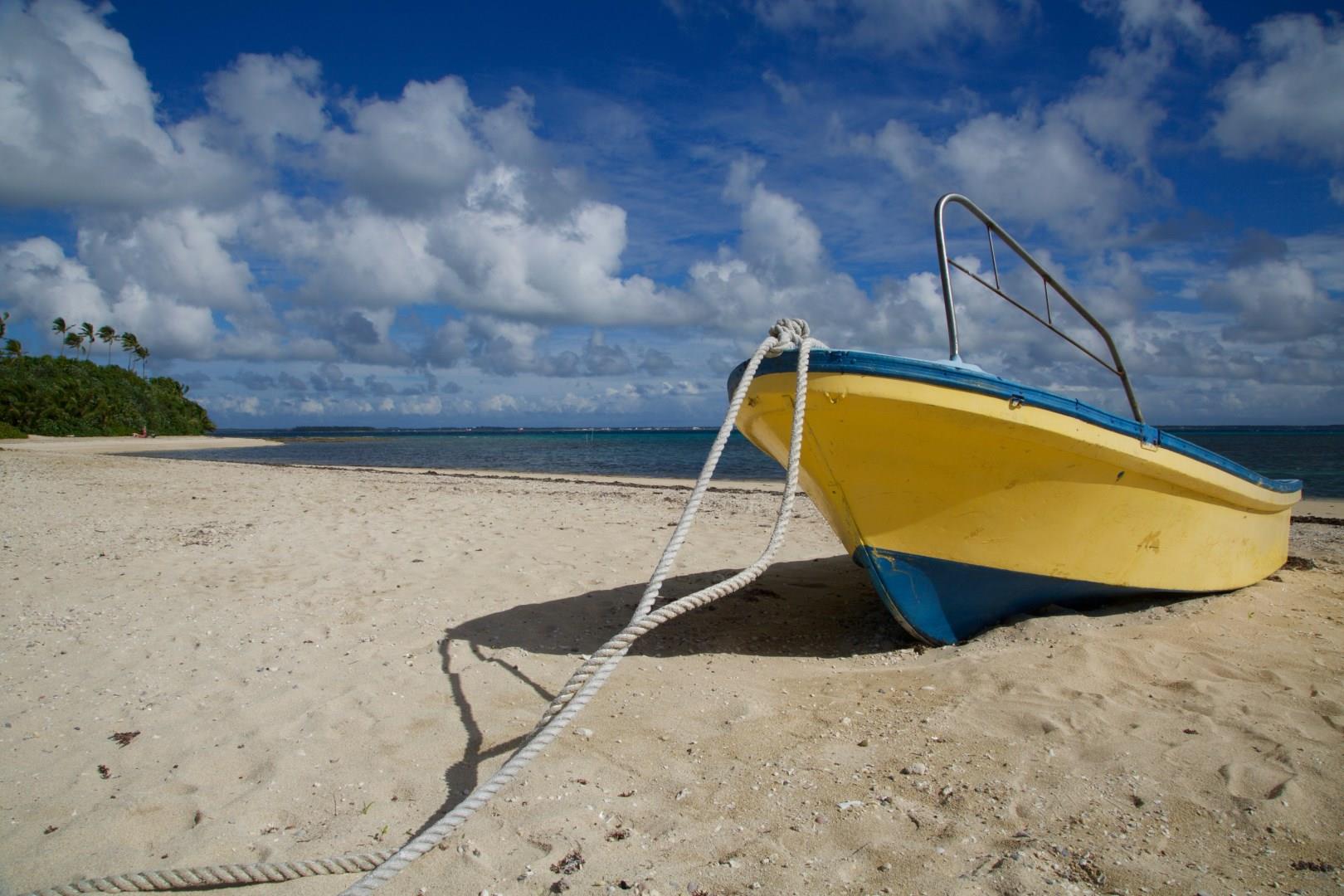
Tonga
Tonga is distinctly different to its neighboring island nations. This Polynesian kingdom, made up of 170 islands, carries a proud history that dates back over 3,000 years. On the main island of Tongatapu, travelers can explore ancient stone structures like the Haʻamonga ʻa Maui Trilithon—sometimes called the Stonehenge of the Pacific. Royal tombs in Lapaha offer a glimpse into the lineage of Tonga’s kings, while village life remains guided by customs that have changed little over centuries.

Georgia
Georgia, a state rich in history and natural beauty, offers a captivating blend of cultural experiences and outdoor adventures. In the heart of Atlanta, the Martin Luther King Jr. National Historic Site invites visitors to explore the life and legacy of the civil rights leader through his childhood home and the Ebenezer Baptist Church where he preached.

Sa Dec
A lesser-known river port in the Mekong Delta, Sa Dec was once the capital of Dong Thap province of southern Vietnam. Today, it is best known for its flower gardens and authentic bustling market. The city is also famous as the setting for French writer Marguerite Duras' 1984 novel, The Lover, and its 1991 film adaptation of the same name.
