

Dominica
Dominica, known as the “Nature Island of the Caribbean,” is a haven for eco-tourists and adventure seekers. Nestled between the French islands of Guadeloupe and Martinique, this lush island boasts a remarkable landscape of volcanic mountains, dense rainforests, and stunning waterfalls. Dominica’s most iconic natural wonder is the Boiling Lake, the second-largest hot spring in the world.
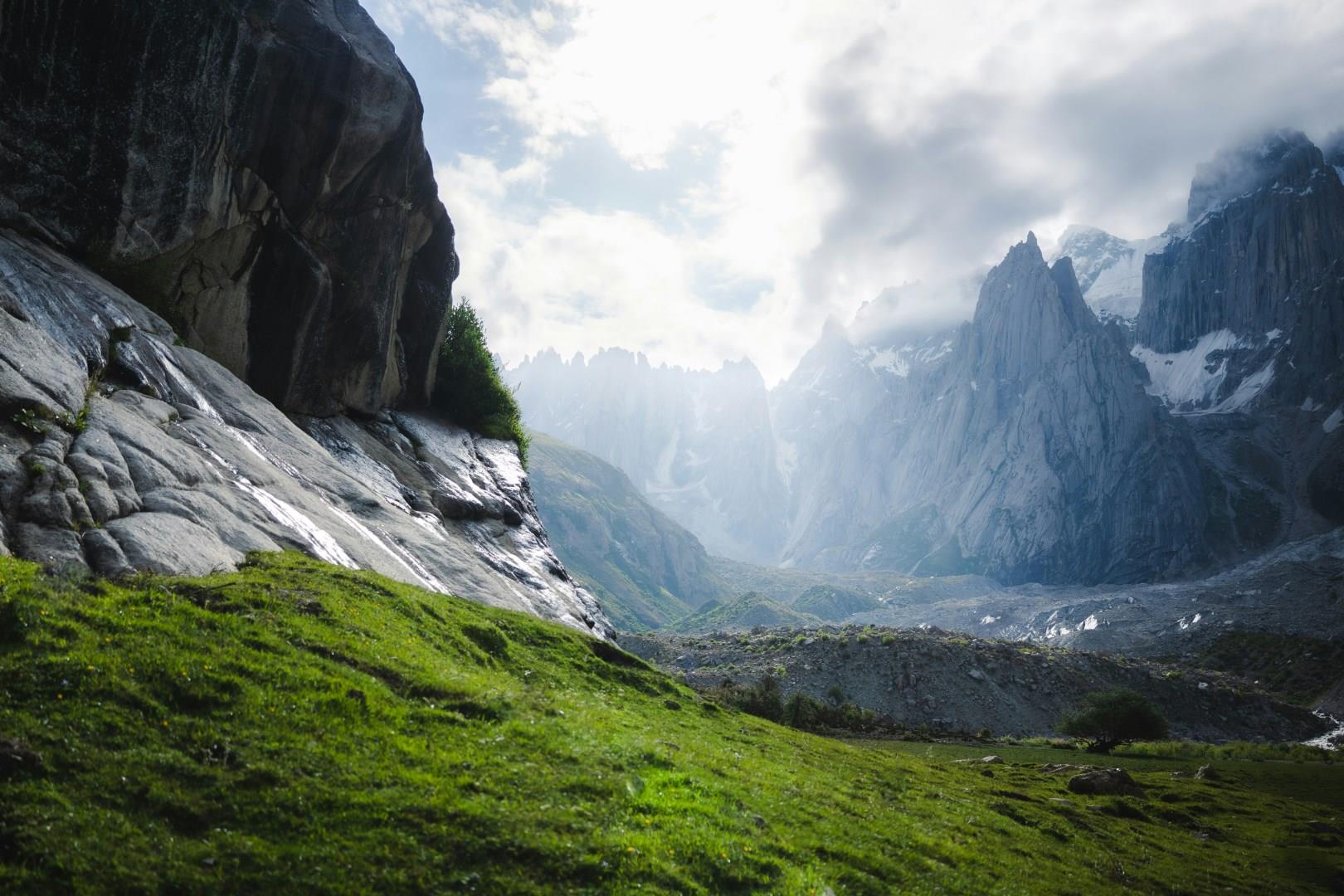
Nangma Valley
Nangma Valley, tucked deep within the Karakoram Range of northern Pakistan, is a place where towering granite spires rise dramatically above alpine meadows and clear streams. Located near the small town of Hushé in Gilgit-Baltistan, the valley is often described as a natural amphitheater of peaks. Climbers and trekkers from around the world are drawn to its vertical walls, but the valley’s quiet trails and sweeping views also offer an extraordinary experience .
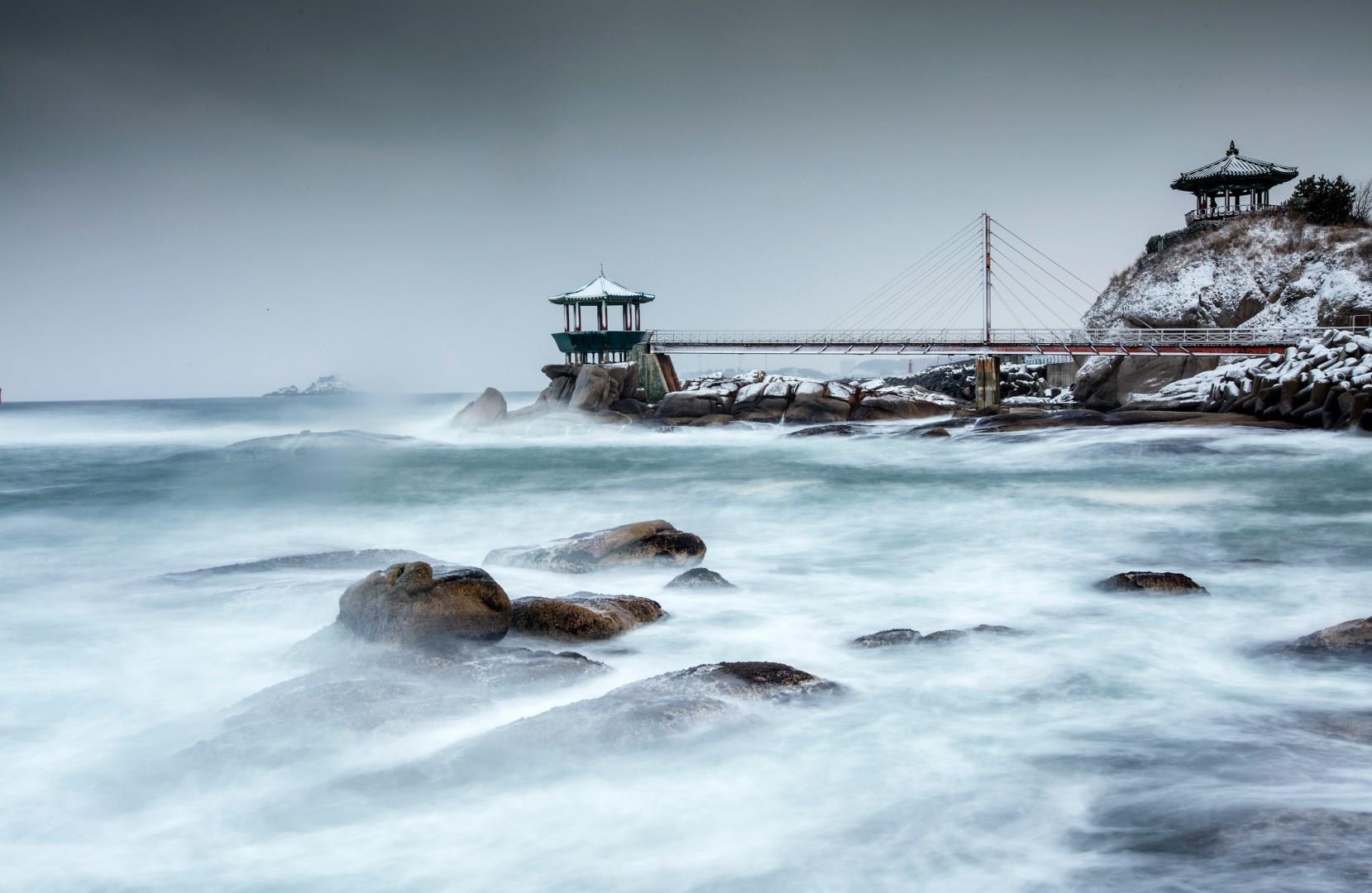
Sokcho-si
Sokcho-si is a coastal city in northeastern South Korea where the East Sea meets rugged mountains, giving it a maritime and outdoor character.

Golubac
Golubac is a gateway to the Iron Gates Gorge, a stretch of the Danube River that separates the Carpathian and Balkan mountains.

Anchorage
Alaska's largest city is the perfect place for anyone who wants a vacation filled with wildlife, outdoor activities, glaciers and gorgeous parks.
