

Amsterdam
Amsterdam, the 17th century capital of Holland, is often called the "Venice of the North" due to its numerous, boat-navigable canals. Truly rich in history, the oldest part of this populous, multicultural city is Sloten, which dates all the way back to the 9th century.
Villahermosa
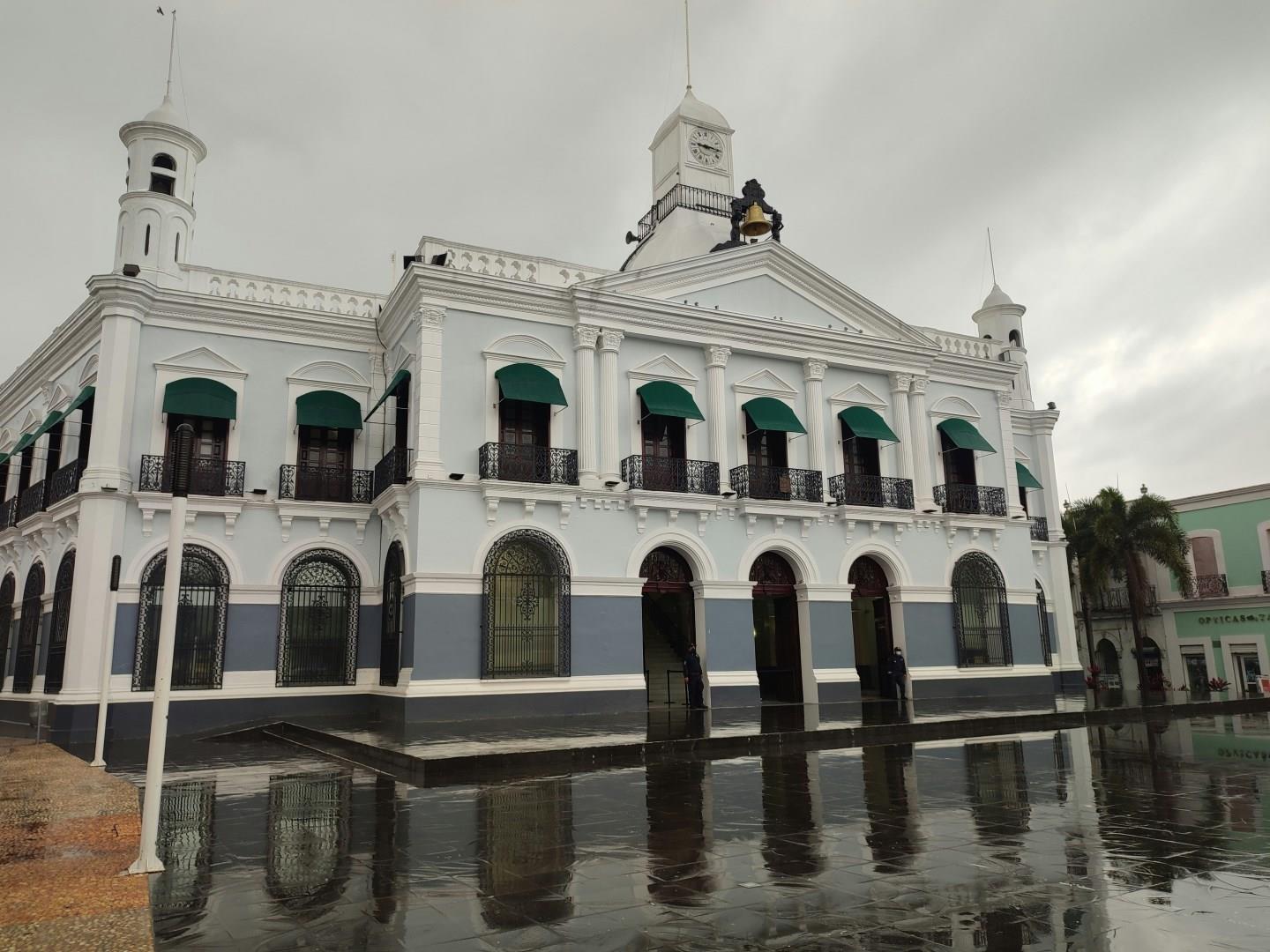
Villahermosa, the capital of Tabasco, is a city where ancient civilizations, tropical landscapes, and modern life intersect. Known as the “gateway to the Mayan world,” the city sits on the banks of the Grijalva River and serves as a cultural hub for southeastern Mexico. One of its most unique attractions is Parque-Museo La Venta, an open-air museum that blends archaeology with a jungle setting.
Sighisoara
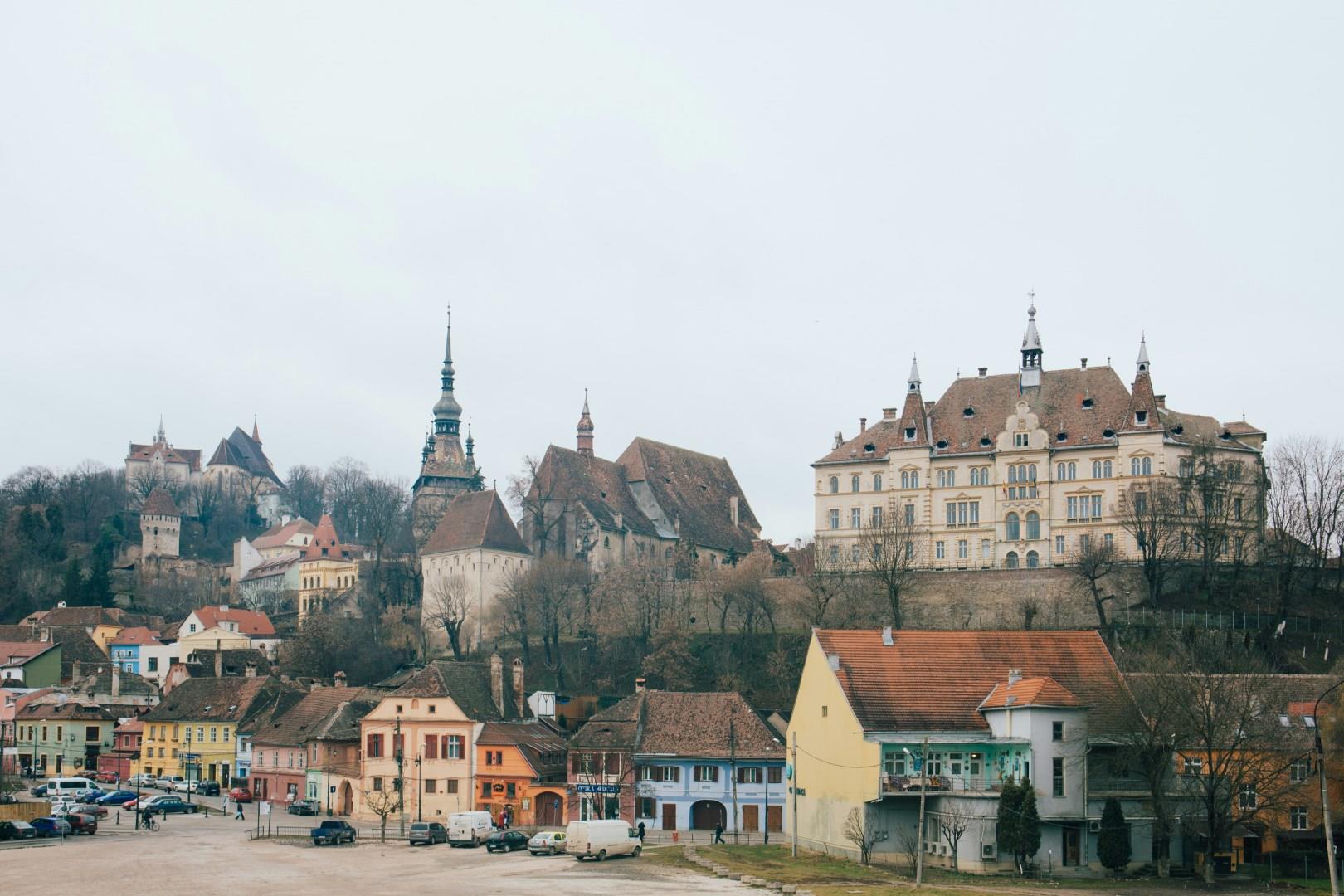
Sighisoara rises above the Târnava Mare River as one of the few medieval citadels in Europe that is still lived in and admired today. Its historic center has been on the UNESCO World Heritage List since 1999, recognized for its long history as a fortified Saxon settlement and its role in trade and defense on the edges of central Europe. Wander through cobbled alleys framed by pastel-colored houses, and the layers of time feel close at hand, from the city walls and guild towers to busy cafés.
Nara
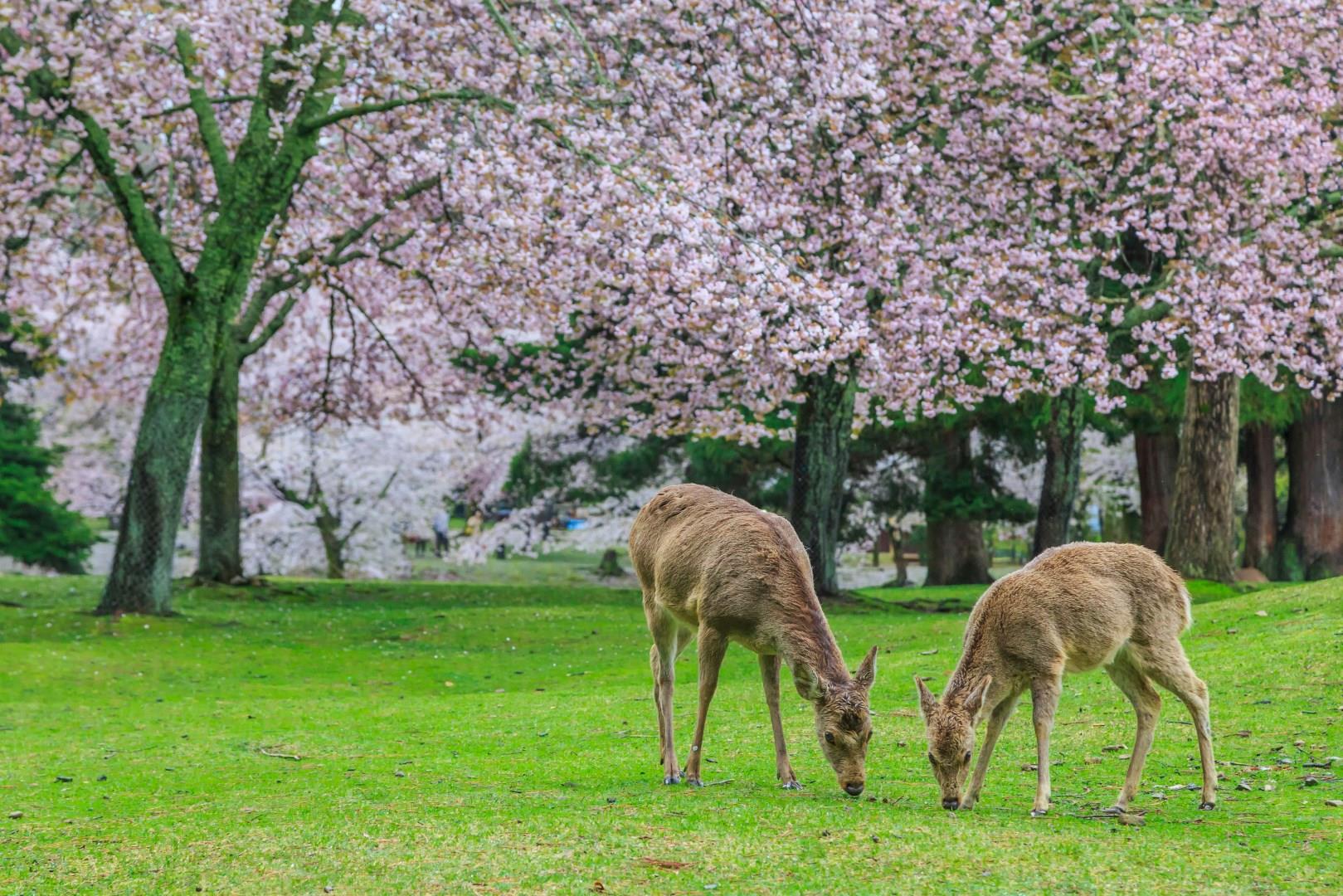
Nara, located in Japan’s Kansai region, is a city where ancient history and serene landscapes coexist. As the country’s first permanent capital, it preserves a wealth of historic sites that reflect its significance during the Nara period.

Angkor Ban
A visit to Angkor Ban offers a unique opportunity to step back in time and witness a Cambodia that remains untouched by modern development. Whether admiring the historic wooden houses, visiting the temple, or engaging with friendly locals, travelers will find this riverside village a rewarding cultural experience.
