

Belarus
Belarus is an independent republic in Eastern Europe. Minsk is the capital and largest city. The climate is generally temperate and humid, with colder, continental conditions in the east.

Saint-Tropez
Saint-Tropez, located on the glamorous French Riviera, epitomizes luxury and allure. Once a quaint fishing village, this iconic destination has evolved into a playground for celebrities and discerning travelers. Visitors are greeted by the picturesque Old Port, lined with elegant yachts and vibrant cafés where you can savor the Mediterranean ambiance. The colorful façades and narrow streets of the old town offer a charming backdrop for leisurely strolls and lively markets.

Portree
North of Sligachan the road first rises and then dips down into Portree - the main town on Skye. With its natural harbor and open perspective, Portree is a pleasant village and offers visitors a fine range of local services, accommodation and things to do.
Finland
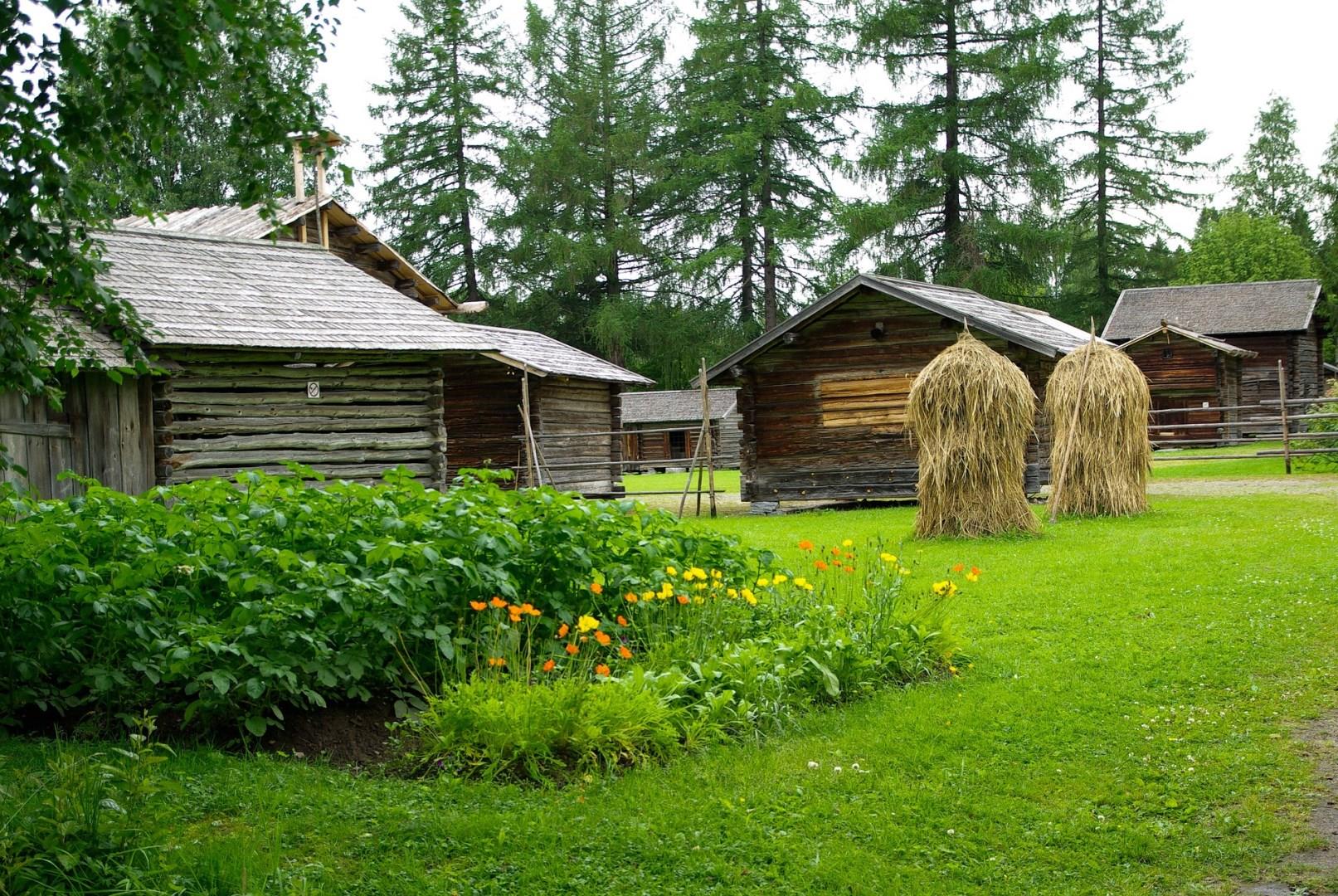
Finland offers an unforgettable travel experience with its blend of striking contrasts: icy winters and sunlit summer nights, centuries-old traditions and cutting-edge design. In Helsinki, visitors can stroll through the neoclassical Senate Square, stop by the contemporary Amos Rex art museum, and hop on a ferry to Suomenlinna, a UNESCO World Heritage Site built across six islands.

Tirana
Tirana, the lively capital of Albania, is a city that blends historical charm with modern vibrancy. At the heart of its transformation is Skanderbeg Square, a bustling hub named after the national hero Gjergj Kastrioti Skanderbeg.
