
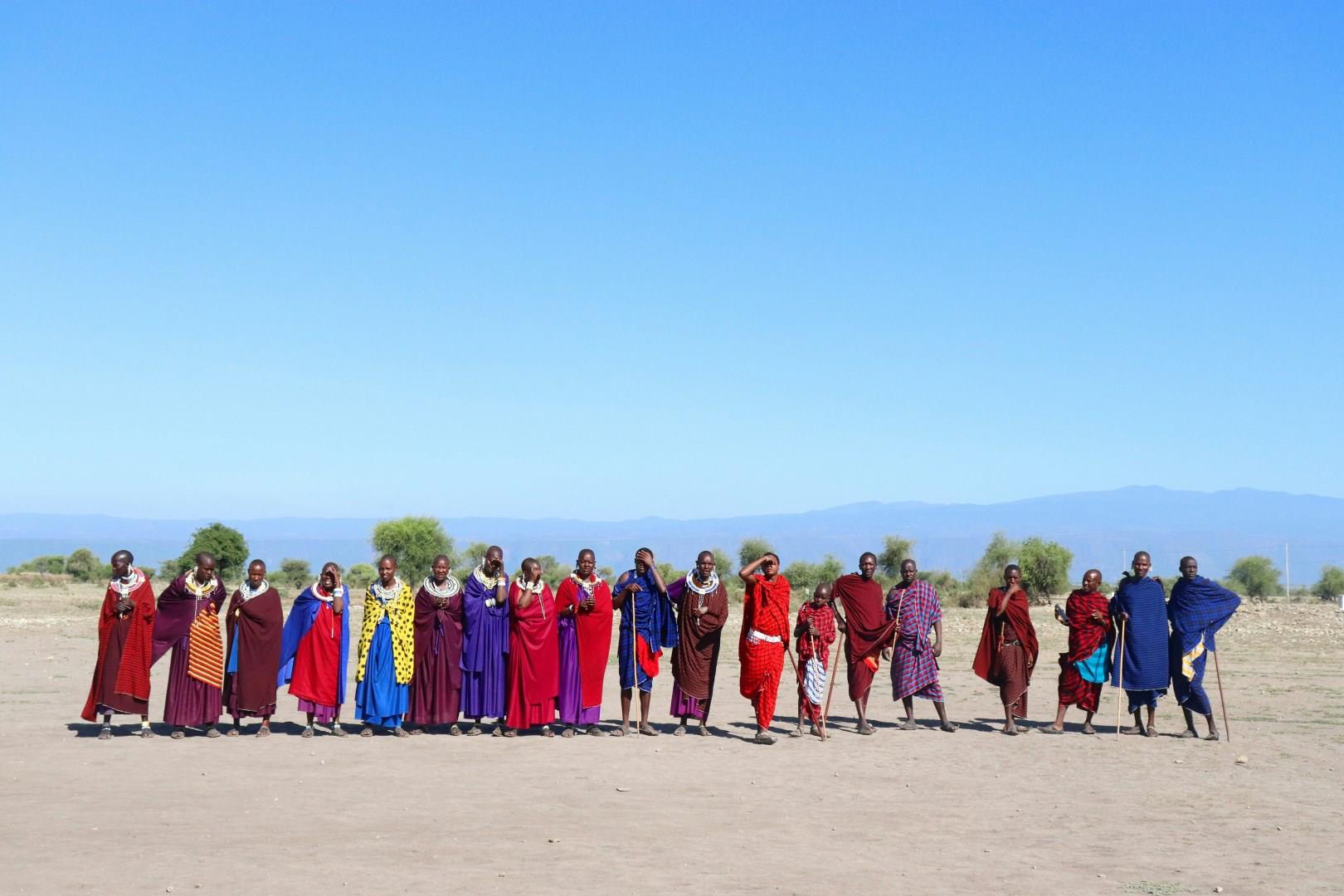
Karatu
Karatu, located in northern Tanzania between Lake Manyara and the Ngorongoro Crater, is more than just a stopover for safari-goers. This highland town, surrounded by rolling farmland and volcanic hills, offers travelers a closer look at daily life in the region. The area is home to the Iraqw people, known for their terraced farming, traditional homesteads, and unique language unrelated to most other East African tongues.
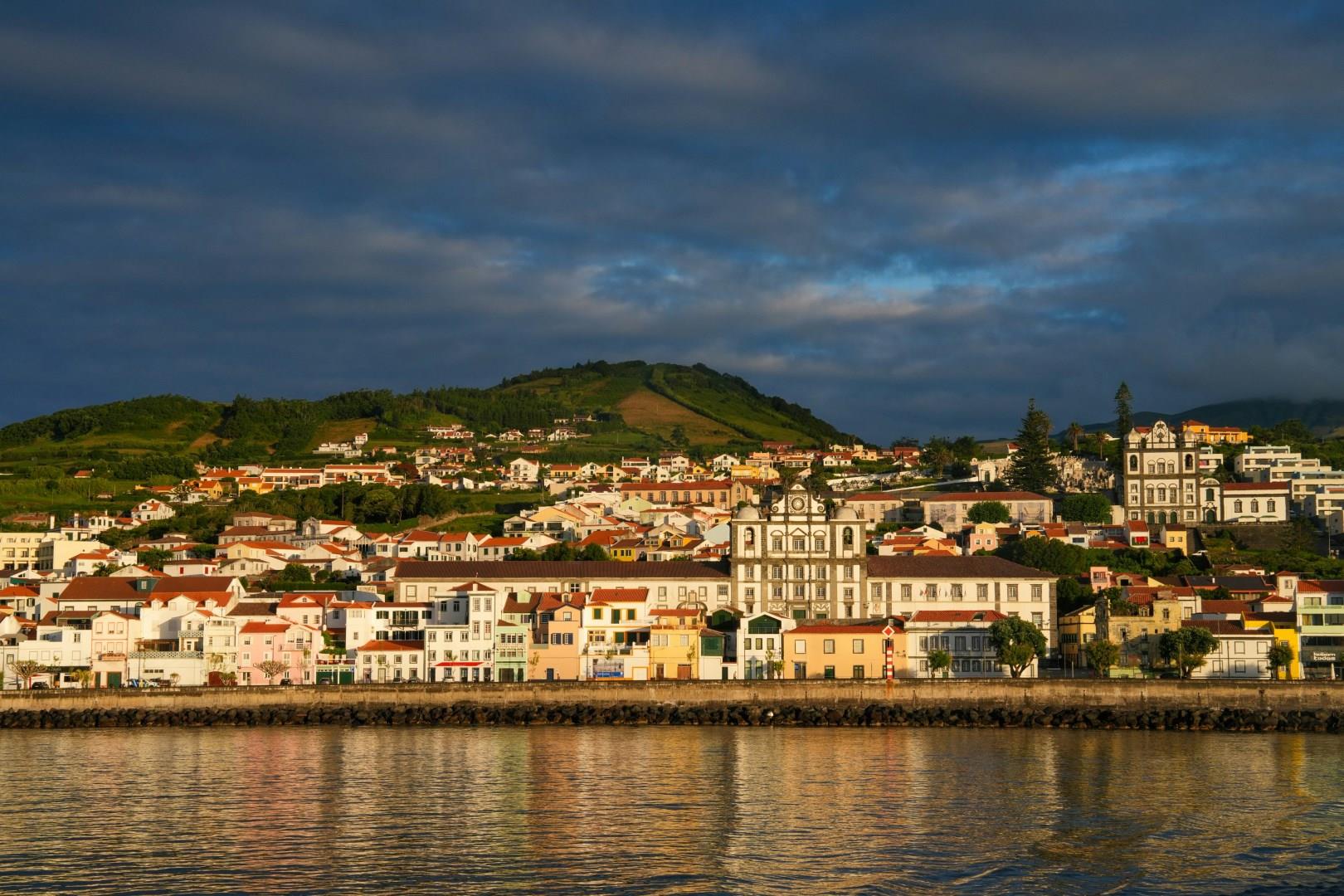
Horta Faial Island
Horta sits on the southeastern coast of Faial Island in the Azores, long defined by its position in the mid-Atlantic. For centuries it served as a critical stop for whaling ships, transatlantic sailors, and later yachts crossing between Europe and the Americas.
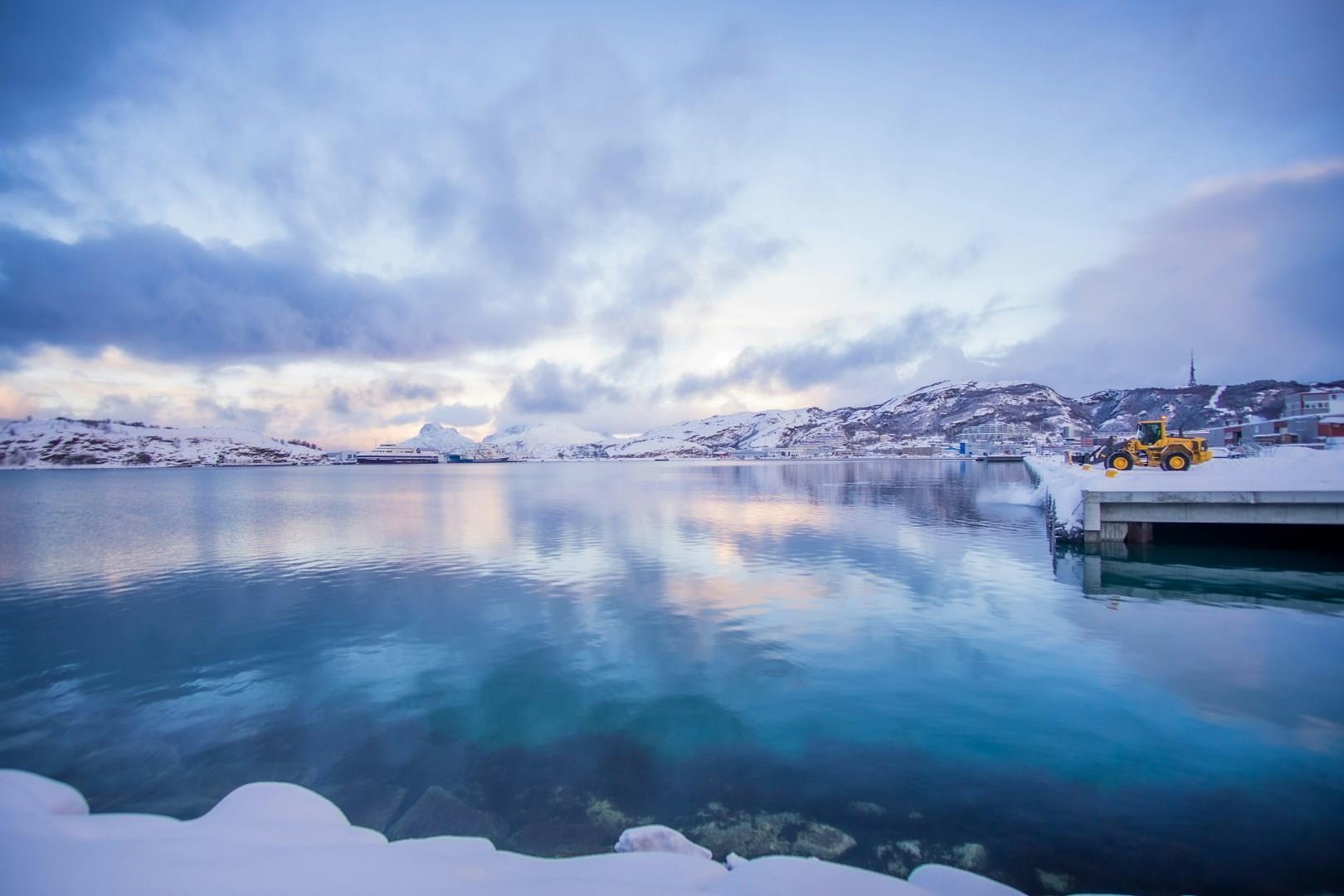
Bodo
Bodø, located just north of the Arctic Circle, is a coastal city where dramatic landscapes meet a surprising blend of modern culture and outdoor access. As the largest town in the Nordland region of Norway, Bodø has become a key stop along the Norwegian Scenic Route and a gateway to the Lofoten Islands. Located just a short drive away, the Saltstraumen maelstrom, which is one of the world’s strongest tidal currents, visitors can watch whirlpools form in the sea with astonishing power.

Grand Teton National Park
Grand Teton National Park, located in northwestern Wyoming, offers a breathtaking panorama of rugged mountain landscapes and pristine wilderness. Dominated by the imposing Teton Range, the park’s dramatic peaks rise sharply from the valley floor, creating one of the most striking mountain vistas in the United States. The Tetons are renowned for their stunning granite spires, including the iconic Grand Teton, which reaches 13,775 feet and is a favorite among climbers and photographers alike.

Padua
Padua, a hidden gem in Northern Italy’s Veneto region, is a city where medieval splendor meets a vibrant modern atmosphere. Known for its ancient university, founded in 1222, Padua is one of the oldest and most prestigious in the world, having nurtured the minds of great scholars like Galileo Galilei.
