

Phnom Penh
Phnom Penh, the capital of Cambodia, is a city where history, culture, and riverside life intersect. Situated at the confluence of the Mekong and Tonle Sap rivers, the city has a lively riverfront that serves as both a social gathering place and a hub for commerce.

Galveston
Galveston, Texas, a charming island city along the Gulf Coast, is a delightful blend of history, culture, and seaside leisure. Known for its Victorian architecture and sun-soaked beaches, Galveston offers a rich array of experiences for visitors. The Historic Strand District, with its 19th-century buildings housing shops, galleries, and restaurants, takes visitors back in time to an era of bustling port trade and grand social affairs.

Limerick
Nestled along the banks of the majestic River Shannon in western Ireland, Limerick is a city where history and modern life blend seamlessly, offering a unique and authentic Irish experience that captures the charm and spirit of the Emerald Isle. With origins stretching back to the Viking era, Limerick offers an intriguing glimpse into the past with plenty to explore.

Glenfinnan
Glenfinnan, nestled in the Scottish Highlands, is a picturesque village renowned for its dramatic landscapes and historical significance. This small but enchanting destination is best known for the Glenfinnan Viaduct, an architectural marvel completed in 1901.
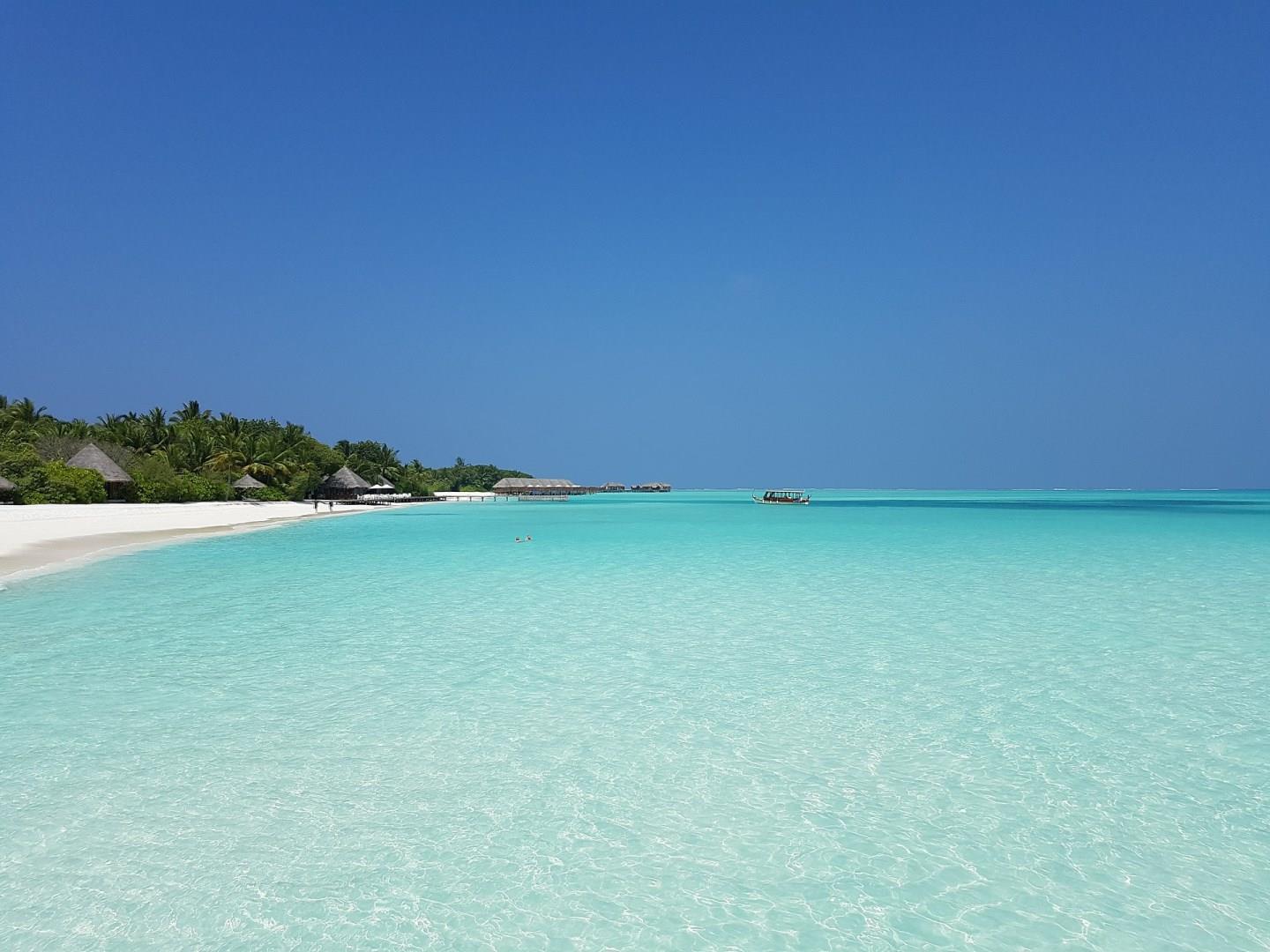
Maldives
The Maldives, a nation of islands scattered across the Indian Ocean, is known for its dazzling turquoise waters, white-sand beaches, and vibrant coral reefs. Stretching across 26 atolls, this tropical paradise is often described as one of the most beautiful places on Earth.
