
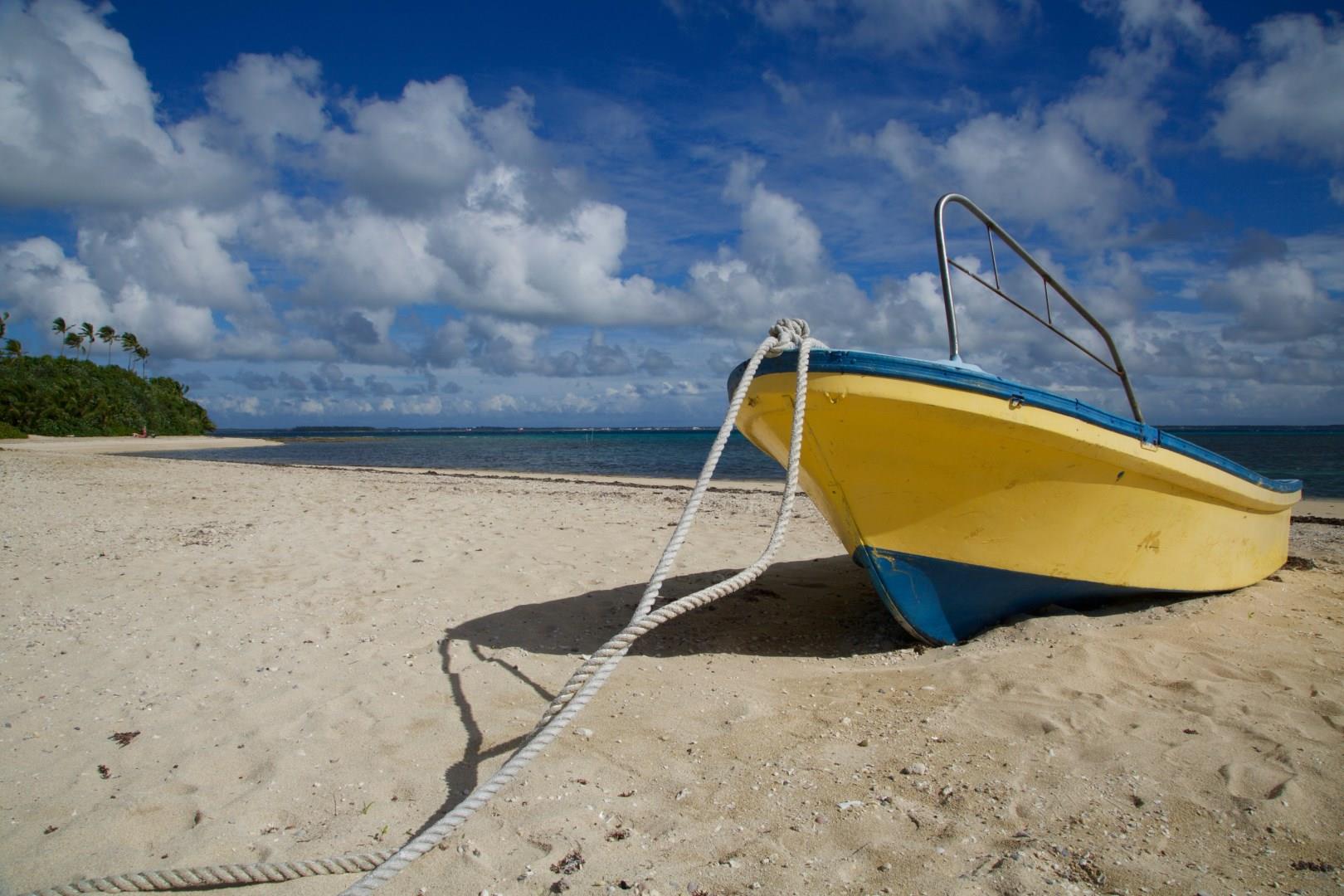
Tonga
Tonga is distinctly different to its neighboring island nations. This Polynesian kingdom, made up of 170 islands, carries a proud history that dates back over 3,000 years. On the main island of Tongatapu, travelers can explore ancient stone structures like the Haʻamonga ʻa Maui Trilithon—sometimes called the Stonehenge of the Pacific. Royal tombs in Lapaha offer a glimpse into the lineage of Tonga’s kings, while village life remains guided by customs that have changed little over centuries.
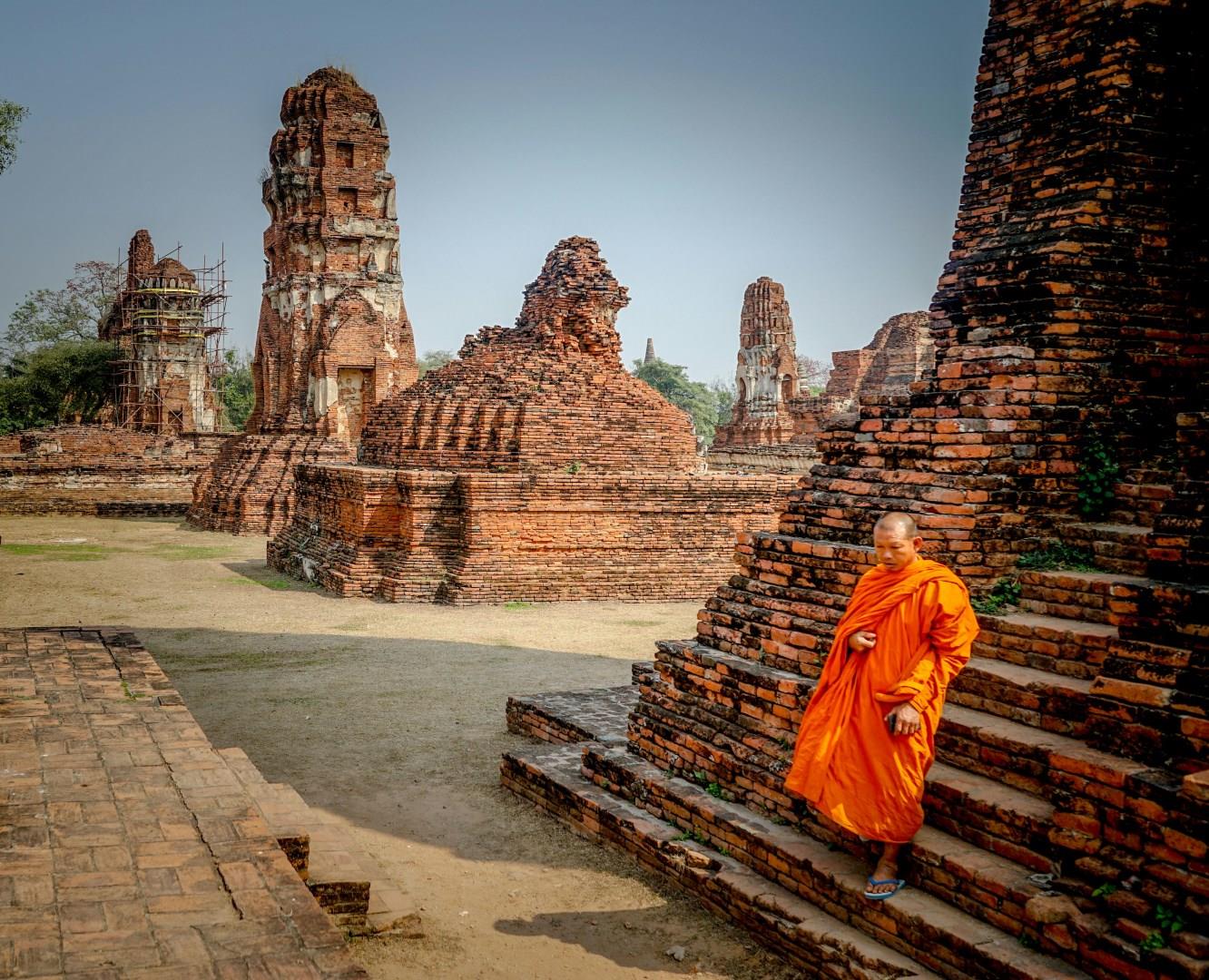
Ayutthaya
Ayutthaya, located about 80 kilometers north of Bangkok, Thailand, was the capital of the Ayutthaya Kingdom from the 14th to the 18th century. Its ruins, set among rivers and canals, reveal a once-thriving city that was a hub of trade, politics, and culture, linking Southeast Asia with China, India, and Europe.

Walvis Bay
Walvis Bay, set along Namibia’s Atlantic coast, is a vibrant port town where desert and ocean converge in striking contrast. Once under German and later South African administration, the bay has long been valued for its deep natural harbor, which remains central to Namibia’s fishing and shipping industries today.
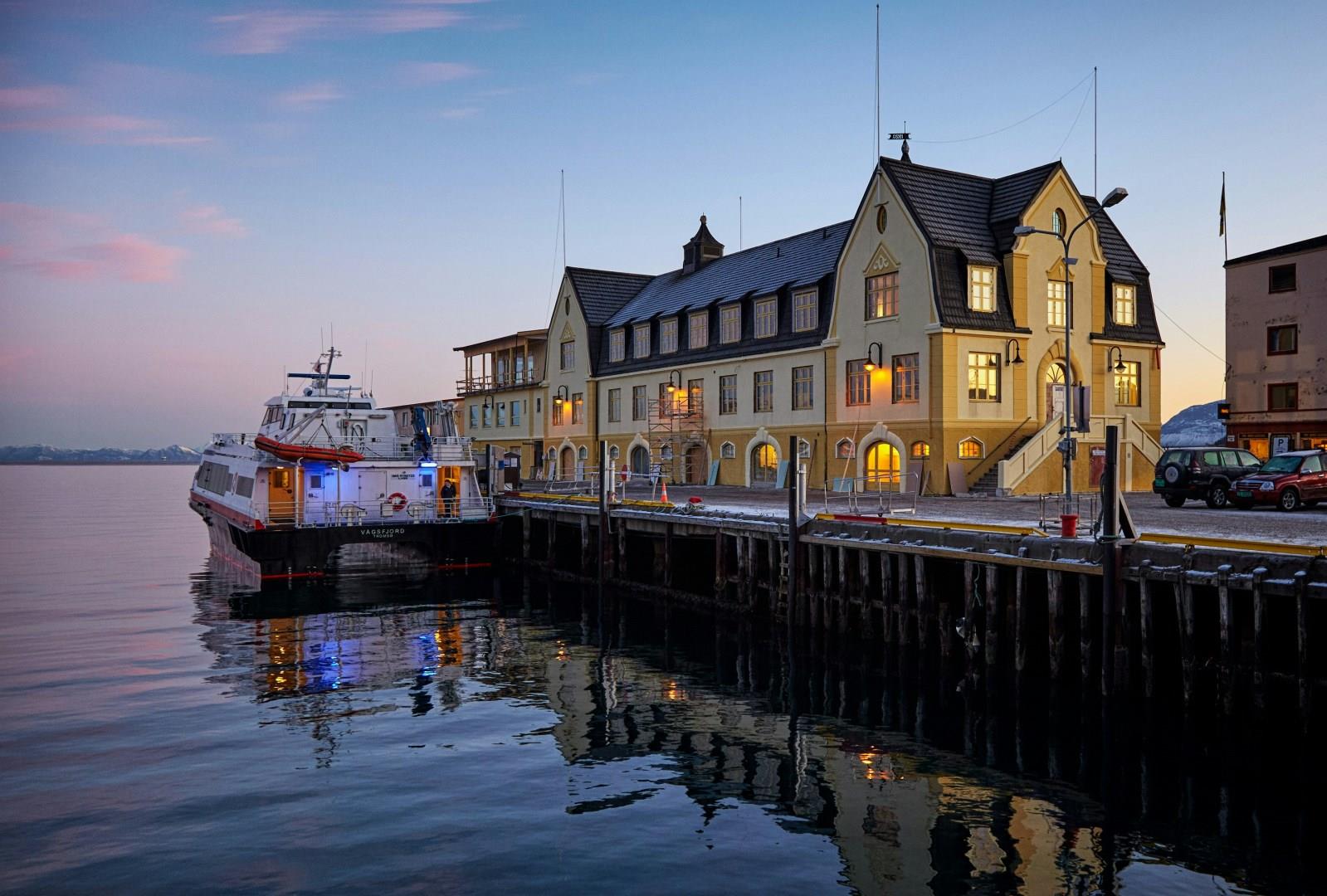
Harstad
Harstad is a coastal town in northern Norway, located on Hinnøya, the country’s largest island, and overlooking the strategic waters of Vågsfjorden. Its history spans from Viking settlements to modern fishing and shipping, giving the town a blend of maritime heritage and regional importance.
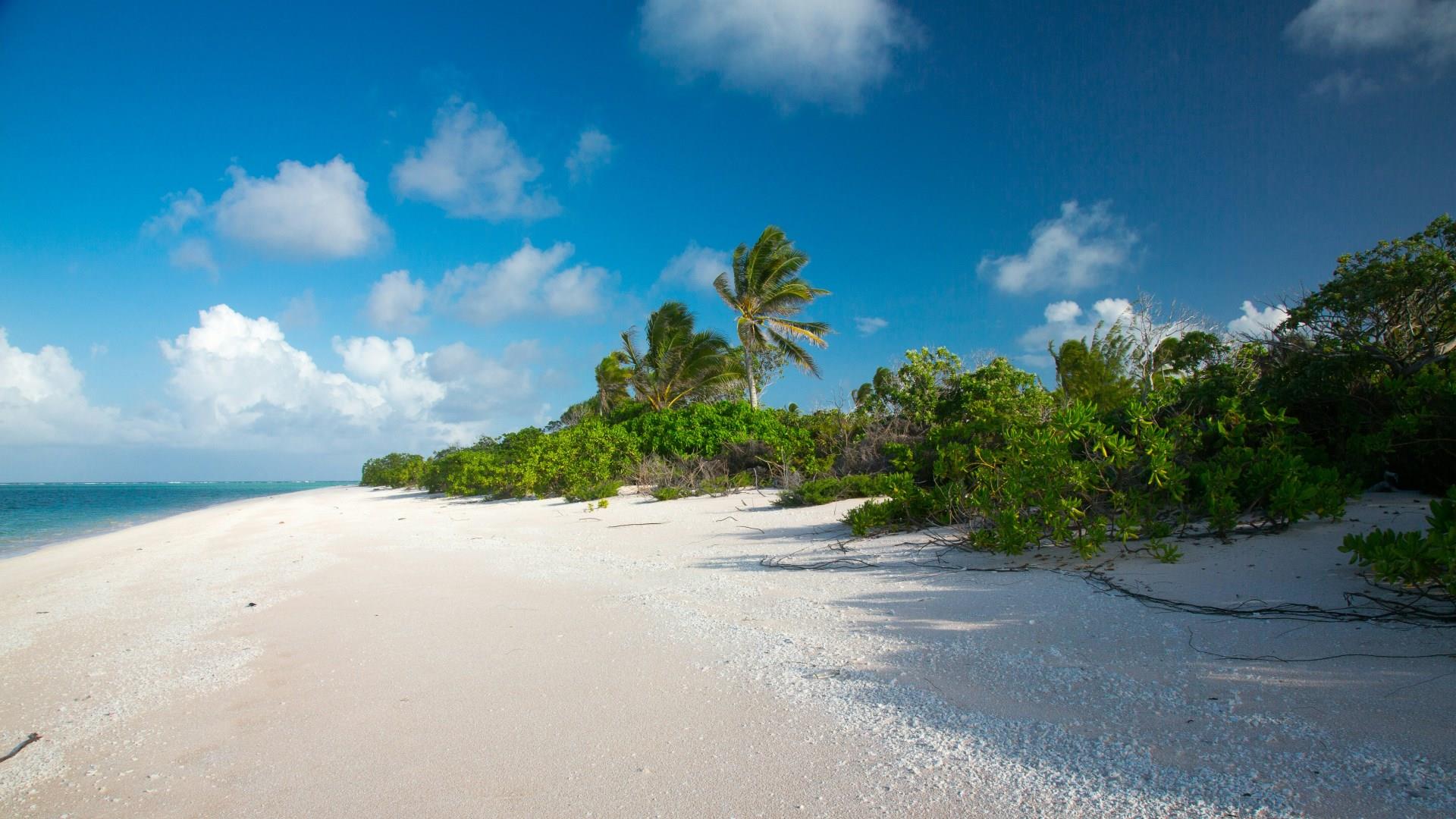
Bikini Atoll
Bikini Atoll, a remote ring of islands in the Marshall Islands, is one of the most sought-after wreck diving locations in the world. These underwater sites are preserved in a time capsule-like state, providing a rare look at history submerged in a silent world of coral and marine life.
