
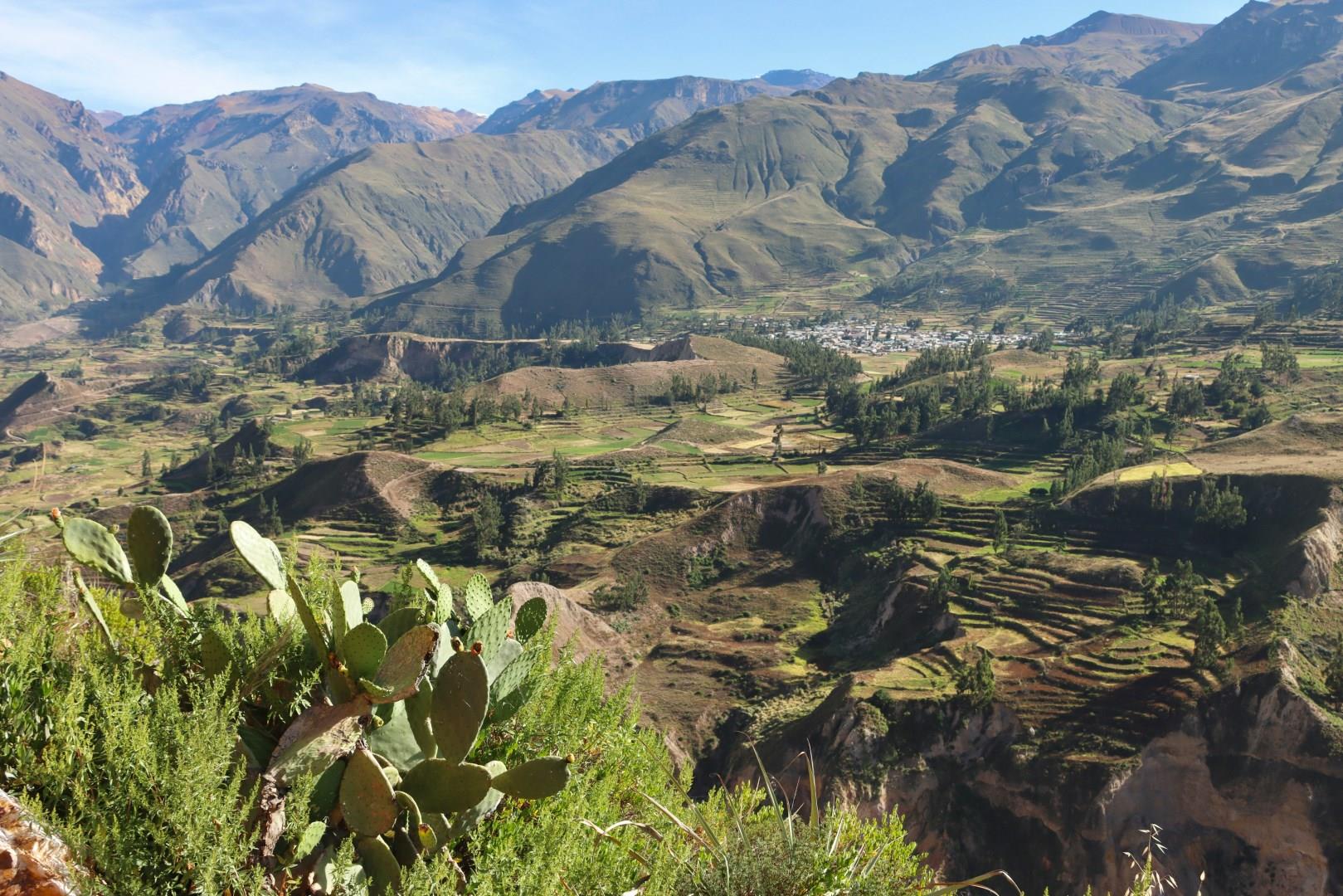
Colca Canyon
Colca Canyon, located in southern Peru’s Arequipa region, is one of the deepest canyons in the world, twice as deep as the Grand Canyon in some areas. What makes it stand out even more is how human settlements have coexisted with the landscape for centuries. Along its walls, pre-Inca agricultural terraces still hold crops like corn and quinoa. One of the main draws of the canyon is the opportunity to see Andean condors in flight.
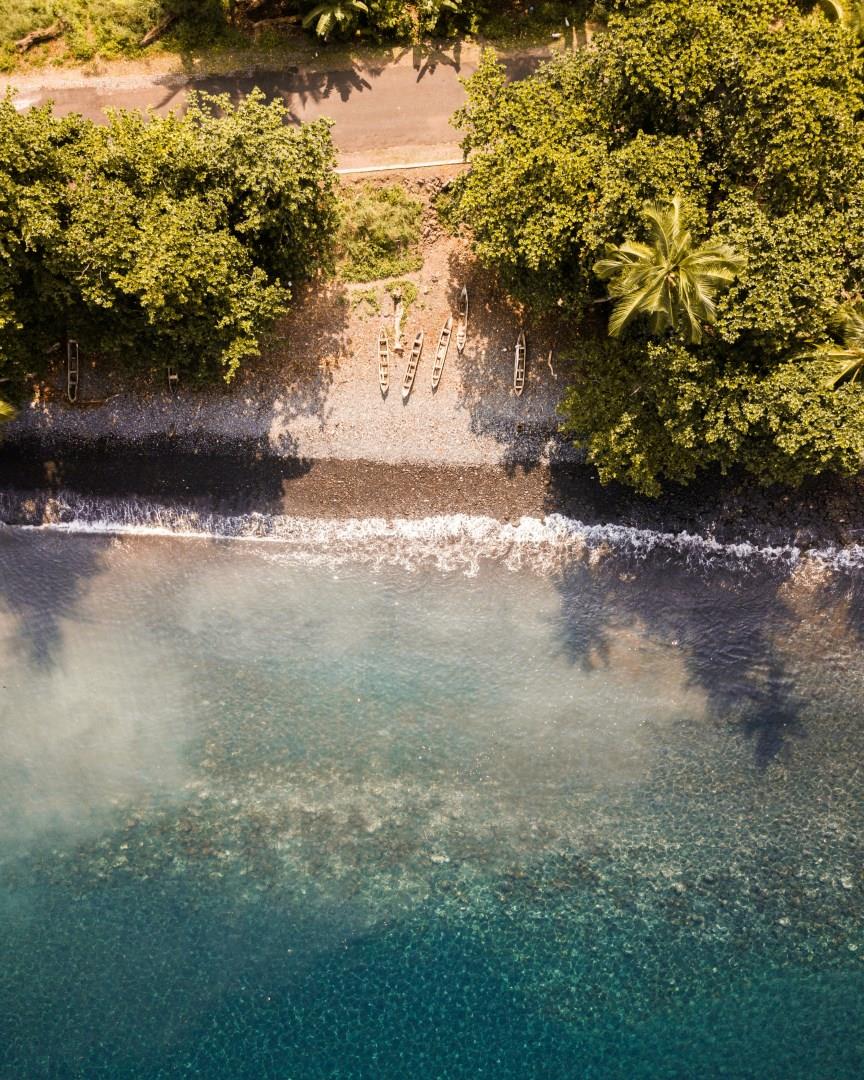
Sao Tome Island
São Tomé Island, the larger of the two islands in São Tomé & Príncipe, offers travelers a balance of culture, history, and dramatic natural scenery. Its capital, São Tomé city, is a coastal hub filled with colonial architecture, lively markets, and a welcoming atmosphere.

Bruges
Bruges, often referred to as the "Venice of the North," is a city where medieval charm meets modern allure. Nestled in the heart of Belgium's Flanders region, Bruges is renowned for its well-preserved medieval architecture, winding canals, and cobblestone streets that invite visitors to step back in time.

Costa Maya
This small cruise port is located in Mexico's Yucatan peninsula south of Playa del Carmen, near Belize. It is famous for Chacchoben, a breathtaking set of Mayan ruins. The port has a new and modern shopping mall and the central plaza has saltwater pools and 'swim-up' style bars for tourists to enjoy.
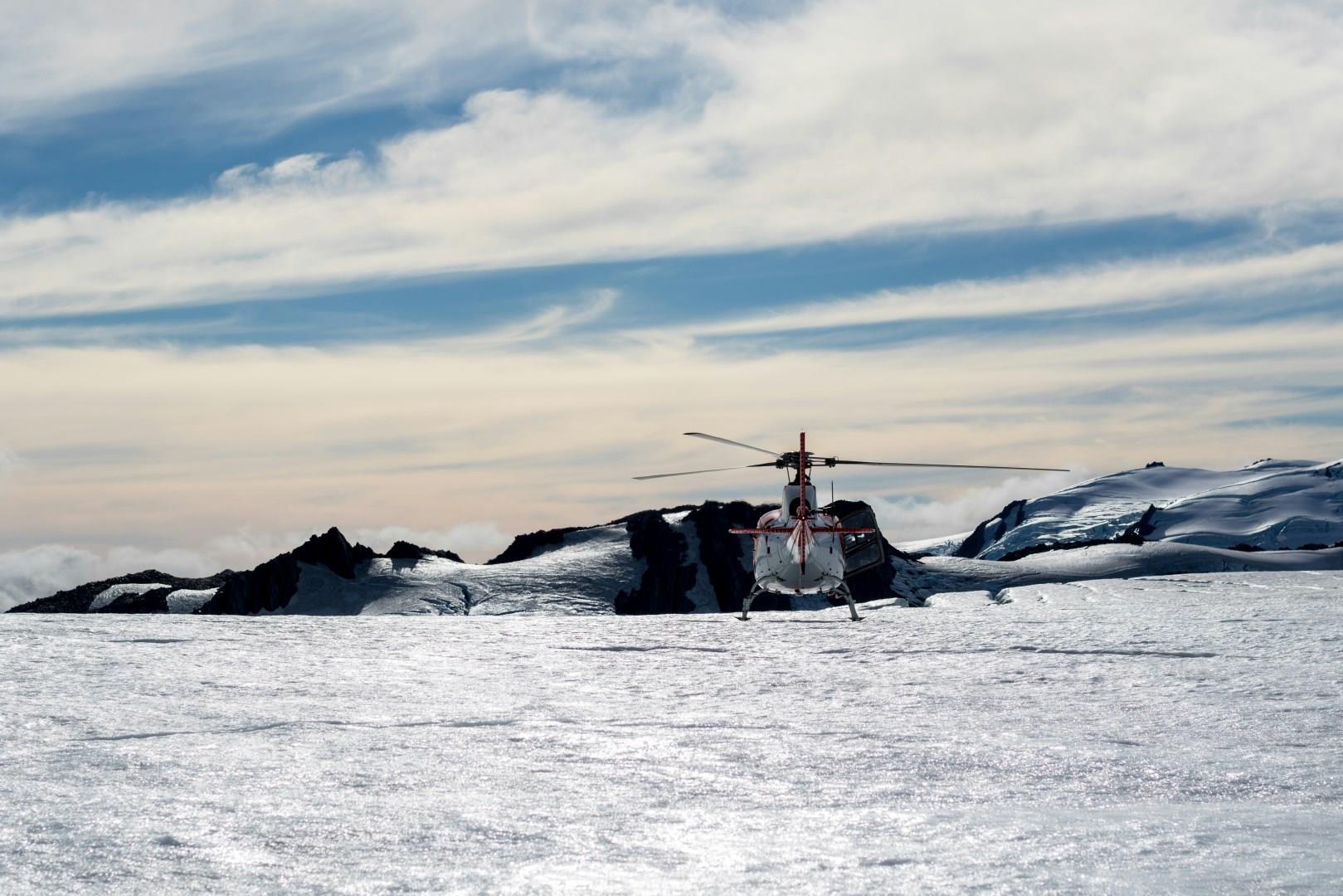
Fox Glacier
Fox Glacier, on New Zealand’s South Island, is one of the country’s most remarkable natural wonders, where icy landscapes meet lush rainforest. Named after Sir William Fox, a 19th-century Prime Minister of New Zealand, the glacier stretches from the high peaks of the Southern Alps down into temperate rainforest.
