
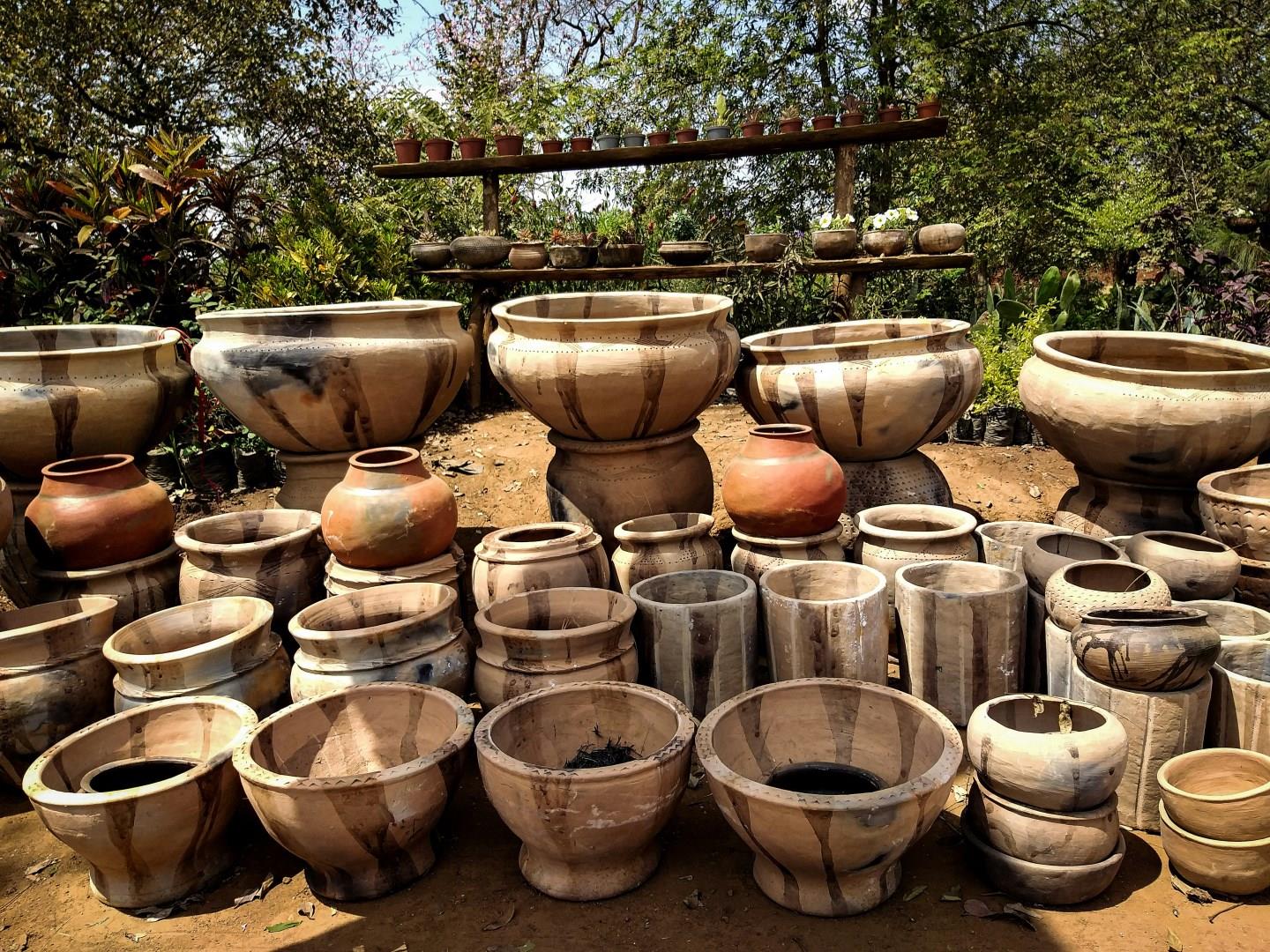
Lilongwe
Lilongwe, the capital of Malawi, blends modern development with a laid-back atmosphere, offering visitors an introduction to the country’s culture and daily life. Markets are at the heart of Lilongwe’s character, with the bustling Old Town Market standing out as a must-visit. Here, traders sell everything from fresh produce and local crafts to colorful fabrics and handmade goods.

Luxor
On the Nile's east bank sits Luxor, a onetime stronghold for Egyptian pharaohs. Key sites include Luxor Temple, Karnak Temple, and the Valley of the Kings.

Motril
Motril, Spain, is located near the Guadalfeo River on the Mediterranean coast in the province of Granada. Sugar cane refineries form the backbone of Motril's economy, though tourism is also an essential industry.

Kings Wharf
King's Wharf is the largest and most active port in Bermuda, with a high volume of cruise ship and ferry traffic. Shopping, restaurants and museums are close by.

Katakolo
Katakolon, also known as Katakolo, is a charmingly small port and fishing town on the coast of Greece. A primary entryway to the nearby ancient ruins of Archaia Olympia, Katakolon is a popular stop on many Mediterranean cruises. Before heading to Olympia, be sure to unwind on the warm Grecian sands of Paralia Katakolo or savor a bite of fresh seafood at one of Katakolon’s quaint cafés.
