

Singapore
Singapore, a sovereign city-state in Southeast Asia, is known for its blend of modern innovation, cultural diversity, and green urban planning. Its skyline features striking architecture such as Marina Bay Sands and the Supertree Grove at Gardens by the Bay, while its neighborhoods highlight cultural influences from Chinese, Malay, Indian, and Peranakan heritage. The city is also celebrated for its efficiency, safety, and status as a global financial hub.
Burgos
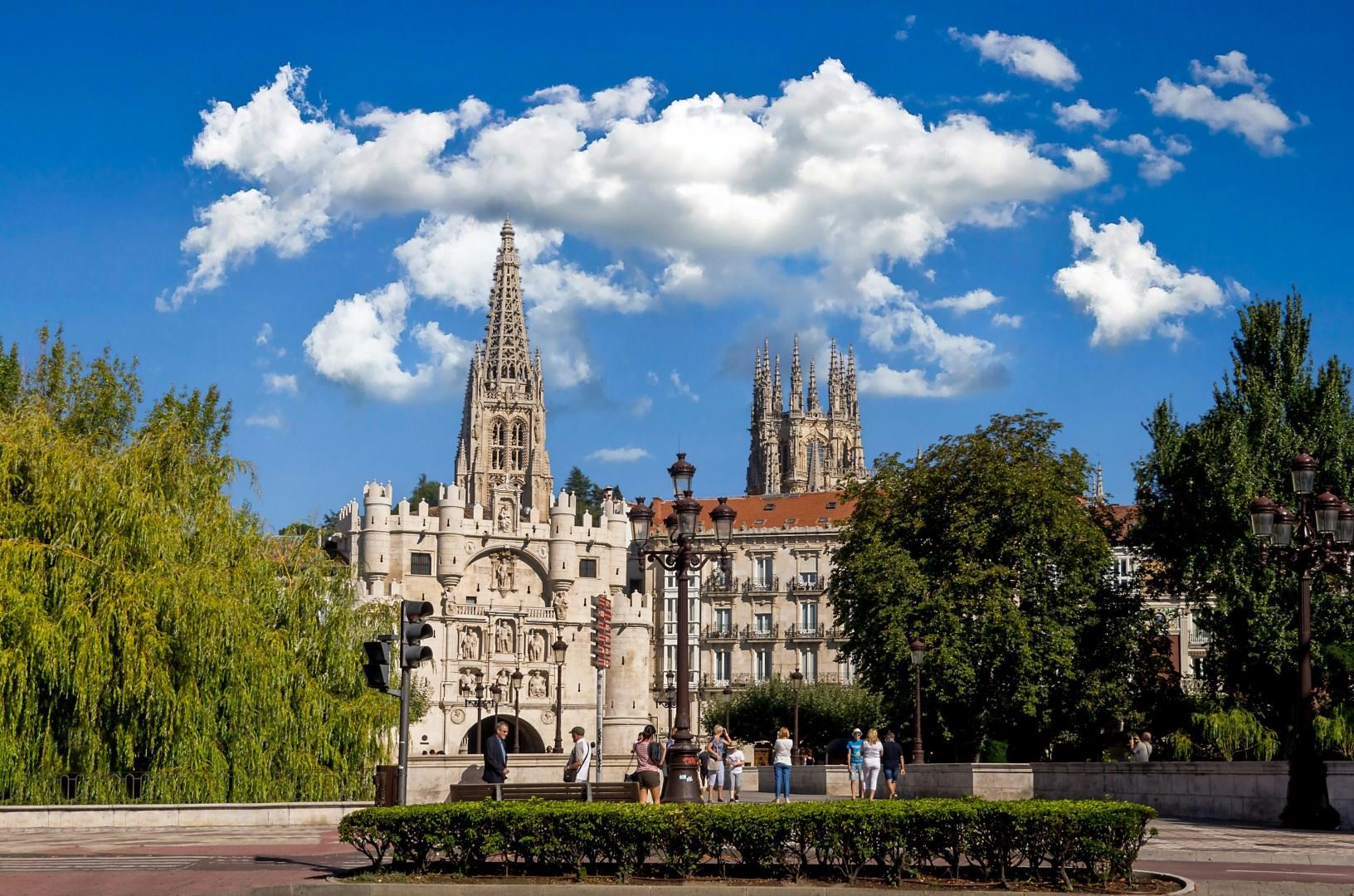
Burgos, located in northern Spain, is a city where medieval heritage is still part of daily life. At its heart stands the Burgos Cathedral, a UNESCO World Heritage Site and one of the most striking examples of Gothic architecture in Europe. Construction began in 1221 and continued for over 300 years, resulting in a cathedral that features elaborate spires, stained glass, and the tomb of El Cid, Spain’s legendary military leader.

Galle
Galle, a coastal city in southern Sri Lanka, is a place where history and the sea are inseparably linked. Once a vital port on the spice trade routes, Galle reached its peak under Dutch colonial rule in the 17th century, when the massive Galle Fort was built.
Puerto Viejo de Talamanca
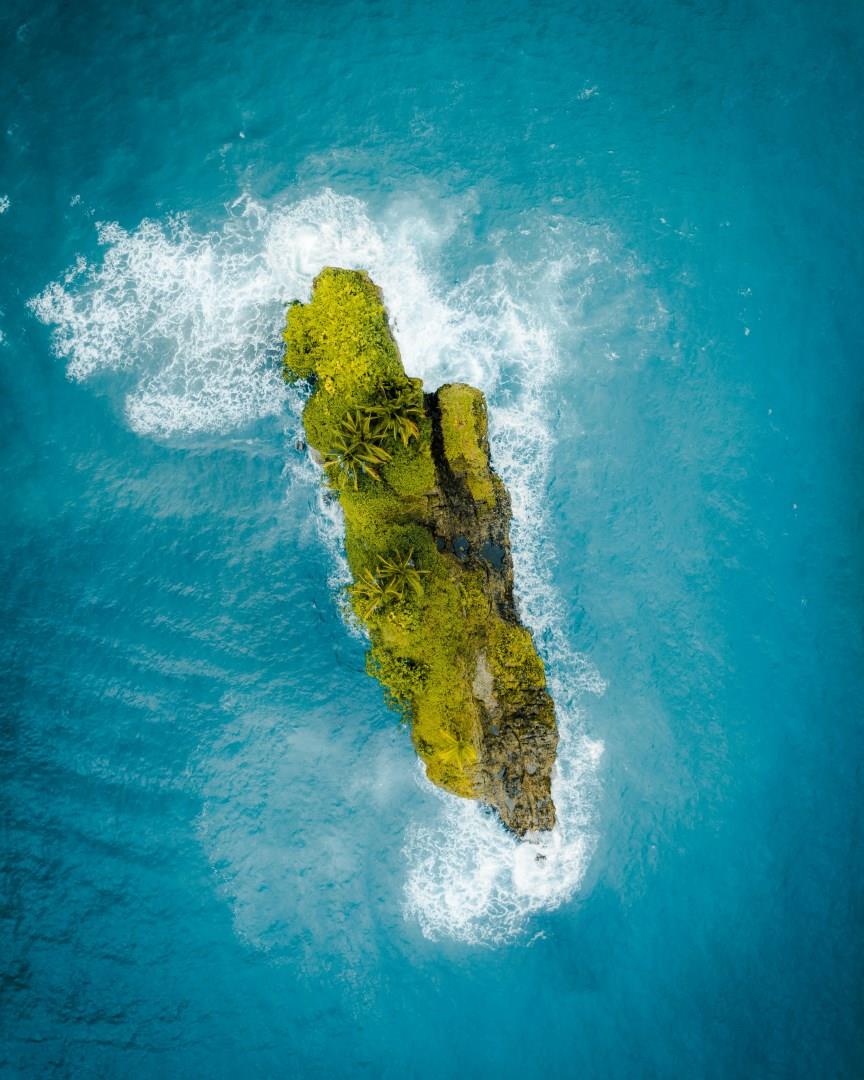
Puerto Viejo de Talamanca, on Costa Rica’s southern Caribbean coast, is a lively seaside town where Afro-Caribbean culture, indigenous traditions, and tropical landscapes come together. Once a quiet fishing village, it is now known for its reggae rhythms, colorful wooden houses, and a laid-back atmosphere.
Tampico
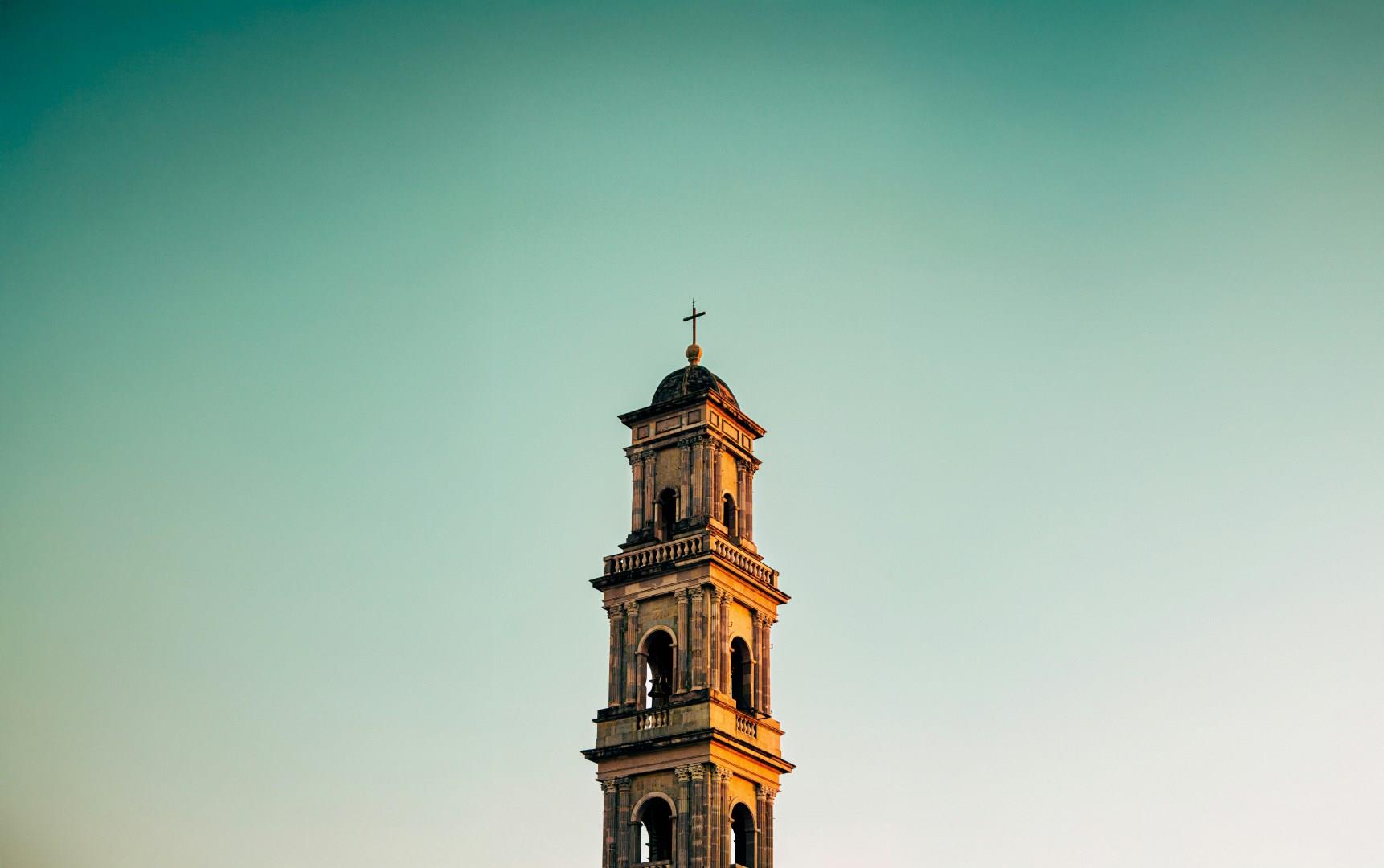
Tampico, located on the Gulf Coast of Tamaulipas, is a port city with a layered history shaped by trade, oil, and immigration. Its downtown district is known for neoclassical buildings, many of which were constructed with imported bricks and ironwork from Europe during the oil boom of the early 20th century. One of Tampico’s most photographed structures is the Mercado Municipal, rebuilt in recent years but still functioning as a central hub for daily life.
