
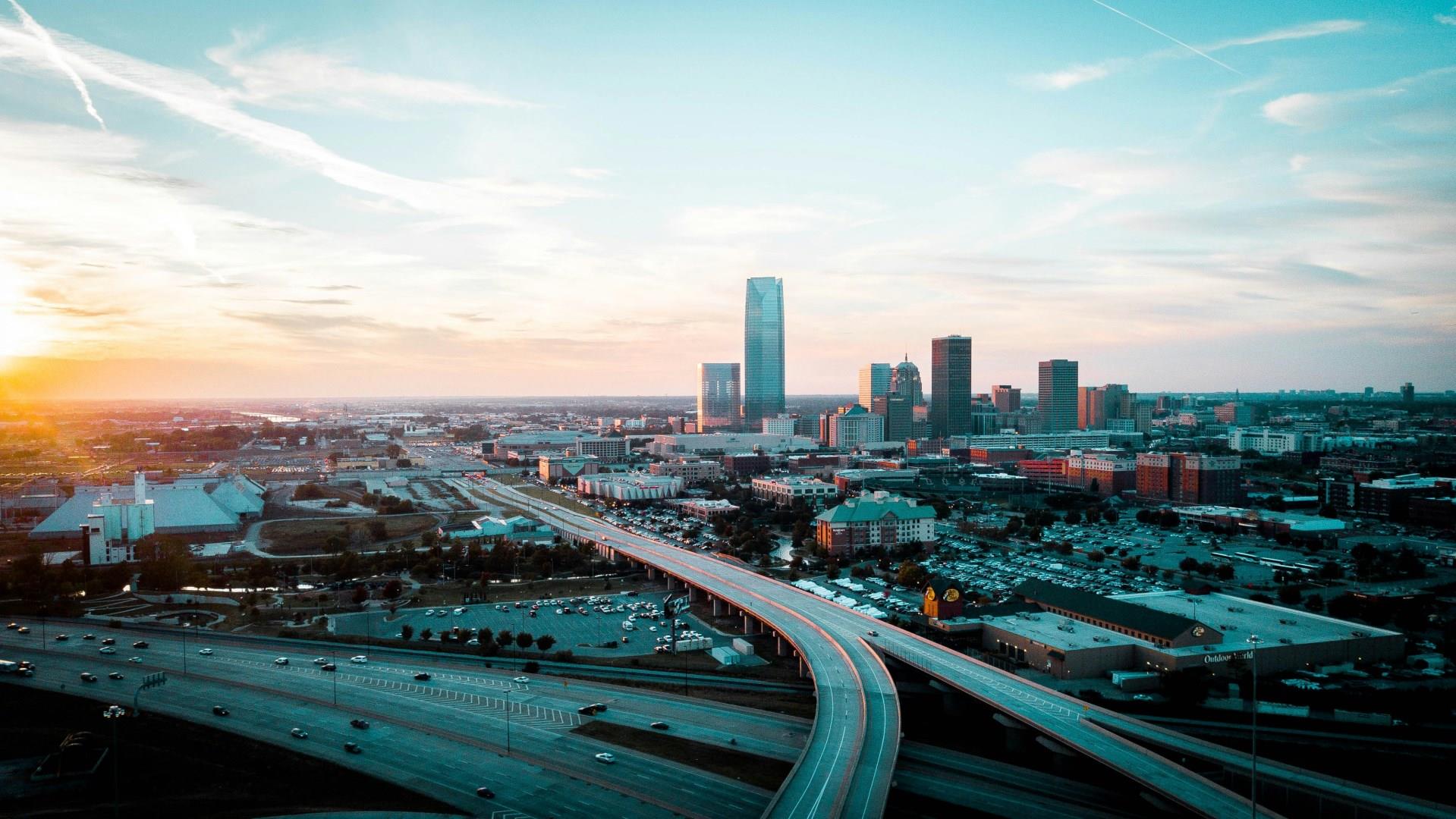
Oklahoma City
Oklahoma City stands at the crossroads of Western tradition and modern energy. It’s a place where cowboy boots walk into sleek coffee shops, and horse shows take place just a few miles from contemporary art galleries. A good starting point is the National Cowboy & Western Heritage Museum, home to one of the largest collections of Western art and artifacts in the world.
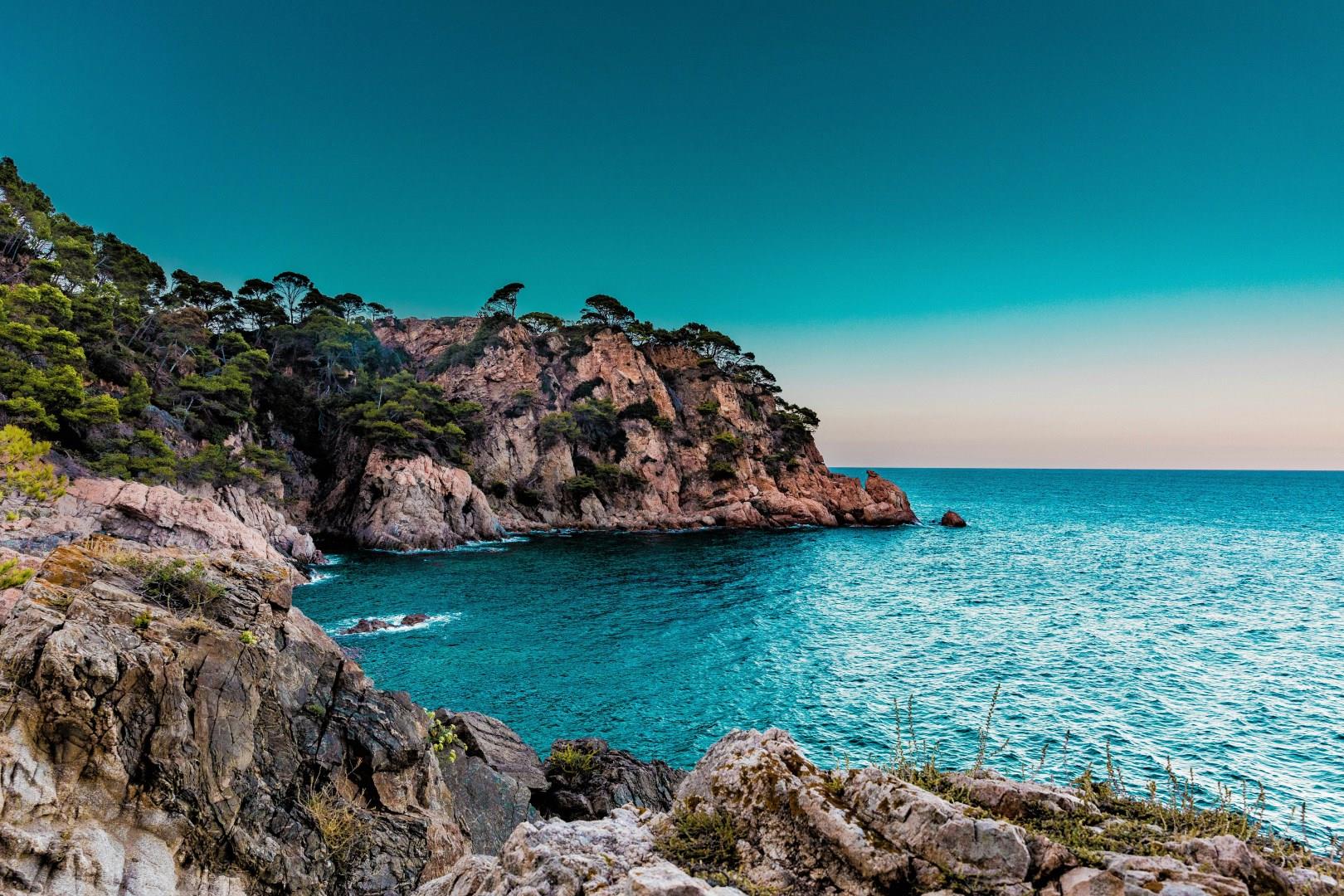
Marbella
Marbella, located between the Mediterranean Sea and the Sierra Blanca mountains, is often associated with its luxury resorts and famous marina, Puerto Banús. But beyond the polished storefronts and designer yachts, the city has a layered past. Its old town, known as Casco Antiguo, is a well-preserved network of narrow streets built during Moorish rule, with whitewashed buildings, flower-filled balconies, and hidden plazas like Plaza de los Naranjos, which dates back to the 15th century.

Coromandel Peninsula
The Coromandel Peninsula on New Zealand’s North Island is a place where coastline and culture come alive in ways that stay with visitors long after they’ve left. Stretching for about 110 kilometers between the Hauraki Gulf and the Bay of Plenty, this region has deep roots that go back to the arrival of Māori long before Europeans stepped ashore.

Pécs
Pécs, Hungary, is a city that seamlessly blends history, culture, and a vibrant modern atmosphere. Nestled at the foot of the Mecsek Mountains in southern Hungary, Pécs boasts a rich heritage that dates back over 2,000 years. Visitors are often captivated by the city’s unique blend of Roman, Ottoman, and Hungarian influences.

Ancona
Ancona, perched on the Adriatic coast of Italy, is a vibrant port city with a rich historical tapestry and stunning seaside vistas. As the capital of the Marche region, Ancona boasts a captivating blend of ancient and modern charm. The city’s historical heart is evident in landmarks like the Roman Arch of Trajan, which stands as a testament to Ancona’s significance during Roman times.
