
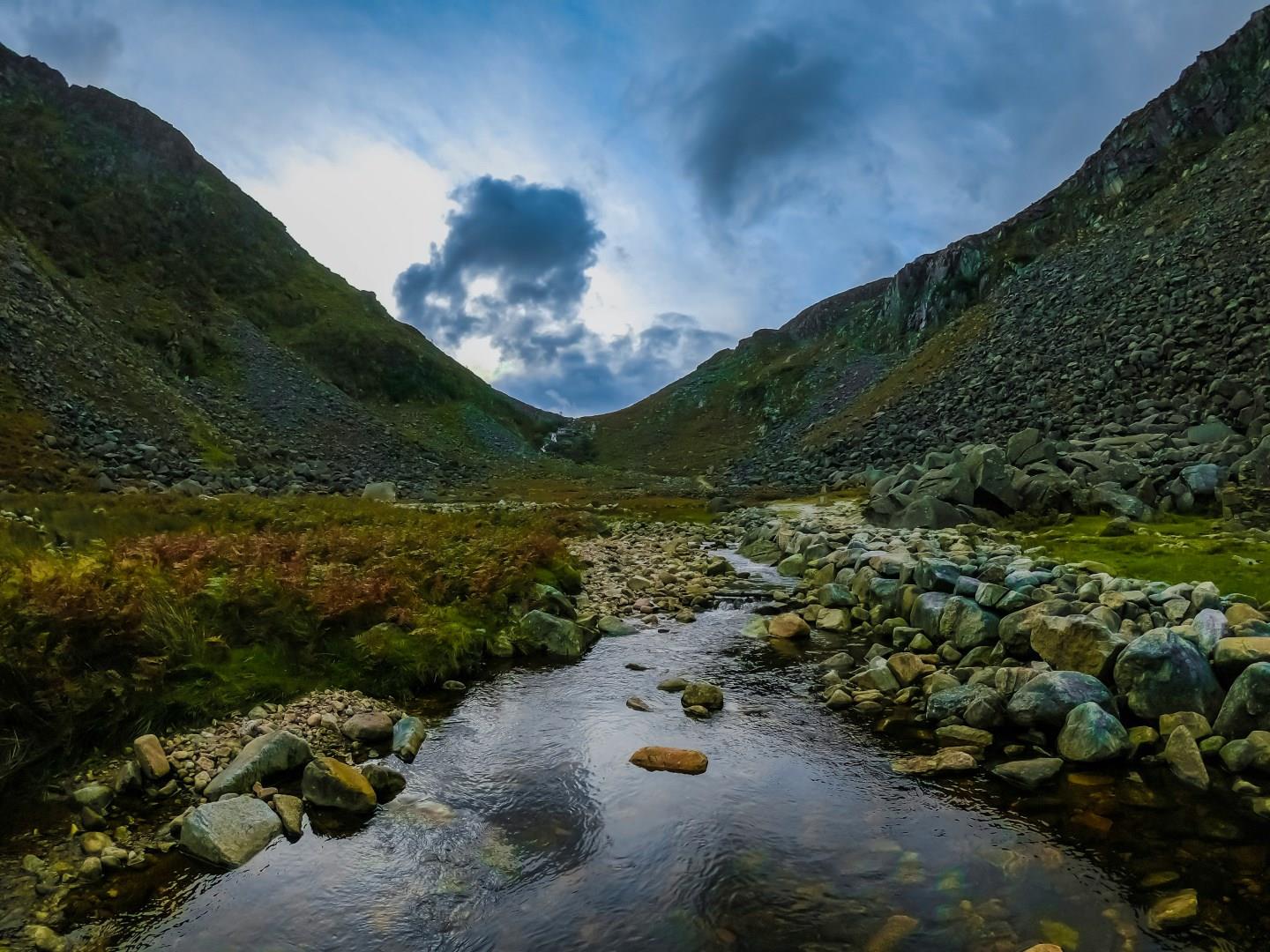
Glendalough
Glendalough, located in County Wicklow, is one of Ireland’s most historically significant and visually striking valleys. It’s best known for its early medieval monastic site, founded by St. Kevin in the 6th century. The round tower, cathedral ruins, and stone churches that remain today are surrounded by forests, lakes, and mountain trails, creating a setting that feels both ancient and untouched.

Laos
Laos, a landlocked country in Southeast Asia, is known for its lush landscapes, winding rivers, and rich Buddhist culture. The Mekong River flows along much of the country’s western border, offering both vital transportation routes and scenic vistas. Rolling hills, dense forests, and limestone karsts provide opportunities for hiking, kayaking, and exploring remote villages.
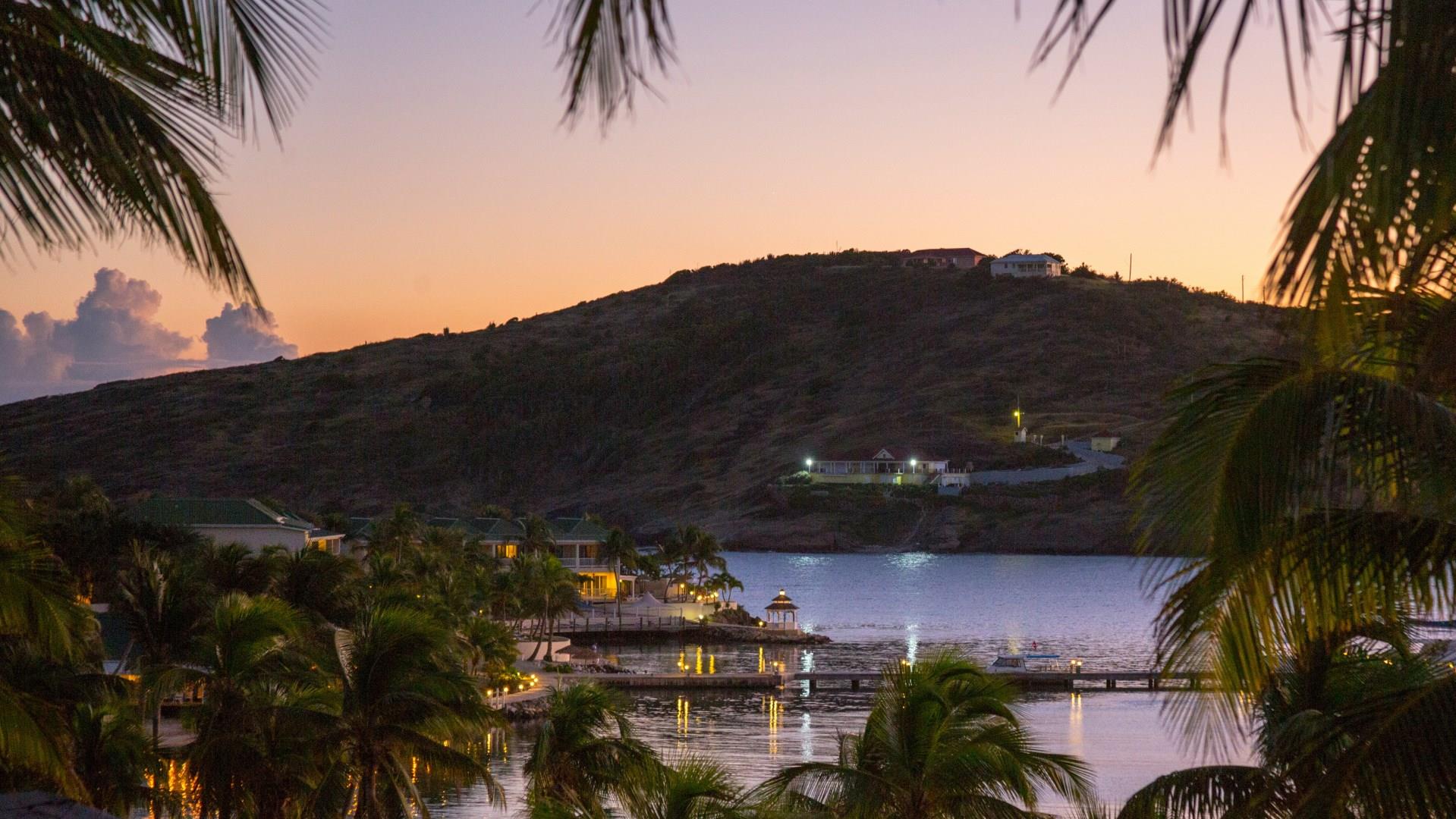
Mamora Bay
Mamora Bay, tucked into Antigua’s southern coastline, is a serene crescent-shaped bay framed by gentle hills and swaying palms. Known for its calm, sheltered waters, the bay offers a tranquil setting that contrasts with the island’s more rugged Atlantic side.

Le Havre
Le Havre is a captivating port city in Normandy, France where the English Channel meets the Seine River. Having evolved from a small fishing village into a bustling maritime hub, it is a blend of rich history, modern architecture, and stunning natural beauty. The city's historic roots are especially evident in landmarks such as the Graville Abbey, one of the oldest monuments in the area, and the impressive St. Joseph's Church, a modern architectural marvel designed by Auguste Perret.
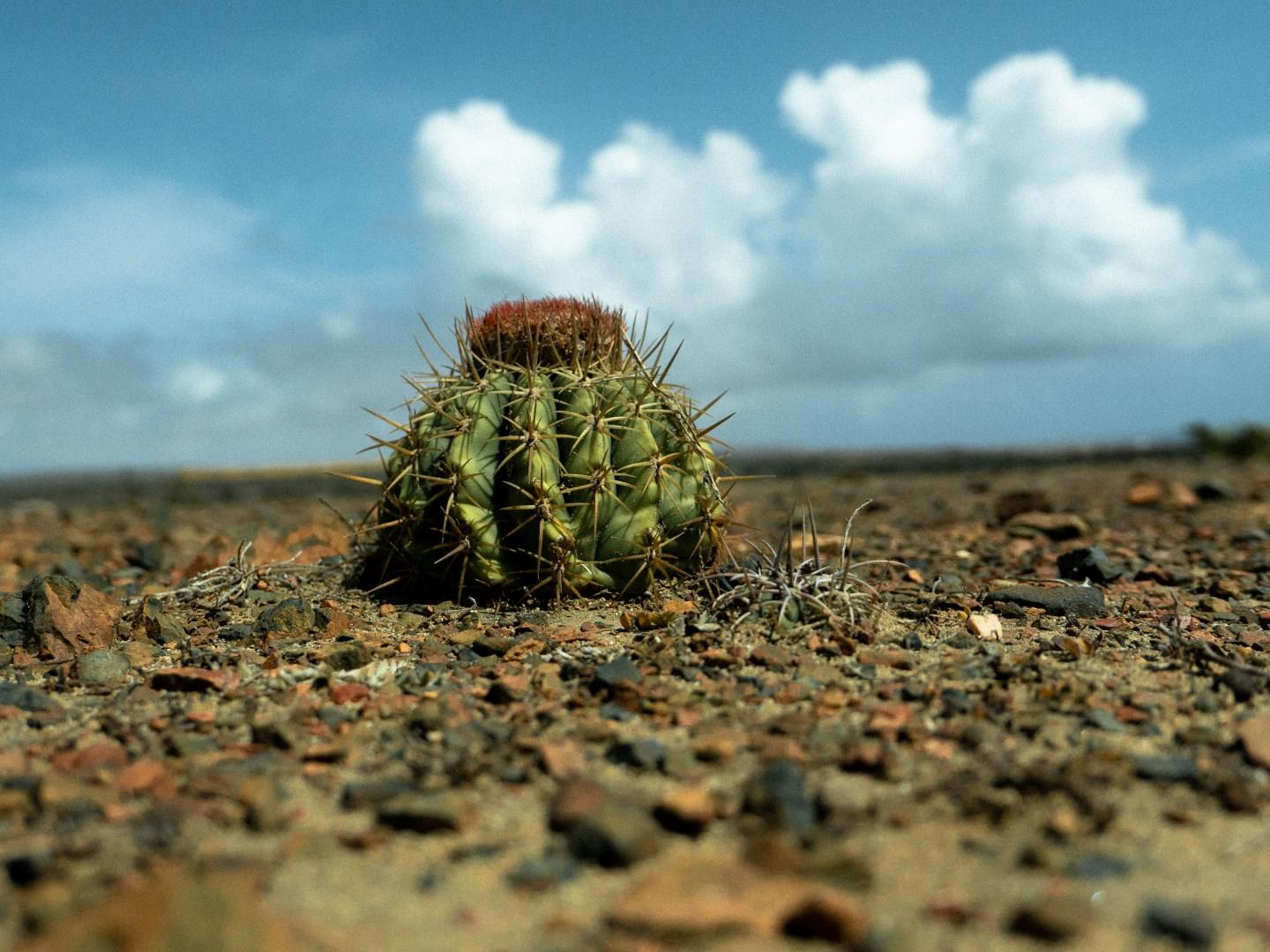
Arikok National Park
Arikok National Park, covering nearly 20% of Aruba, is a striking showcase of the island’s rugged landscapes, cultural history, and biodiversity. Unlike the postcard image of Aruba’s white-sand beaches, Arikok reveals a wilder side, with windswept hills, desert-like terrain, and dramatic limestone cliffs meeting the sea.
