

Punakha
Punakha sits in one of Bhutan’s most fertile valleys, cradled where the Mo Chhu and Pho Chhu rivers meet. For centuries it served as the kingdom’s capital and remains a place rich with stories woven through its fields, temples, and riverbanks. The city’s low elevation brings warmer weather than much of Bhutan’s highland regions, and rice paddies fill the landscape with vivid green during planting and golden hues at harvest.
Nevis
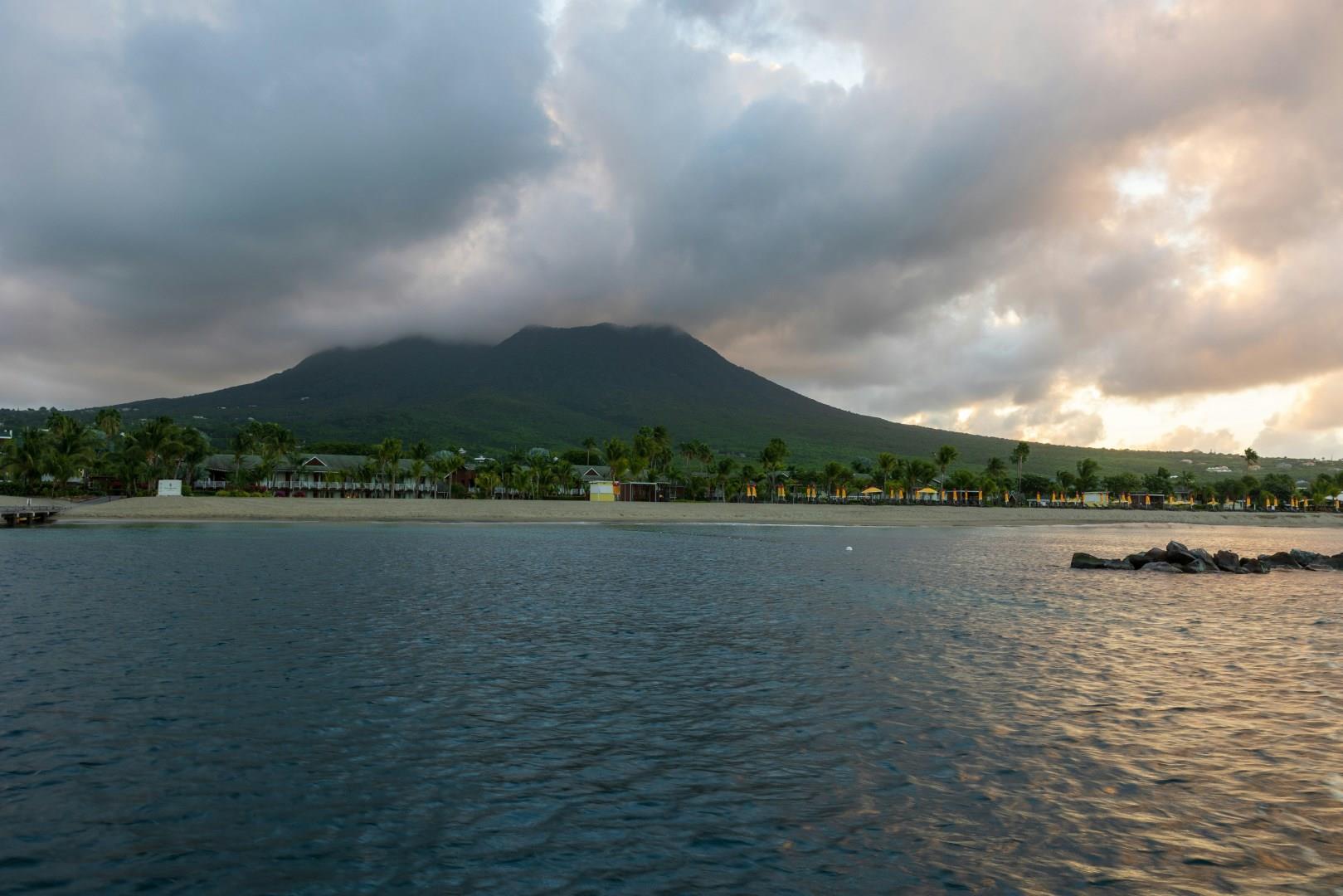
Nevis, the smaller of the two islands in the Federation of St. Kitts and Nevis, is often described as the more tranquil and unspoiled counterpart to its sister island. Dominated by the graceful silhouette of Nevis Peak, a dormant volcano rising to 985 meters, the island is ringed by golden beaches and lush hillsides.
Dushanbe
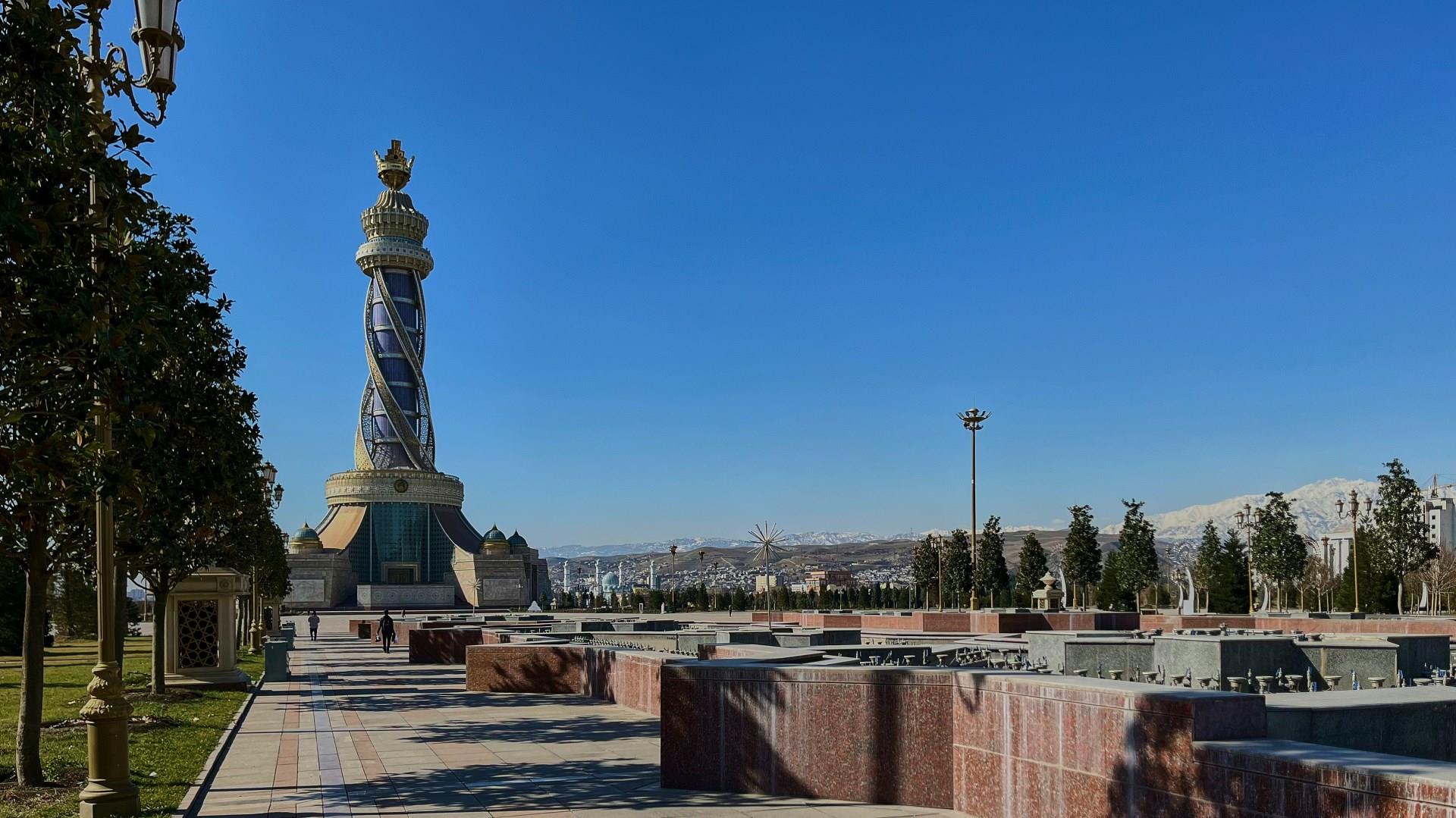
Dushanbe, the capital of Tajikistan, blends Soviet-era architecture with traditional Central Asian culture. The city is known for landmarks such as the National Library, Rudaki Park, and the striking Flagpole Square, which reflect both civic pride and the country’s heritage
Bellagio
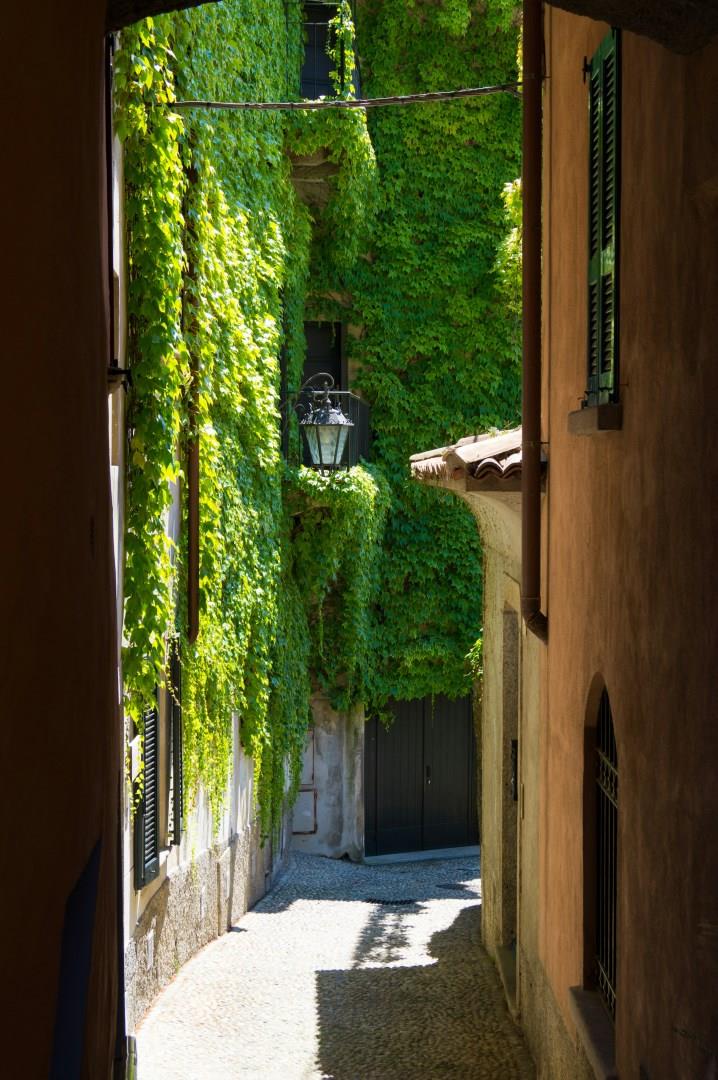
Perched at the meeting point of Lake Como’s three branches, Bellagio is often called the “Pearl of Lake Como” for its spectacular setting and timeless elegance. This Italian village has been a retreat for centuries, drawing poets, aristocrats, and travelers alike with its harmonious blend of natural beauty, refined architecture, and relaxed sophistication.
Luanada
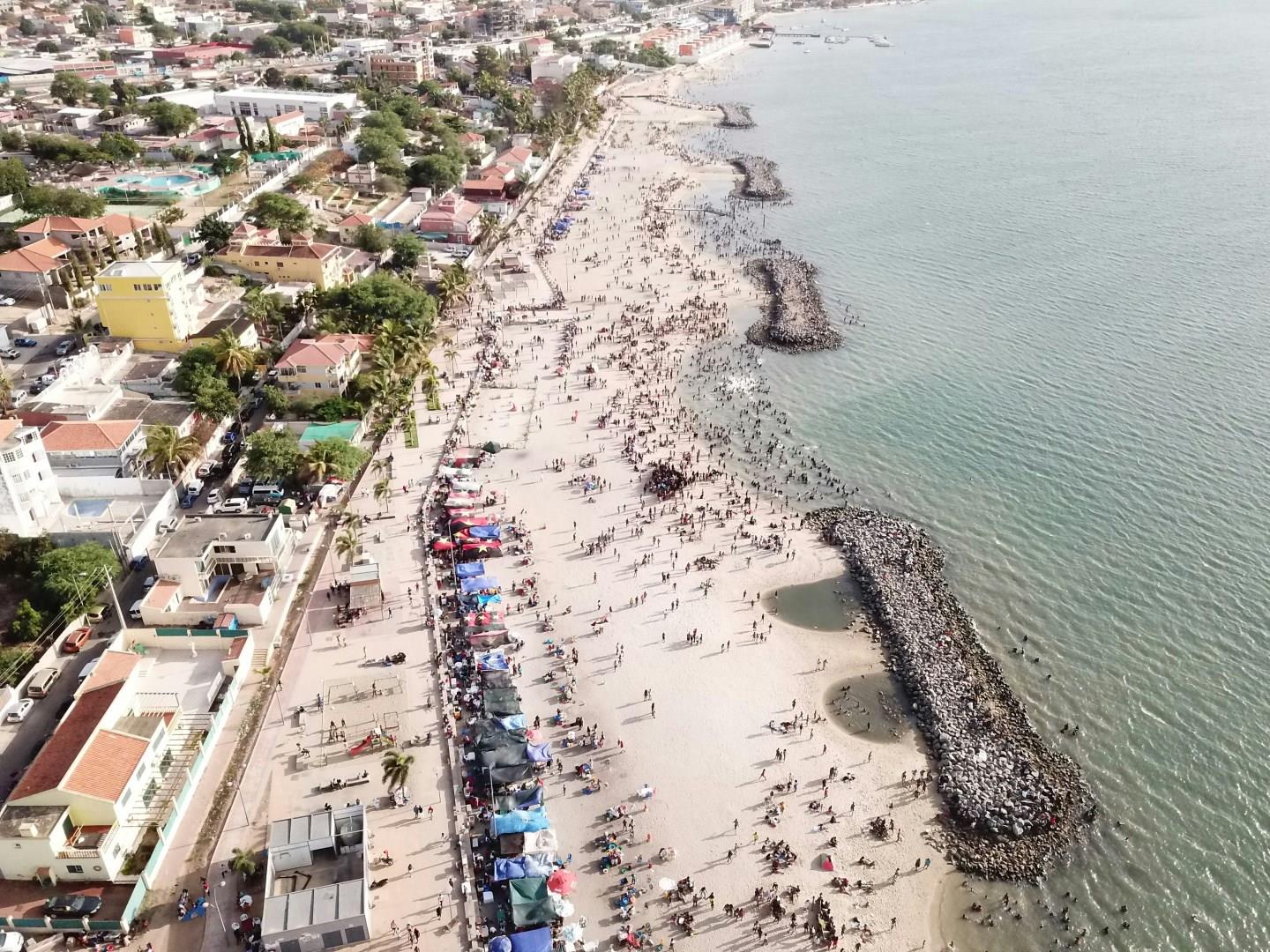
Luanda, the vibrant capital of Angola, is the country's largest city and primary economic hub, known for its bustling energy and rich cultural scene. Modern Luanda is characterized by its dynamic growth and development. The city boasts an impressive skyline, including the Avenida 4 de Fevereiro, a major thoroughfare lined with modern high-rises and vibrant markets. The Baía de Luanda, a stunning bay area, offers beautiful waterfront promenades and opportunities for relaxation and leisure.
