

Caye Caulker
Caye Caulker lies off the coast of Belize, a small island that was once a quiet fishing village and today still feels wonderfully uncrowded compared to many Caribbean destinations. Its name likely comes from an English twist on “Hicaco,” the old Spanish name meaning coco plum, a nod to the island’s early days and bilingual roots.
Konya
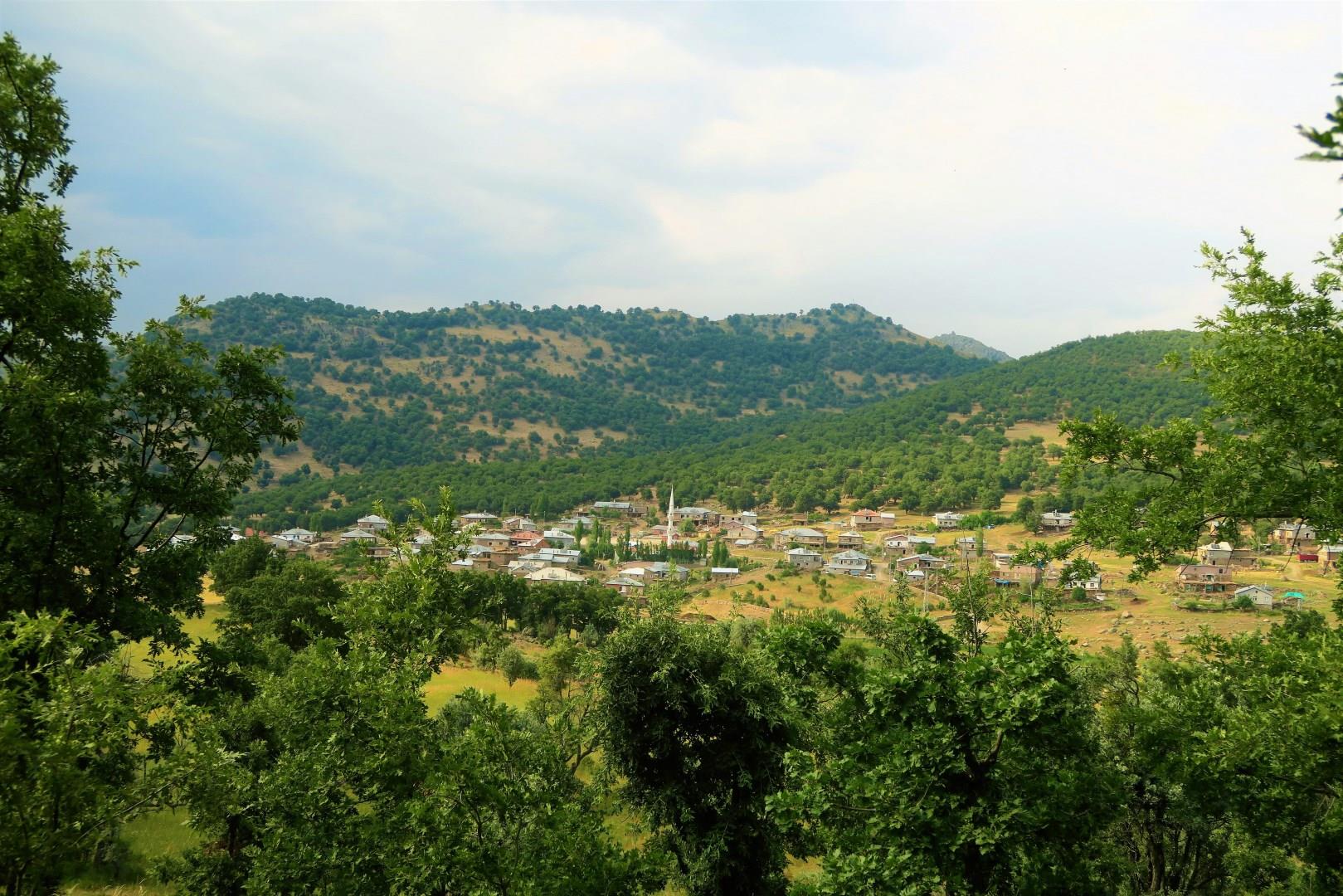
Konya has served as a spiritual center for centuries. Every December, the Şeb‑i Arûs festival marks the passing of Rumi, the Persian mystic, and draws Sufis and visitors from around the world to witness the Sema. Whirling dervish dance is performed to the sound of ney flutes and drums. In one of the country's most hushed and vivid traditions, performers spin in unison in flowing white skirts, a scene that blends meditation with graceful motion in a way found nowhere else.

Southampton
Southampton is a city shaped by the sea. Located on the southern coast of England, it has been a key maritime port for centuries. In 1912, the RMS Titanic set sail from its docks, and today, the SeaCity Museum tells the story through the lives of local residents connected to the voyage. The medieval city walls, which are some of the best-preserved in England, still stand, offering a walk through time with views of old merchant houses, towers, and hidden vaults once used to store wine and wool.

Borgarfjörður
Borgarfjörður, nestled in the heart of West Iceland, offers a captivating blend of natural beauty and cultural heritage. The fjord, surrounded by dramatic mountains and lush green landscapes, provides a picturesque setting for outdoor enthusiasts and nature lovers. One of the highlights of the area is the magnificent Hraunfossar waterfalls, where crystal-clear water cascades over lava fields into the Hvítá River, creating a breathtaking spectacle.
Port of Spain
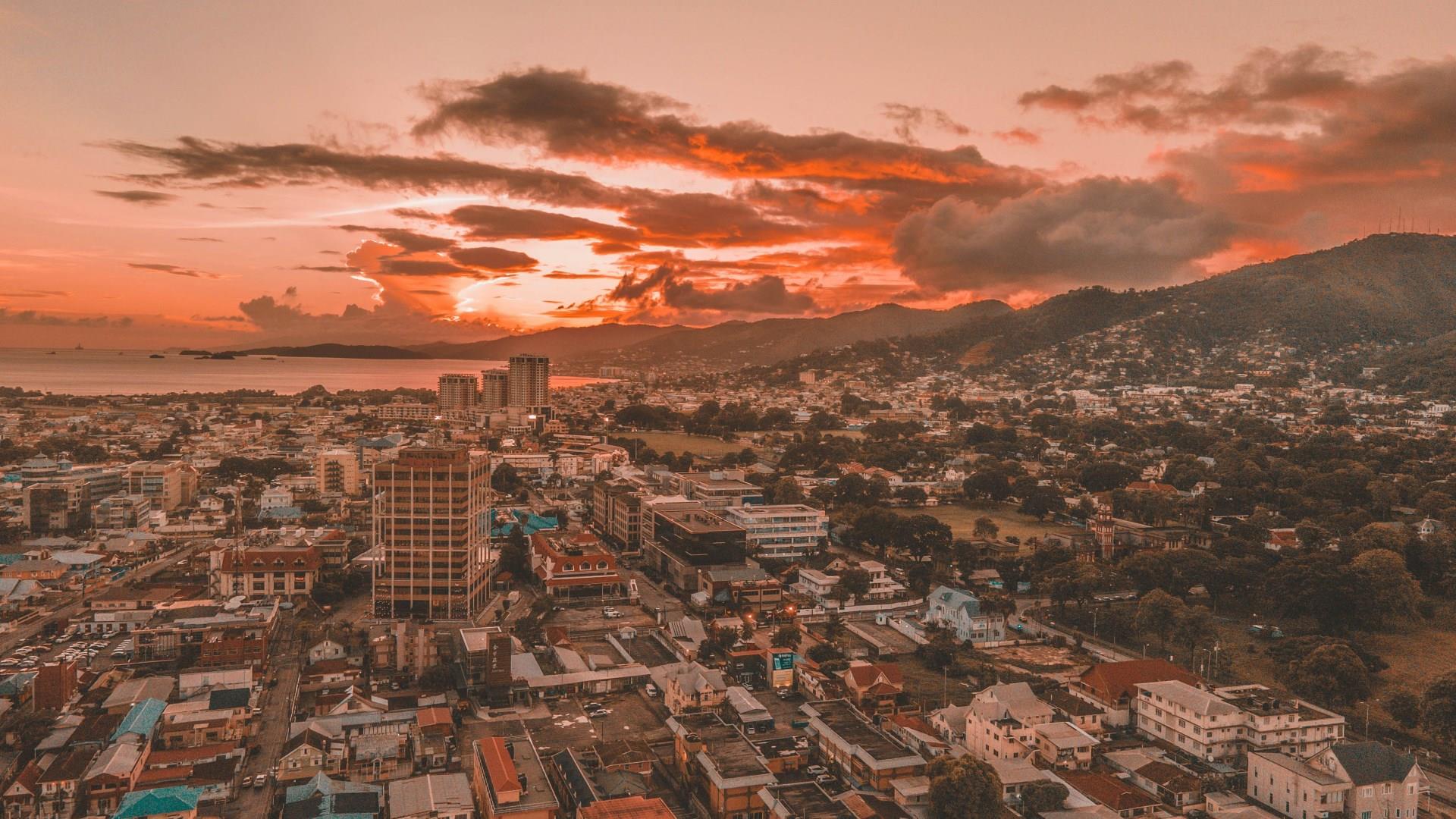
Port of Spain, the capital of Trinidad and Tobago, is a city that brims with cultural energy and layered history. Set against the backdrop of the Northern Range mountains and overlooking the Gulf of Paria, it has long been a hub of trade, migration, and creativity.
