
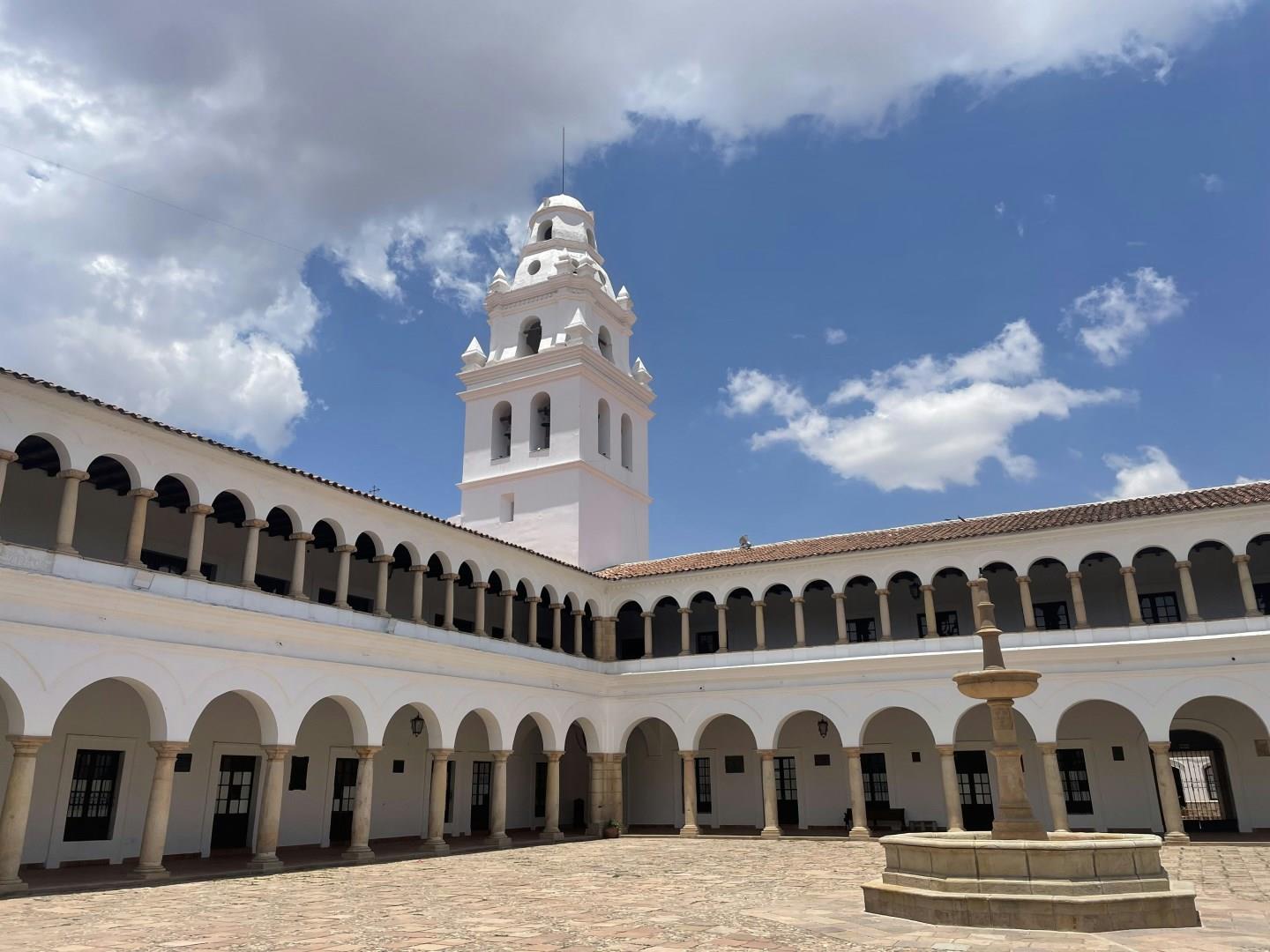
Sucre
Sucre, Bolivia’s constitutional capital, is a city steeped in history and colonial charm. Founded in the 16th century by the Spanish, it played a pivotal role in South America’s independence movements, earning its place as the birthplace of the Bolivian Republic.
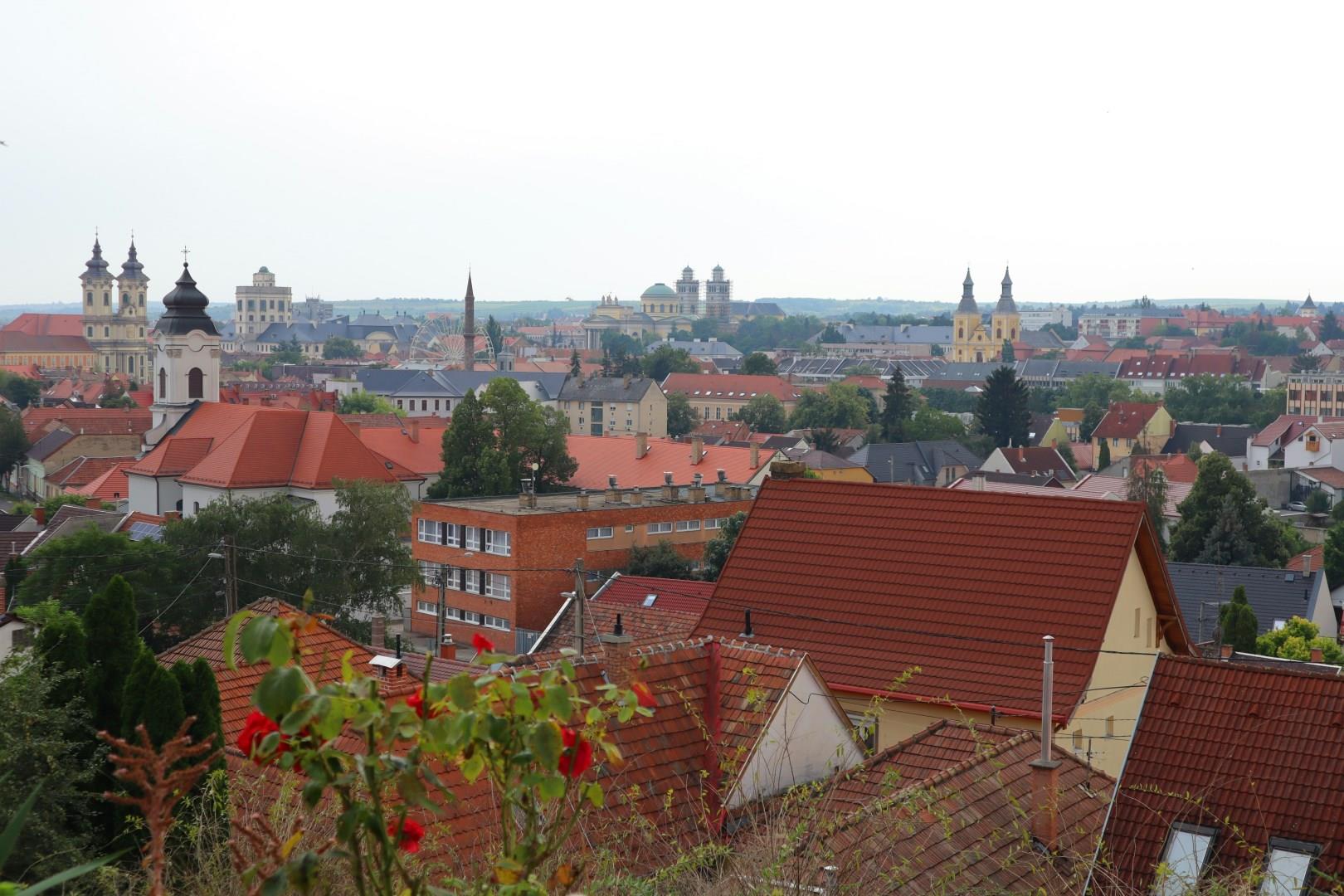
Eger
Eger sits in northern Hungary and is known for its well preserved Baroque center, historic castle and long tradition of wine and craft that draw visitors from across Europe. Just beyond the historic center, generations of winemakers have perfected local styles and offer tastings of local varieties. A casual afternoon here can feel like a gentle cellar crawl, with seasonal music or simple snacks adding to relaxed tastings under vine covered walkways.
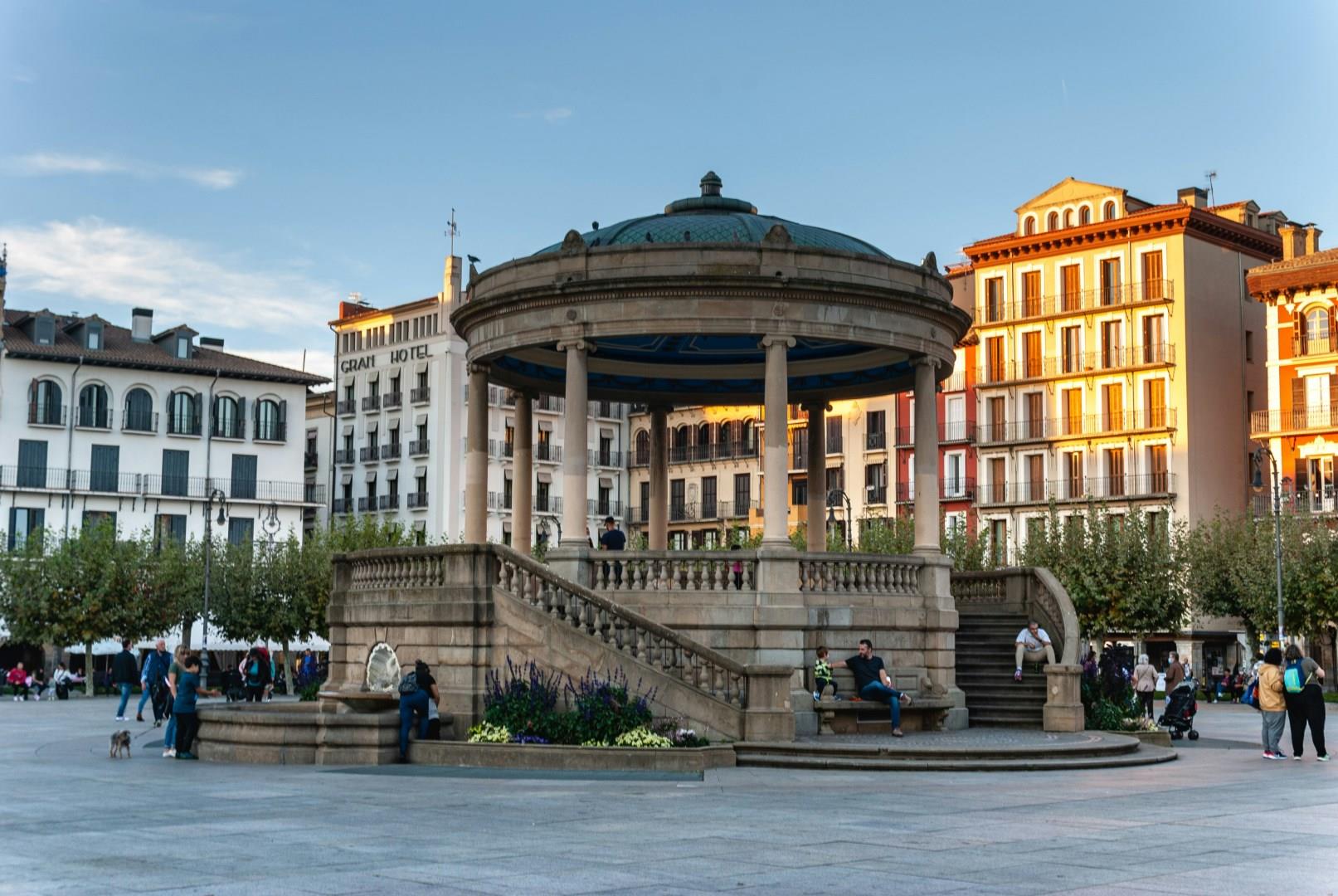
Pamplona
Pamplona, the capital of Spain’s Navarre region, is best known worldwide for the Running of the Bulls during the San Fermín festival each July. But beyond the brief rush of that event lies a city steeped in medieval history, Basque influence, and a slower pace that surprises many visitors. One of the most significant aspects of Pamplona is its place on the Camino de Santiago, the ancient pilgrimage route to Santiago de Compostela.
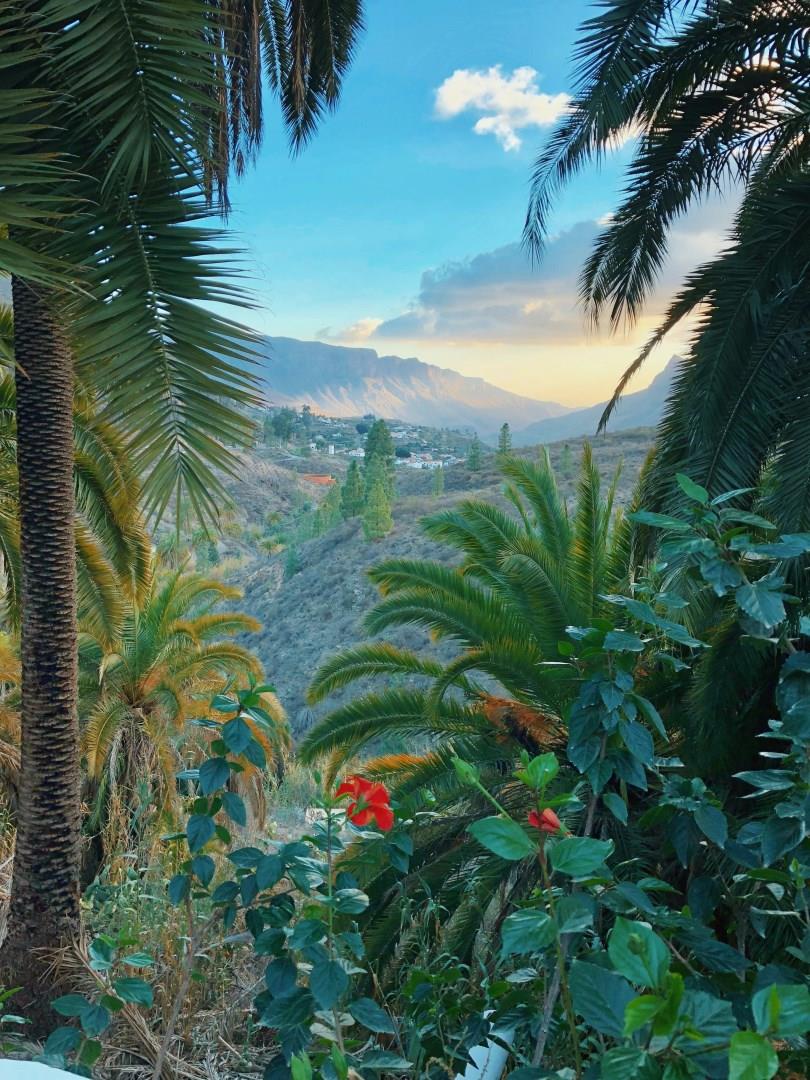
Gran Canaria
There is no other place with such a variety of scenery - deserts, mountains, lush tropical vegetation, and valleys filled with thousands of banana trees. Agriculture here offers everything: lime trees, vine-yards, coffee plantations, sugar cane, almond, tomato and banana crops, as well as, pine and palm forests.
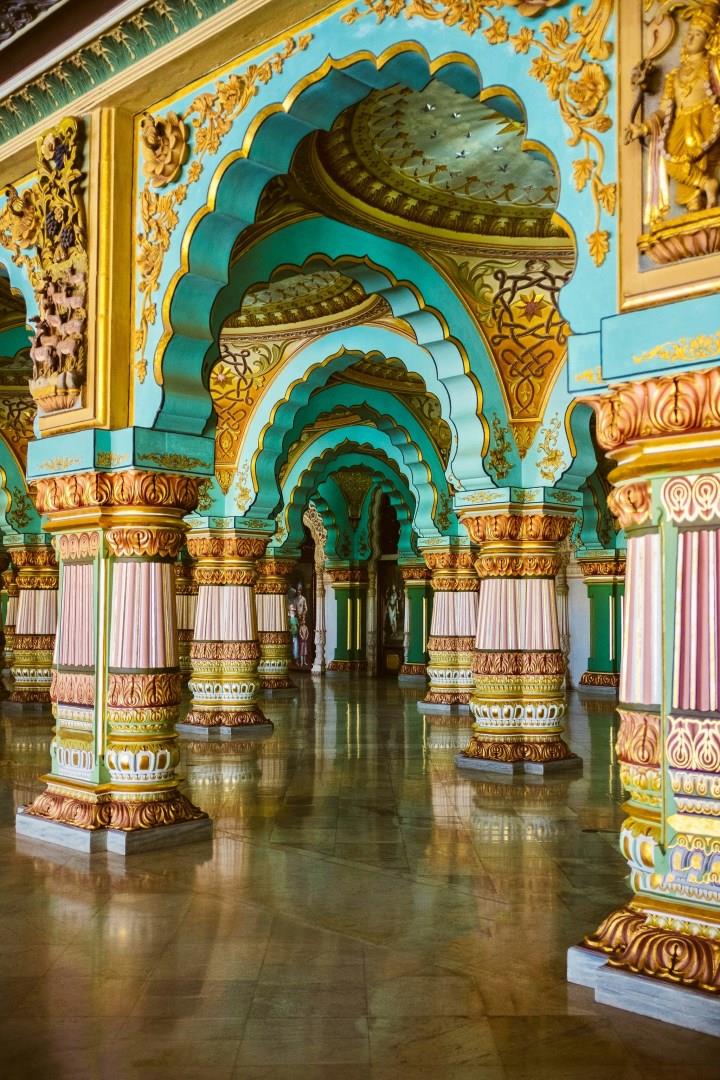
Mysore
Mysore, often called the “Cultural Capital of Karnataka,” is a city where centuries-old royal heritage meets living tradition. Located at the foothills of the Chamundi Hills, it is best known for its palaces, wide boulevards, and colorful festivals. Once the seat of the Wadiyar dynasty, Mysore still carries an unmistakable royal influence that can be seen in its architecture, markets, and cultural celebrations.
